Older adult mobility and balance class: move with confidence
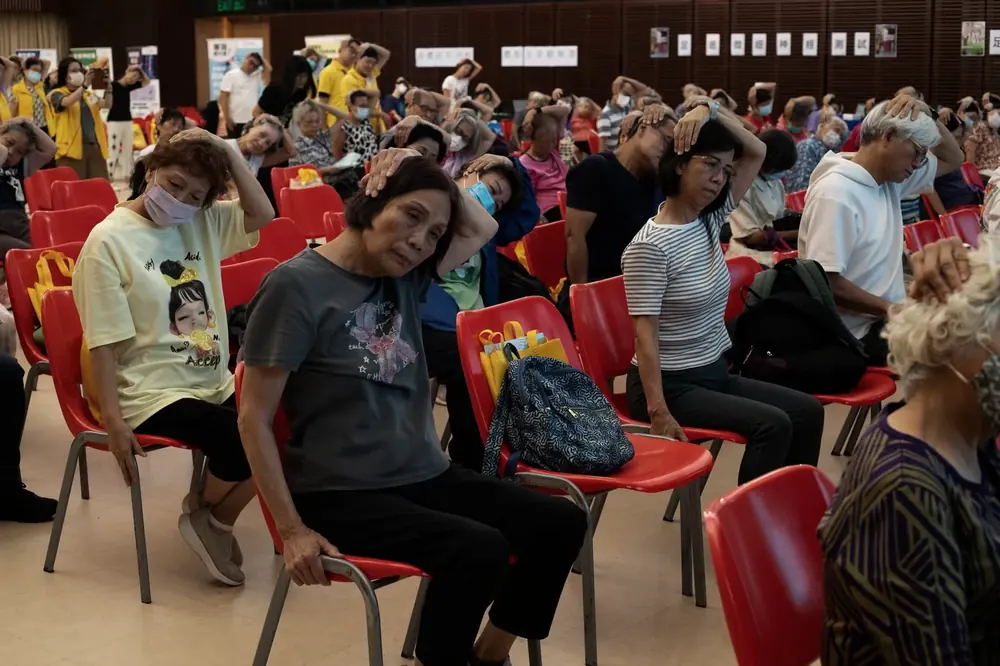
Seated exercise during a previous community activity.
Walking to meet friends, stepping onto a bus and getting up from the sofa all ask something different of your body. Keeping mobile helps you keep doing what matters to you. This class brings together joint movement, leg strength, balance and walking practice, with everyday goals and a starting point that suits your ability.
On this page
Class times, venue and prices
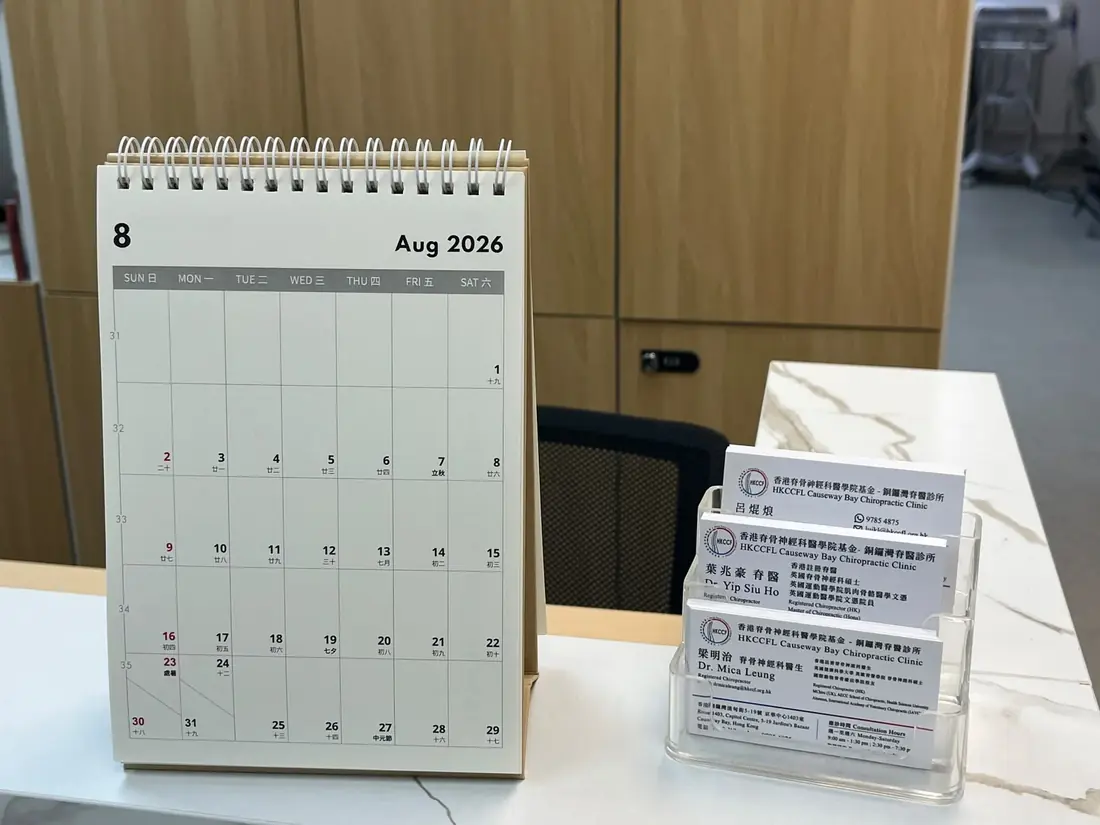
When: Tuesdays and Fridays, 12:00 noon to 1:00 pm. Each lesson lasts 60 minutes. Contact the clinic to book and confirm availability for your chosen date.
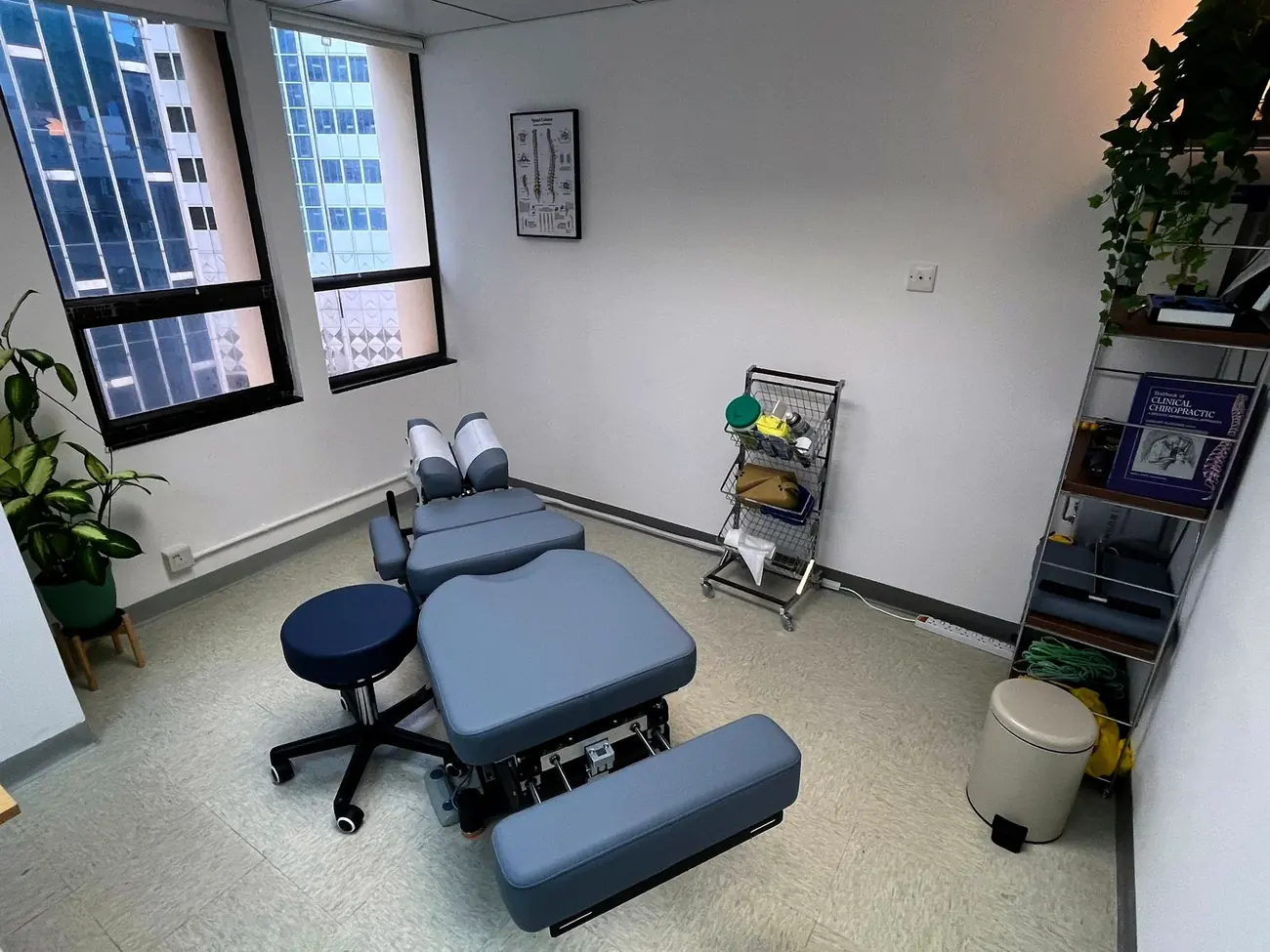
Where: Causeway Bay Chiropractic Clinic, Rooms 1403-04, Capitol Centre, 5-19 Jardine’s Bazaar, Causeway Bay, Hong Kong.
Instructor and group size: Dr Mica Leung, with a maximum of 8 participants per class to allow movement guidance and adjustments to ability.
Single lesson: HK$300 per person.
10-lesson package: HK$2,000 per person, equivalent to HK$200 per lesson.
Two-person offer: Enrol together for HK$1,500 per person for 10 lessons each, equivalent to HK$150 per person per lesson. The total for both people is HK$3,000.
Practise the movements that make everyday life easier
Getting up from a chair, turning while walking and stepping over a threshold call on leg strength, joint movement and balance reactions together. Walking and stretching alone may leave some of these needs unmet. Suitable exercises provide a safe, manageable challenge that builds towards these activities.[3]
Choose one goal that matters to you, such as walking home after shopping, managing your stairs or taking a grandchild to the park. A clear goal makes progress easier to recognise.
What will we practise?
Joint movement and warm-up: comfortable shoulder, hip and ankle movements, with gentle stepping to prepare for exercise.
Standing up and leg strength: sit-to-stand practice, heel raises or simple resistance exercises matched to ability. A higher chair or armrests can provide support while you build strength for getting up and using stairs.
Balance and stepping: weight shifts, steps in different directions and turns beside a stable support. Support, step length and speed can be adjusted to provide a useful challenge safely.
Walking and daily activities: manageable bouts of walking or marching, with rest as needed. Practice connects to going out, turning and stepping over thresholds, with guidance on suitable exercises to continue at home.
Can I join if I rarely exercise or have knee pain?
You do not need to get fit before asking about starting. The class may suit older adults who exercise little, find standing up harder or want to maintain their ability to go out. Seated exercise can be a starting point. People who can stand safely may progress to standing and stepping practice.
For knee pain, chair height, knee bend, resistance and repetitions can be adjusted. Check how you feel that day and the next. Increasing pain, swelling or a clear limp calls for assessment before deciding how to continue.
Tell us before joining if you have recently fallen, feel dizzy on standing, are unsteady, or have osteoporosis, recent surgery or a heart or lung condition. Repeated falls or needing another person’s help to walk may mean an individual assessment is the better first step, followed by a suitable class or other rehabilitation service.[3]
Understand what is difficult before choosing the exercise
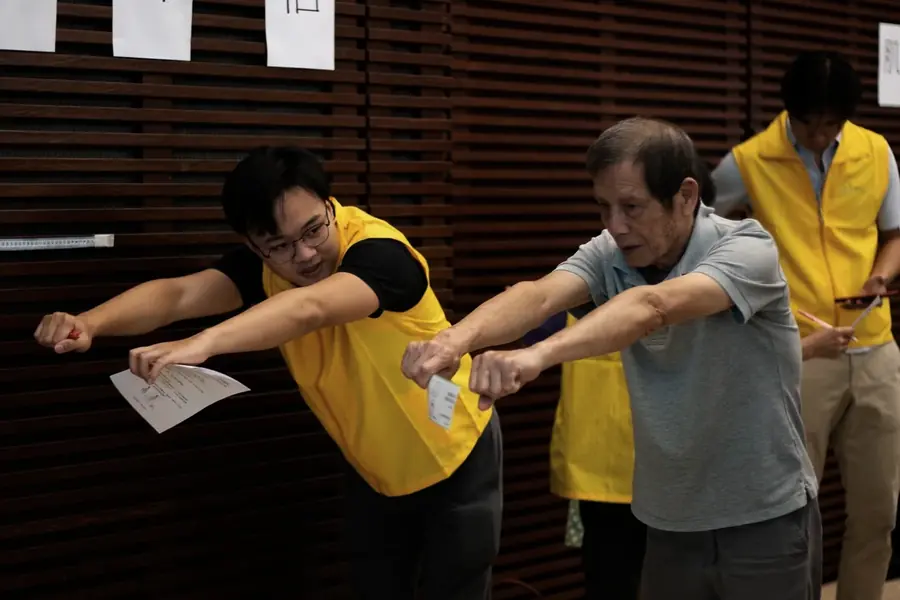
I start by asking what you would like to do more easily. Is it getting up from a low sofa, walking on a slope or feeling less worried outdoors? Depending on your needs, assessment may look at walking, turning, sitting and standing, leg strength and joint movement. Pain, falls, dizziness and walking aids also matter.
Slow walking can reflect knee pain, reduced strength or problems involving balance, vision or medicines. These differences help determine your starting point and whether a family doctor, physiotherapist or another professional should be involved. Where appropriate, manual care may help an individual musculoskeletal pain problem. Suitable exercise remains central to falls prevention.[3]
Healthy ageing starts with everyday independence
Our focus is mobility and quality of life as you grow older. Regular activity supports healthy ageing, but a class cannot promise a longer life or a fixed timetable for improvement.[1]
A Cochrane review of randomised studies in older people living in the community found that exercise reduced falls compared with control arrangements. Evidence was clearer for balance and functional exercise. This supports continued, progressive practice. It does not establish results for this class or guarantee that an individual will not fall.[2]
WHO recommends varied activity that combines balance and strength on at least three days a week for older adults, building up according to ability. A class can help you learn how to practise. Activity at home and outdoors matters too.[1]
How can I keep practising at home?
Start with an exercise you have learnt and can perform safely. This might be guided sit-to-stand practice using a stable chair against a wall, or short walks with breaks. Begin with a manageable amount. Once movement is steady and recovery is comfortable, increase one part of the challenge at a time.
Practise balance beside a stable support, with someone present if needed. If you are unsteady, do not try unsupported single-leg standing or eyes-closed exercises on your own. Wear well-fitting shoes with grip, keep the floor dry and remove trip hazards.[3]
Notice whether standing up feels easier or a familiar walk takes less effort. Record any increase in pain, fatigue or unsteadiness that day or the next. These everyday changes help guide exercise more usefully than competing over step counts or repetitions.
Before you take part
What should I bring? Wear clothes you can move in and well-fitting shoes with grip. Bring water and your usual walking aid. Tell us when enquiring if you need a family member to accompany you.
I already walk daily. Do I need balance practice too? Walking helps you stay active, while standing up, turning and stepping need specific practice. Combine walking, strength and balance activities according to your ability.[3]
Can I enrol with a friend? Yes. The two-person offer is HK$1,500 per person for 10 lessons each, with a total of HK$3,000 for both. When booking, provide both names and your preferred dates so the clinic can confirm availability.
When to seek medical help first
Stop exercising and call 999 for chest pain, fainting, sudden severe breathlessness or sudden facial droop, speech difficulty or weakness on one side. Seek urgent medical help after a fall if you cannot bear weight or a hip, head or neck injury is suspected. Do not push through the activity.
New or recurring dizziness and repeated recent falls need professional assessment before deciding how to take part.[3]
References
- WHO. Physical activity. Recommendations and benefits for older adults.
- Sherrington C et al. Exercise for preventing falls in older people living in the community. Cochrane Database of Systematic Reviews. 2019. CD012424.
- Montero-Odasso M et al. World guidelines for falls prevention and management for older adults. Age and Ageing. 2022;51:afac205.
This article provides general health information and does not replace an individual clinical assessment.