Weak legs and unsteady walking in older adults: what could help?
Your next step: choose an everyday goal, such as getting up from a chair or walking outside with confidence. We can assess pain, strength and balance, adapt exercises to your ability and involve family or other clinicians where useful.
When getting up, walking or balancing becomes harder with age, assessment can identify the main difficulties and guide strength, balance and everyday activity training. Joint pain, medical conditions, medicines and falls risk also matter, with other healthcare input when needed. Reference 1
Four key points
- Age alone does not explain a new loss of mobility.
- Ask what makes standing or walking difficult.
- Strength, balance and other health problems may need different care.
- Sudden weakness, serious injury or rapid decline needs medical attention.
On this page
1. What musculoskeletal and mobility concerns are common?
Joint pain, strength and balance changes
Joint pain, reduced strength and less activity can affect one another. Difficulty standing may involve knee or hip pain, muscle weakness, the chair height or another health problem. Age alone cannot diagnose sarcopenia.
Bone health, illness and medicines
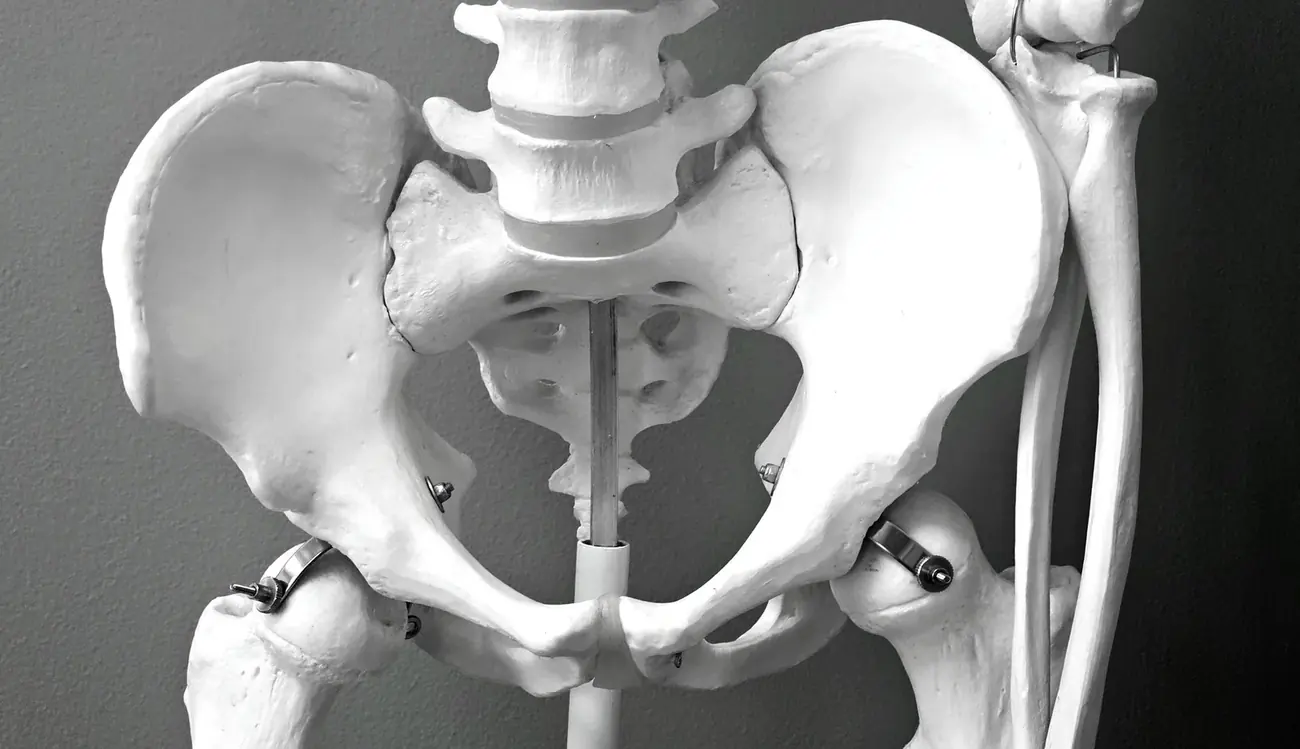
Osteoporosis and joint degeneration are different conditions. Heart, nerve and eyesight problems, as well as medicines, can also affect walking. Bring health and medicine details to the assessment. Unsteadiness should not automatically be blamed on the spine or posture.
2. Why use shopping, rising and stairs as goals?
Everyday tasks help show what support is needed. Where does a walk have to stop? Is a handrail needed? Can the person use transport safely? Ask which activities they most want to keep doing.
The older person should help choose the goals. Family members can share observations without taking over every decision. Clear written advice, demonstrations or suitable support may help if hearing, communication or memory is difficult.
3. Are slower walking, weakness and dizziness all muscle problems?
No. Pain, weakness, poor balance, breathlessness and dizziness can have different causes. Feeling faint on standing, blacking out or having chest discomfort during activity needs medical assessment. Leg exercises alone are not enough.
Osteoporosis is often painless before a fracture, so absence of pain does not establish low fracture risk. Conversely, sudden back pain or hip pain after a fall, especially with osteoporosis risk, needs assessment for fracture. (Reference 5)
4. How can activity begin safely?
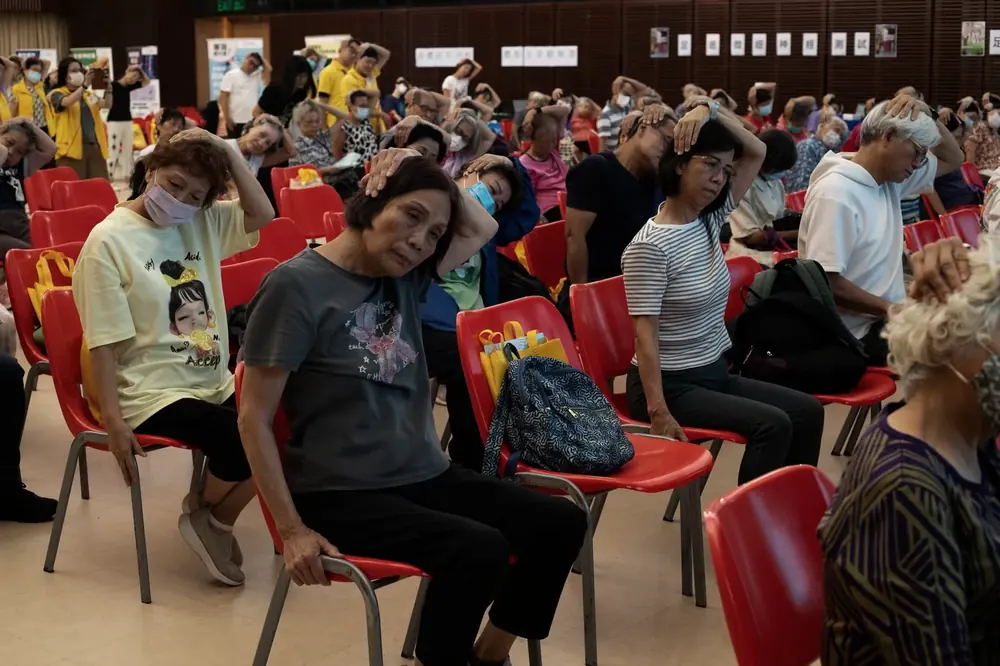
Start with something safe and manageable. Activity can include household tasks or a short trip outside, not just an exercise class. Walking is useful, but strength and balance may need separate attention. Discuss which activities fit the person’s needs. Reference 8
Previous falls, marked unsteadiness or important health problems may mean assessment and supervision are needed first. Do not try difficult balance tasks alone, such as standing on one leg or closing the eyes. A manageable routine is more useful than one exhausting session.
5. Which changes need emergency or timely medical care?
Seek emergency help after a fall with suspected head, neck, back or hip injury, inability to get up or inability to bear weight. Do not force the person upright. Sudden facial droop, speech difficulty or one-sided weakness also needs immediate emergency help. (Reference 6. Reference 7)
New confusion, fever with significant illness, repeated falls or rapid decline in everyday ability needs prompt medical assessment. Unexplained weight loss or persistent night pain should not simply be labelled normal ageing.
6. What assessment or test may help?
Assessment may consider history, falls, medicines, activity goals, walking, strength, balance and joint findings. A doctor, physiotherapist, occupational therapist, dietitian or other professionals may be needed according to the problem.
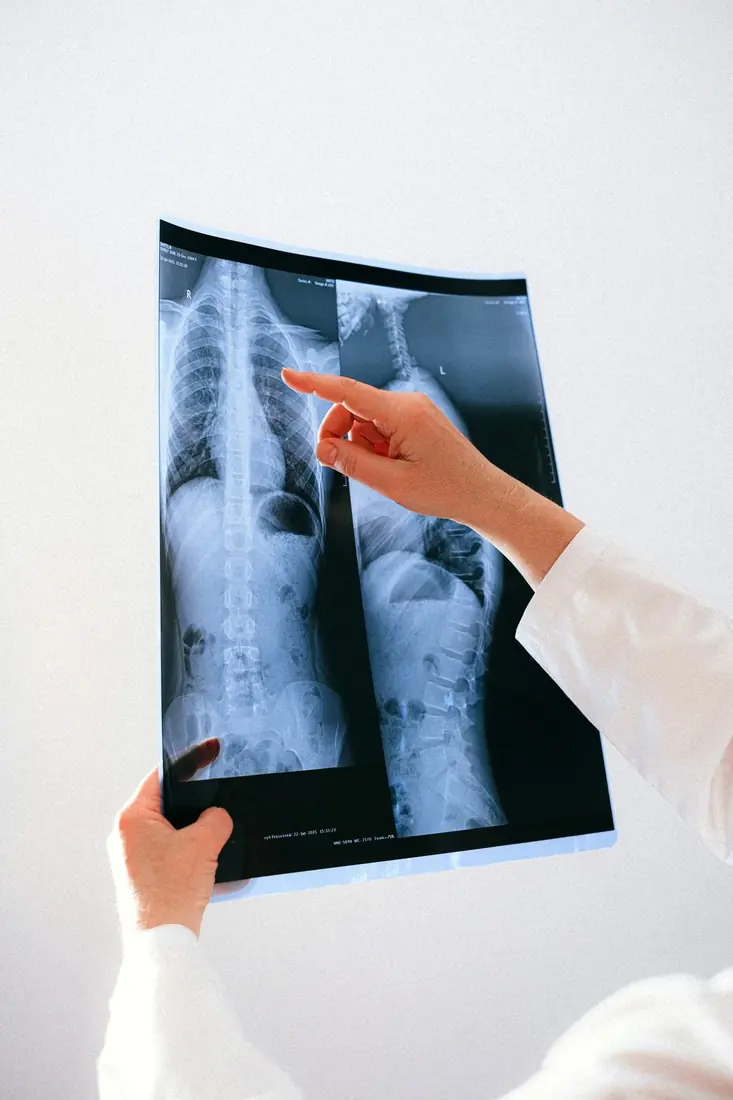
Bone density, blood, cardiovascular or imaging tests should answer a specific question about the symptoms rather than form one package for everyone. Fracture risk cannot be inferred from one posture or balance test alone.
When standing is difficult, ask whether the knees or hips hurt, or whether the legs feel weak even without pain. During walking, ask what makes the person stop. Is it pain, weakness, dizziness or breathlessness? These details help decide whether joint rehabilitation or medical assessment should come first.
7. What management options are available?
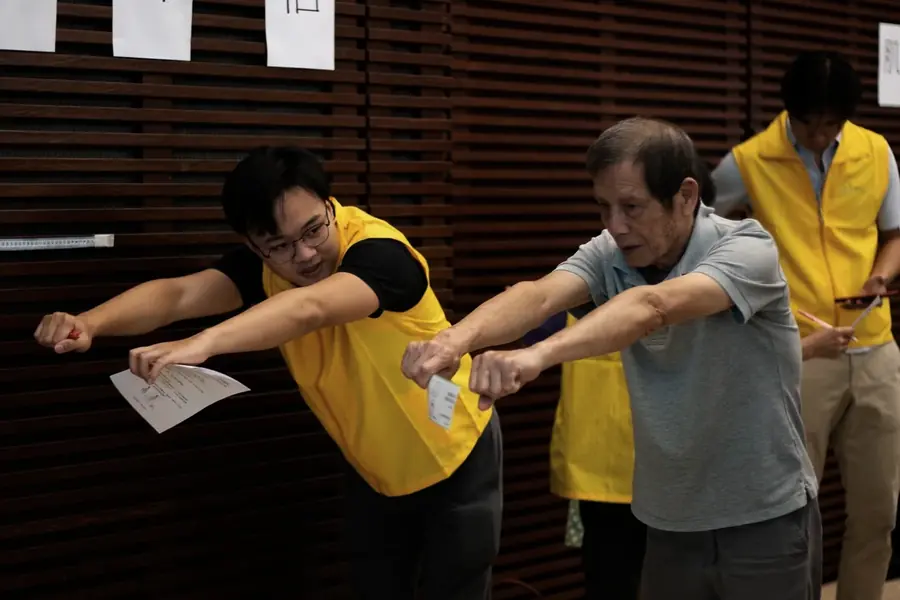
Rehabilitation can gradually include strength, balance, daily tasks and aerobic activity, with help for pain where needed. Poor appetite, unintentional weight loss, medicines and bone health may need other professional input. Adapt exercises to the person rather than treating a demonstration as a fixed prescription. Reference 4
Falls prevention often needs attention to the environment, vision, footwear and medicines. Manual treatment alone should not be promised to prevent falls. If considered, assess fracture, osteoporosis, health and medication risks and discuss suitable approaches and alternatives. (Reference 3)
The 2022 SPRINTT randomised trial in The BMJ enrolled 1,519 community-dwelling adults aged 70 or over with physical frailty and sarcopenia who could still walk 400 metres independently. It compared a multicomponent activity and nutrition programme with healthy-ageing education. (Reference 9)
The group that started with poorer physical performance had fewer later episodes of mobility disability. The better-performing group did not show the same clear benefit. This supports assessing needs before choosing a programme. It does not mean everyone who walks slowly has sarcopenia, or that manual therapy alone provides the benefit. Reference 9
8. What can a clinic assessment contribute?
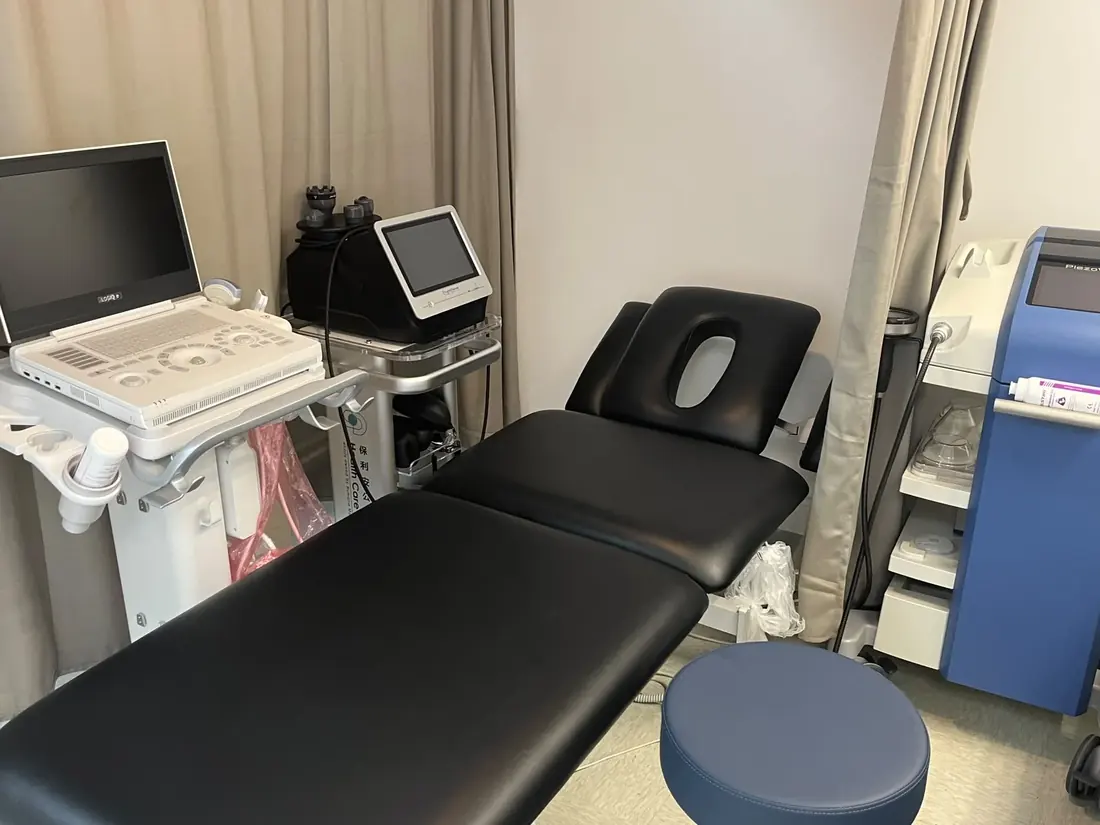
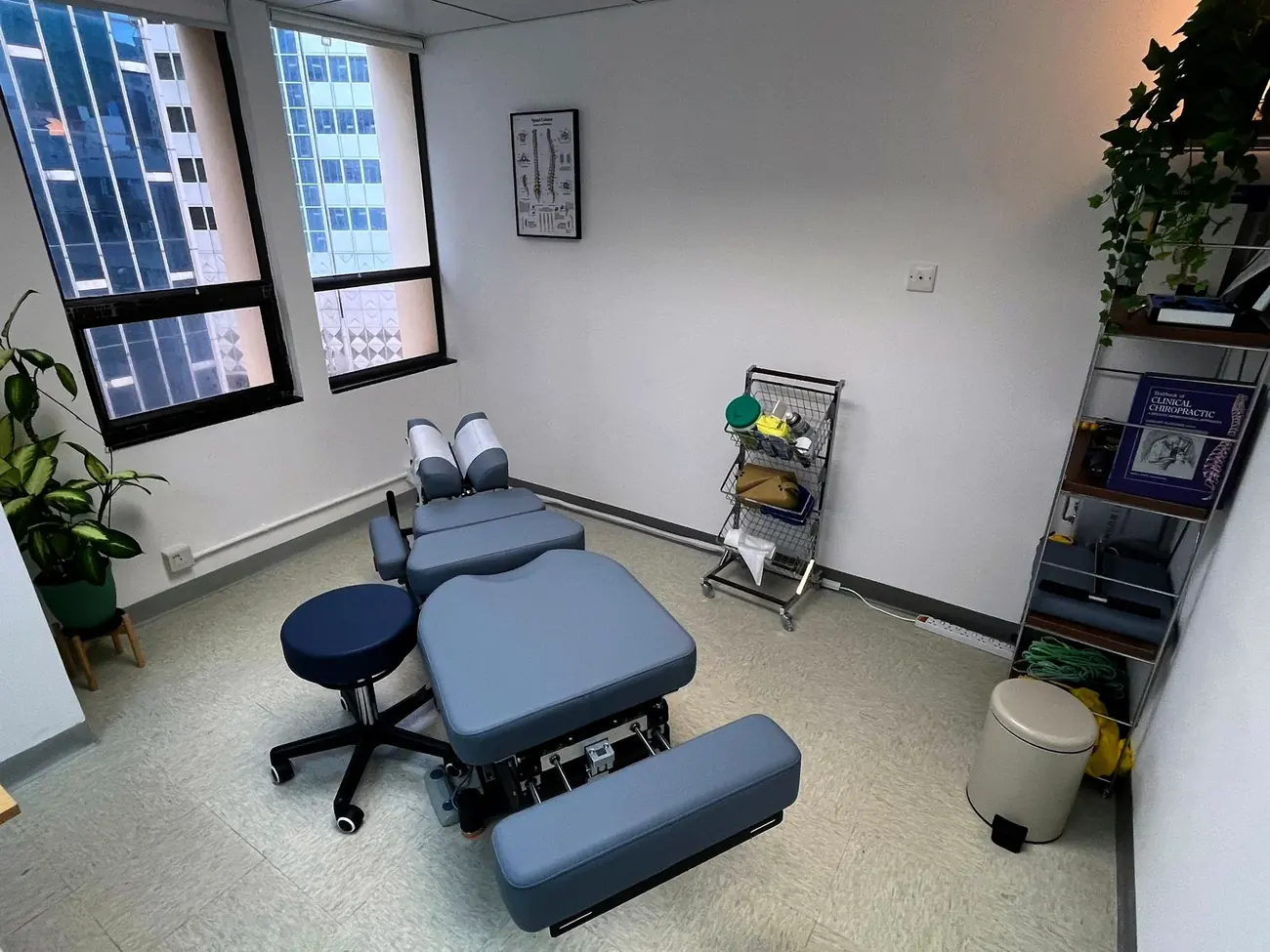
A musculoskeletal assessment can look at joint pain, movement and suitable exercise goals. It can also identify concerns that need medical care first. Bring medicines, reports and relevant health details. A caregiver can join with the older person’s agreement.
Review the tasks that matter, the help needed and safety. Some health problems require several professionals to work together. A clinic appointment is not automatically a full geriatric or specialist falls assessment.
For example, an older adult may want to walk independently to a nearby restaurant. Assessment can consider the distance, stairs, rest stops and assistance currently needed. Reviewing that same activity later shows whether care helps in everyday life, beyond temporary comfort after a treatment.
9. Frequently asked questions
Q1: Are pain and falls inevitable with age?
No. Problems deserve assessment rather than automatic dismissal as normal ageing.
Q2: Is a daily walk enough?
Walking is valuable but may not cover strength, balance and individual functional needs.
Q3: Can balance be ignored if I have never fallen?
No. Unsteadiness, fear of falling or declining activity still warrants discussion.
Q4: Is osteoporosis always painful?
Often not. Osteoporosis may cause no symptoms before a fracture. A doctor can advise about testing based on risk.
Q5: Can I stop a medicine that seems to cause dizziness?
Do not stop it yourself. Ask a doctor or pharmacist to review it.
Q6: Is staying home best if I fear falling?
Not necessarily. Safer surroundings, suitable help and graded activity may be preferable to long-term avoidance alone.
Q7: Is spinal manipulation suitable for every older adult?
No. Health conditions, bone health, medicines, risks and preferences need assessment first.
Q8: How can caregivers help?
Record function and falls, assist with appointments and safety, and respect the person's goals. Seek timely help for sudden changes.
Seven further-reading articles
References
- World Health Organization. Ageing and health, 2025.
- World Health Organization. Physical activity, 2024.
- Hong Kong Department of Health, Elderly Health Service. Fall Prevention.
- Hong Kong Department of Health, Elderly Health Service. Physiotherapy Series: 8 Forms of Strengthening Exercise.
- NHS. Osteoporosis.
- NHS. Falls.
- NHS. Stroke.
- Hong Kong Department of Health, Elderly Health Service. Tips about Planning Physical Activities Programme for the Elderly.
- Bernabei R, et al. Multicomponent intervention to prevent mobility disability in frail older adults: randomised controlled trial (SPRINTT project). BMJ. 2022;377:e068788.
Written by: Dr Mica Leung (Hong Kong Registered Chiropractor, Registration No. 436)
This article provides general health information and does not replace an individual clinical assessment.