Does knee pain mean cartilage wear? Causes, relief and treatment
Your next step: choose a manageable walking or chair-rise task and notice how the knee responds. At the clinic, we can assess swelling, movement and leg strength, teach suitable exercises and agree how to build towards stairs, work or sport.
If knee pain makes stairs, getting up or walking difficult, those everyday movements are a useful place to start. Checking pain, swelling, movement and leg strength helps guide rehabilitation and decide whether imaging or referral is needed.
Four key points
On this page
1. What commonly causes knee pain?
Patellofemoral and tendon-related problems
Patellofemoral pain is generally felt around or behind the kneecap and may be provoked by squatting or stairs. Tendon pain below the kneecap may relate to running and jumping demands, although location alone does not establish a diagnosis. (Reference 3)
Osteoarthritis, meniscus and ligament problems
Osteoarthritis can cause pain, stiffness and difficulty with activity. After a twisting injury, a meniscus, ligament or other tissue injury may need consideration. A suddenly hot, swollen, painful knee may involve infection or crystal arthritis and should not simply be labelled overuse. (Reference 2)
2. Does pain on stairs or squatting mean cartilage damage?
Not necessarily. Stairs and squats ask the knee to do more than level walking, so they can bring on pain in a sensitive knee. Note when pain starts, whether swelling appears and how you feel later that day or the next day.
Practical adjustments may include fewer consecutive flights, using a handrail or changing squat depth, followed by gradual restoration as you feel able. These are temporary options, rather than permanent bans on stairs or squatting.
Pain around the kneecap, repeated swelling and a knee that will not straighten after a twist raise different concerns. The clinician needs to consider the history and examination together before recommending treatment or tests.
3. How do pain, meniscus problems and joint sounds differ?
Painless clicking is different from a knee that locks, will not straighten or keeps swelling after injury. A meniscus finding on a scan needs to fit the history and symptoms. A click alone does not diagnose a tear.
A knee that is locked and cannot straighten, or inability to bear weight after injury, needs prompt medical attention. Do not forcefully twist it to unlock it. Meniscus treatment depends on the symptoms and the characteristics of the tear. (Reference 4)
4. How can symptoms be managed without warning signs?
Ease back on activities that clearly make symptoms worse, while keeping up movement you can manage. Neither stopping everything nor forcing the usual training schedule is right for everyone. A brief cold pack may help with comfort. Protect the skin, and ask for advice first if sensation or circulation is reduced.
Track a meaningful task, such as whether rising from a chair becomes easier. Reassess increasing symptoms, swelling or declining weight-bearing ability. Medication choices depend on health history and other medicines and can be discussed with a doctor or pharmacist.
5. Which symptoms need emergency or same-day assessment?
Go to an emergency department after major trauma with deformity or an open injury, or if the foot suddenly becomes cold, pale or has altered sensation. Sudden severe pain with a hot swollen knee needs same-day urgent medical assessment, particularly with fever or feeling unwell. Absence of fever does not exclude infection. (Reference 5)
Inability to bear weight after injury, rapid swelling or true locking also warrants prompt medical assessment. Persistent night pain, unexplained weight loss or prolonged morning stiffness should be discussed with a doctor rather than managed with massage alone.
6. Do you need an X-ray or MRI?
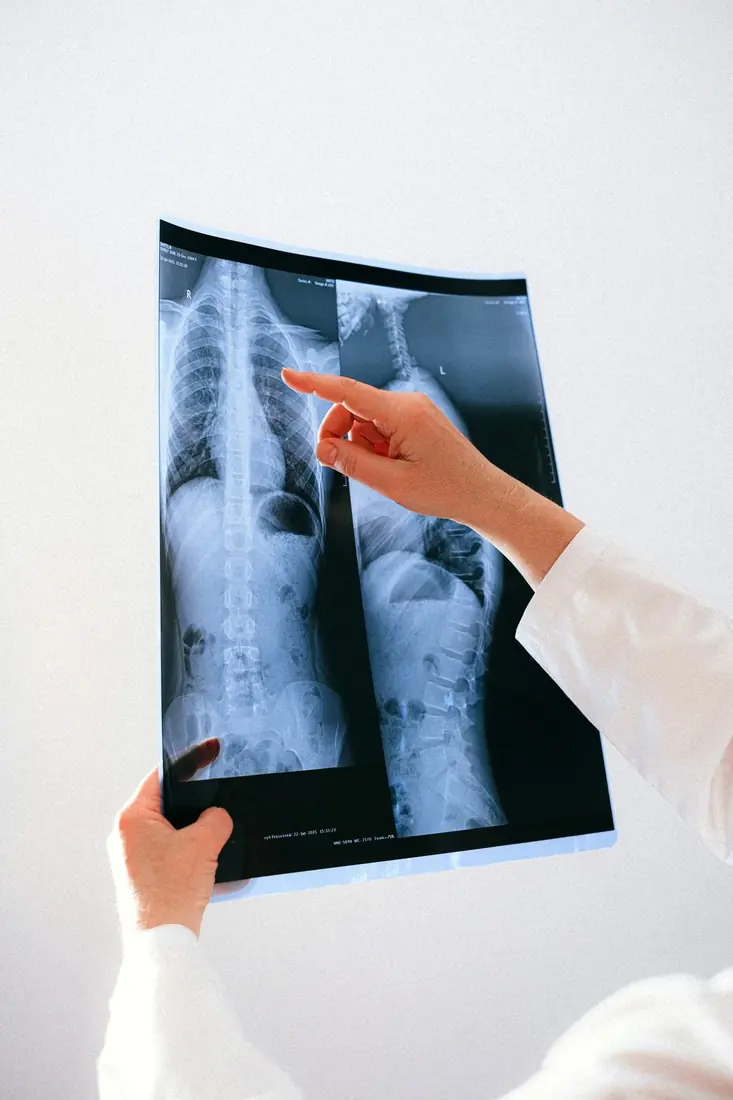
X-rays show bones and joint spaces. MRI shows more detail about soft tissues, but it is not the first step for every painful knee. Typical osteoarthritis can often be diagnosed from symptoms and an examination. An injury, unusual findings or a result that could change treatment may make imaging useful.
Before a test, ask what it is intended to rule out and how the result would change treatment. Routine imaging is generally not recommended to diagnose typical osteoarthritis. (Reference 1)
7. What treatment options are available?
Care should fit the diagnosis and what you want to do. It may include advice, activity changes and gradual exercise for thigh, hip and calf strength. Walking or other aerobic activity can be built up where appropriate. If weight management is relevant to osteoarthritis, discuss a realistic approach that supports your health.
Manual therapy may help some people alongside other care. It should not be described as regrowing cartilage. If suitable treatment without surgery has not helped enough, or is not appropriate, an orthopaedic review may be worth discussing. Consider walking, sleep and quality of life as well as pain.
Exercise is a core treatment for knee osteoarthritis. NICE recommends strengthening and aerobic exercise tailored to your needs, with professional guidance where appropriate. (Reference 1) A 2024 Cochrane review also found that exercise can improve pain and everyday movement in the short term. The review did not establish whether the average improvement would be noticeable to patients. Track a task that matters to you, such as walking or rising from a chair, so care can be adjusted to your response. (Reference 6)
Rehabilitation should adjust exercises to your current pain and movement, then track whether walking, getting up and using stairs become easier. Pain or swelling that keeps increasing, or growing difficulty with everyday activities, calls for reassessment.
8. How would the clinic assess knee pain?
The chiropractor will ask about injuries, swelling, previous surgery, health conditions and medicines. Examination may include movement, strength, walking and how the knee handles weight. The hip or lower back may also need checking. No single test answers every question.
Where conservative musculoskeletal care is appropriate, rehabilitation and self-management can be discussed. Suspected infection, fracture, significant injury or non-musculoskeletal problems require appropriate medical referral first.
Your leg muscles work when you go both up and down stairs. Coming down also means keeping your body steady as you step onto the next stair. An assessment can identify which movement hurts and check knee movement and leg strength where needed. If an exercise makes pain noticeably worse, the movement or amount of practice can be adjusted before gradually increasing it. At follow-up, you can compare how stairs feel and whether you still need the handrail, alongside changes in pain.
9. Frequently asked questions
Q1: Does clicking always mean wear?
No. Painless clicking alone does not establish wear. New painful locking, swelling or difficulty moving needs closer attention.
Q2: Does degeneration mean I must stop exercising?
Usually not. Choose an appropriate activity and starting point, then progress according to your response.
Q3: Can I run?
It depends on the condition and ability to manage the activity. Unassessed injury, swelling or instability needs attention first.
Q4: Does everyone need a knee support?
No. It should have a clear purpose and improve function rather than replace rehabilitation.
Q5: Is stretching better than strengthening?
It depends on what is difficult. Limited movement and reduced strength need different exercises, and some people benefit from both.
Q6: Does a meniscus tear always need surgery?
Not necessarily. Injury type, locking, persistent symptoms and personal goals influence the decision.
Q7: How long will recovery take?
It varies with the condition and function. Agree measurable goals and a review point rather than a guaranteed deadline.
Q8: When should I book an assessment?
Book an assessment for ongoing pain, repeated swelling or difficulty walking or working. Seek medical care first for warning signs.
References
- NICE. Osteoarthritis in over 16s: diagnosis and management (NG226), 2022.
- NHS. Knee pain.
- American Academy of Orthopaedic Surgeons. Patellofemoral Pain Syndrome.
- American Academy of Orthopaedic Surgeons. Meniscus Tears.
- NHS. Septic arthritis.
- Lawford BJ, et al. Exercise for osteoarthritis of the knee. Cochrane Database Syst Rev. 2024;CD004376.
Written by: Dr Mica Leung (Hong Kong Registered Chiropractor, Registration No. 436) · Dr Lui Kwan Long (Hong Kong Registered Chiropractor, Registration No. 449) · Dr Yip Siu Ho (Hong Kong Registered Chiropractor, Registration No. 441)
This article provides general health information and does not replace an individual clinical assessment.