Sudden low back pain: what to do and how long recovery may take
After sudden back pain, first check for warning signs, then plan comfortable movement and a gradual return to daily activity. Pain, movement and nerve checks help guide work and exercise changes rather than automatically relying on prolonged bed rest.
On this page
What does putting your back out mean?
Putting your back out is not a formal diagnosis. It describes sudden acute low back pain.
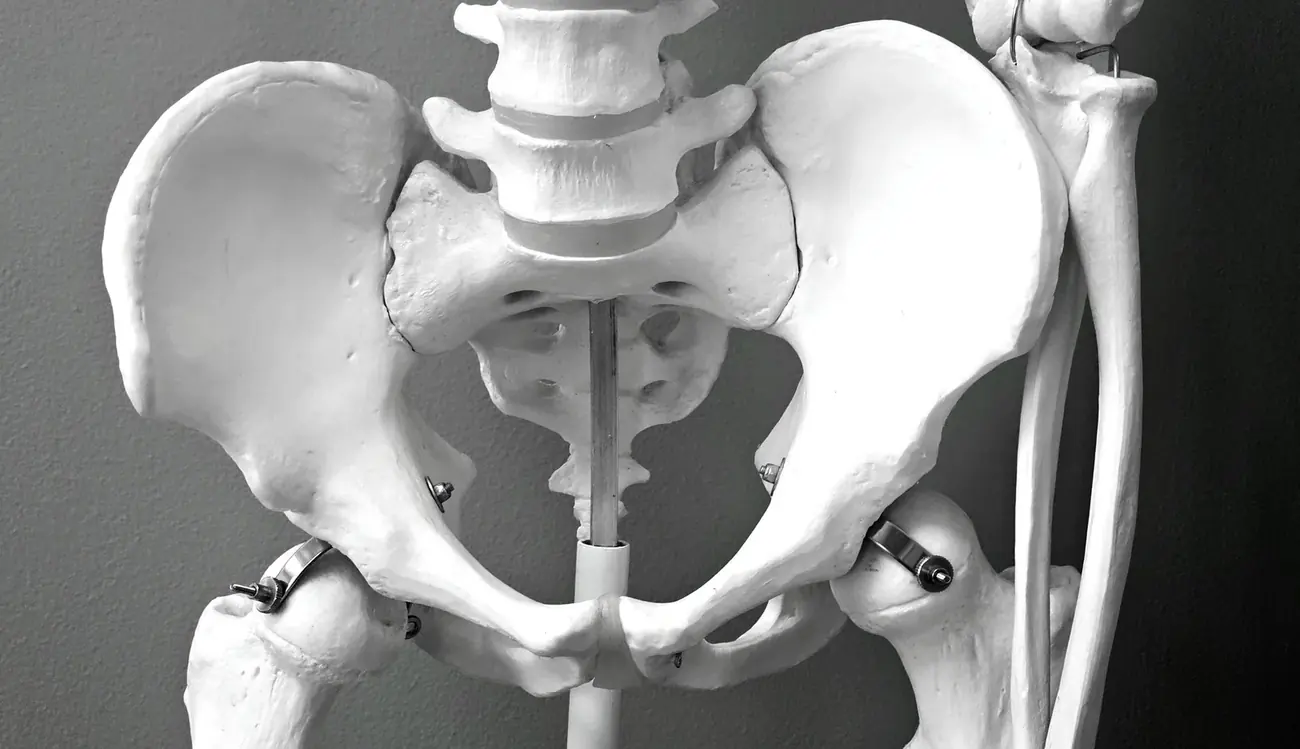
The lumbar region contains discs, joints, ligaments, muscles and nerves. Sudden pain can involve a response to musculoskeletal loading, a disc-related problem or another lumbar condition.
A common clinical finding is marked muscle tension after pain starts, sometimes making it difficult to straighten the back naturally.
This may involve protective muscle spasm. When the nervous system detects pain or a potential threat, activity in nearby muscles may increase and temporarily restrict movement.
Muscle tension does not necessarily mean that a muscle has torn. Difficulty straightening up also does not establish that a vertebra is displaced.
Why can a small bend cause severe pain?
Patients often wonder why picking up a light object could trigger such sudden pain.
Back pain may be influenced by recent activity loads, previous pain experiences, sleep, fatigue and other factors. Some people have already had a period of increased demand, such as repeated lifting, long working hours or a sudden increase in exercise.
The final bending movement may not be the sole cause of the problem.
Acute pain can also increase sensitivity to particular movements. The back may feel stiff, movement may become frightening and the person may feel that the spine is fragile.
Nevertheless, pain does not necessarily mean that movement is causing further injury.
How long does acute low back pain usually take to improve?
Acute low back pain generally refers to symptoms lasting less than six weeks.
For most people without serious underlying disease, pain and activity limitations gradually improve over the first few days to weeks. Some need longer to return to their previous activity level.
A systematic review published in the British Medical Journal found that pain and disability in acute low back pain usually improved substantially during the first month, with further improvement possible afterwards.
However, not everyone becomes completely symptom-free within six weeks, and some experience another episode later.
Recovery should therefore be judged by walking, bending, working and returning to daily activities, as well as by pain intensity.
What should you do after sudden back pain?
1. Avoid prolonged bed rest
Some people spend the whole day in bed, believing that the spine must stop moving completely to repair itself.
Current clinical guidance generally does not recommend prolonged bed rest for acute low back pain without red flags.
Within a tolerable range, short walks, changes of position and basic daily activities are generally more appropriate than stopping all movement.
2. Heat may provide short-term relief
Moderate warmth may ease pain and stiffness for some people.
Heat is a way of managing symptoms. Relief does not prove that a particular injured tissue has healed. Avoid excessive temperatures that could burn the skin.
3. Temporarily reduce activities that clearly aggravate symptoms
During the acute phase, you can adjust lifting demands, exercise intensity and workload rather than repeatedly performing tasks that clearly worsen symptoms.
This does not mean permanently avoiding bending, twisting or lifting. As symptoms settle, these movements should be reintroduced gradually.
Do you need an X-ray or MRI?
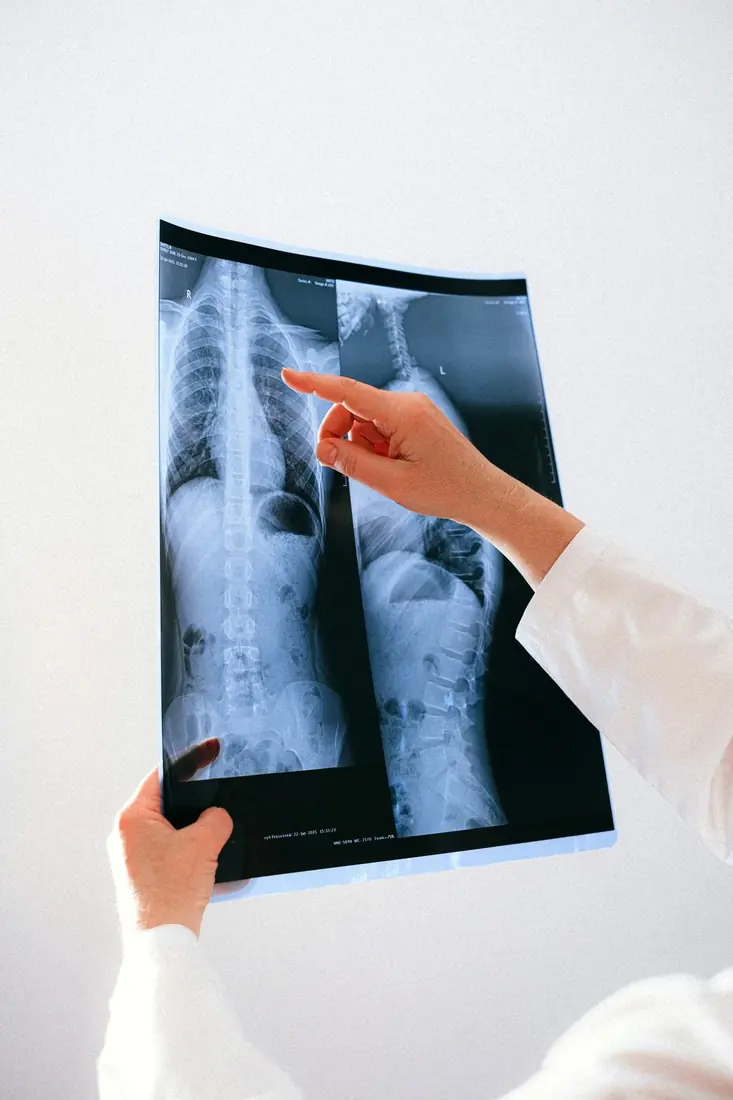
Not necessarily. Most people with acute low back pain and no red flags do not need immediate imaging.
However, serious trauma or suspected fracture, infection, tumour or severe nerve compression may require urgent medical assessment and appropriate imaging.
Be particularly alert to the following symptoms:
New difficulty passing urine, urinary retention, or changes in bladder or bowel control.
Reduced sensation around the perineum or anus.
Marked weakness in both legs or rapidly worsening neurological symptoms.
Severe low back pain after major trauma.
If these occur, attend an emergency department immediately rather than attempting stretches or spinal manipulation.
Fever, a history of cancer, unexplained weight loss or progressively worsening pain also warrant timely medical review.
Should you immediately stretch or try to put the back into place?
Some people try forceful twisting or stretching during an acute episode, hoping to pull the spine back into position.
However, sudden back pain does not necessarily involve displacement, and no single stretch is suitable for everyone.
Forceful stretching may worsen symptoms for some people. Manual therapy requires assessment of suitability and contraindications and usually needs to be combined with activity and exercise rehabilitation.
Overall, sudden back pain can be severe without indicating major spinal damage. Watch for red flags, stay active within a safe and tolerable range and increase loading as recovery allows. Persistent pain, repeated episodes or neurological symptoms need professional assessment rather than reliance on pain relief or rest alone.
References
Further reading on low back pain
← Back to the low back pain overview
Written by: Dr Mica Leung (Hong Kong Registered Chiropractor, Registration No. 436)
This article provides general health information and does not replace an individual clinical assessment.