Shoulder pain: common causes, symptoms and treatment options
If shoulder pain affects dressing, hair care, reaching up or side sleeping, those movements help focus the assessment. Checking movement, strength and injury history helps distinguish rotator cuff, frozen shoulder and neck-related problems and guide treatment and rehabilitation.
Four key points
On this page
1. What are the common causes of shoulder pain?
The shoulder includes the upper arm bone, shoulder blade and collarbone. The rotator cuff tendons, joint capsule, ligaments and bursae around it help provide movement and stability.
Because the shoulder has a large range of movement, several tissues can contribute to pain. Common or relevant possibilities include the following.
1. Rotator cuff tendinopathy
The rotator cuff consists of four muscles and their tendons: supraspinatus, infraspinatus, subscapularis and teres minor. They help move and stabilise the shoulder.
Rotator cuff tendinopathy is common in people who repeatedly raise their arms, such as those who play badminton, swim, play tennis, train in a gym or work overhead.
Symptoms may include:
- Pain on the outside of the shoulder when raising the arm
- Discomfort when lifting the arm out to the side
- Pain when lifting objects or getting dressed
- Pain when lying on the affected shoulder
- Reduced shoulder strength and tolerance of load
Some people are given a diagnosis of shoulder impingement syndrome. Terms such as rotator cuff-related shoulder pain or subacromial pain syndrome are also used. These avoid attributing all symptoms to bone pinching a tendon.
Pain in a rotator cuff tendon does not necessarily mean that it is torn.
2. Frozen shoulder
Frozen shoulder, also called adhesive capsulitis, involves inflammation, fibrosis and restricted movement of the shoulder joint capsule.
Alongside pain, the shoulder gradually becomes stiff. This is often noticeable when turning the arm outwards, reaching overhead or putting the hand behind the back.
Typical features include:
- Gradually increasing shoulder pain and stiffness
- Night pain that disturbs sleep
- Difficulty getting dressed, brushing hair or fastening a bra
- Difficulty moving the arm yourself, with restriction also present when an examiner assists
Frozen shoulder is more common in middle age. Diabetes and some thyroid conditions are also associated with a higher risk.
Frozen shoulder is not a general name for every kind of shoulder pain. Pain when raising an arm is not enough to establish the diagnosis.
3. Rotator cuff tear
A rotator cuff tear may follow a fall, lifting a heavy object or a sports injury. It may also develop with longer-term tendon degeneration.
Tears can involve part of the tendon thickness or its full thickness. Their extent varies.
Some people experience:
- Marked shoulder pain or weakness
- Difficulty lifting the arm or keeping it raised
- A clear loss of strength when carrying objects
- A sudden loss of some shoulder function after an injury
However, imaging may also show rotator cuff tears in people without shoulder pain. A tear on a scan does not prove that it is causing the pain or that surgery is necessary.
Sudden marked weakness or an inability to lift the arm after trauma needs early medical assessment to exclude a serious acute tear or fracture.
4. Calcific rotator cuff tendinopathy
Some people have calcium deposits within a rotator cuff tendon, often the supraspinatus tendon.
Calcific tendinopathy can remain symptom-free for a long time. At some stages it can cause a sudden episode of severe shoulder pain, making it difficult to raise the arm or sleep.
Features may include:
- Marked pain on the outside of the shoulder
- Pain that increases with arm movement
- Night pain
- A substantial loss of movement during an acute episode
X-rays and musculoskeletal ultrasound can help identify tendon calcification. Selected nonsurgical treatments, including focused shockwave therapy, may be considered when symptoms persist.
5. Long head of biceps tendon problems
The long head of the biceps tendon passes through the front of the shoulder and contributes to movement and stability.
Lifting, shoulder training or repeated use of the arm may bring on pain at the front of the shoulder.
However, front-of-shoulder pain can also involve the rotator cuff, joint or other structures. Tenderness at one location does not establish a biceps tendon diagnosis.
6. Acromioclavicular joint pain or shoulder osteoarthritis
The acromioclavicular joint connects the outer end of the collarbone to the shoulder blade.
Problems here may cause pain at the top of the shoulder, especially when moving the arm across the chest, lying on the shoulder or loading it.
Some middle-aged and older adults also develop glenohumeral osteoarthritis. This can cause persistent pain, stiffness and a reduced range of movement.
7. Shoulder pain referred from the neck
Not all shoulder pain starts in the shoulder joint.
Irritation of a cervical nerve root can cause pain from the neck into the shoulder and upper arm, sometimes reaching the forearm or fingers. Numbness, tingling or weakness may also occur.
When shoulder pain is accompanied by pain provoked by neck movement, hand numbness or changes in nerve function, the neck and nervous system should also be assessed. Treatment should not focus only on the shoulder muscles.
2. What can the location and symptoms tell us?
Where the pain is and which movements bring it on often provide more useful information than simply saying that the shoulder hurts.
| Shoulder symptoms | Common possibilities to consider |
|---|---|
| Pain when reaching overhead or lifting the arm sideways | Rotator cuff-related pain or a bursa problem |
| Pain at the front of the shoulder | Long head of biceps tendon, rotator cuff or joint problems |
| Pain at the top of the shoulder | Acromioclavicular joint problems |
| Pain or stiffness when reaching behind the back | Frozen shoulder, rotator cuff or other joint movement problems |
| Pain at night or when lying on the shoulder | Frozen shoulder, rotator cuff or bursa problems, or other causes |
| Pain and weakness after a fall | Fracture, rotator cuff tear, dislocation or another injury |
| Pain extending to the fingers with numbness | Cervical nerve root or peripheral nerve problems |
These patterns identify possibilities to consider. Symptoms or pain location alone cannot establish a diagnosis.
Why does raising the arm hurt?
Raising the arm requires the rotator cuff, deltoid, muscles around the shoulder blade and shoulder joint to work together.
When a rotator cuff tendon is sensitive to load, or another shoulder problem is present, some lifting angles can be painful.
Some people notice pain around shoulder height as they lift their arm. This is sometimes called a painful arc.
A painful arc is not specific to a rotator cuff tear. This finding alone cannot tell whether a tendon is damaged.
Why can shoulder pain be worse at night?
Night pain may relate to pressure from a sleeping position, inflammation, tissue sensitivity or other factors.
Both frozen shoulder and rotator cuff problems can cause night pain. The time of the pain alone cannot distinguish them.
Medical assessment is needed if night pain keeps worsening, has no clear relationship to activity, or occurs with fever, weight loss or other general symptoms.
3. How do frozen shoulder and rotator cuff tears differ?
Frozen shoulder and rotator cuff problems can both cause pain, difficulty raising the arm and night pain, so they are easily confused.
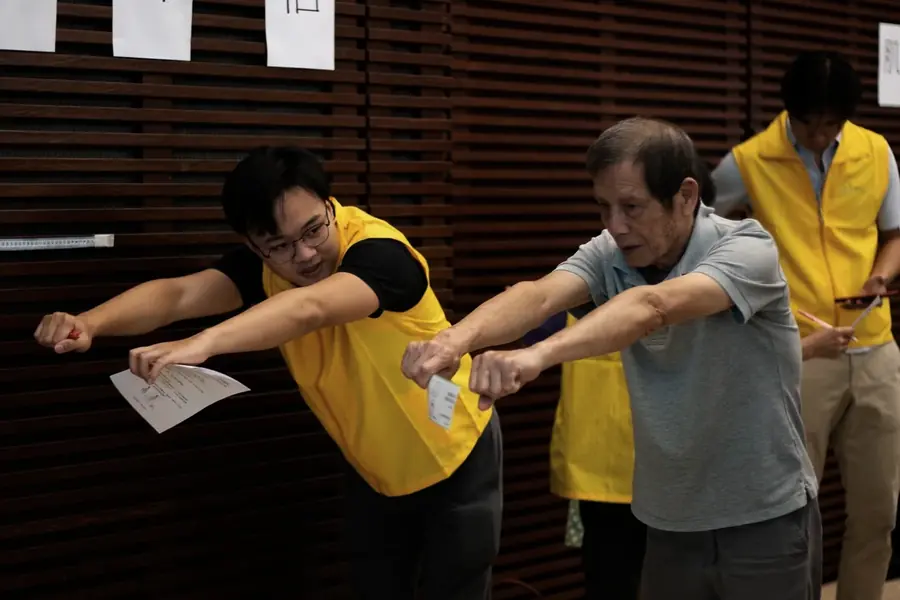
One useful part of the examination is comparing active range of motion with passive range of motion.
Frozen shoulder: movement is restricted both independently and with assistance
Frozen shoulder restricts the joint capsule. Certain movements are difficult to perform independently, and movement is usually also clearly restricted when an examiner assists.
Loss of external rotation is one finding that deserves attention.
Rotator cuff problems: assisted movement may be easier than lifting the arm yourself
Pain or weakness may make active lifting difficult in rotator cuff tendinopathy, while assisted movement may be relatively better.
A more substantial rotator cuff tear may cause marked weakness in particular movements.
However, rotator cuff problems can coexist with stiffness. Pain itself can also limit both active and passive movement. History, strength and other examination findings remain important.
| Feature | Frozen shoulder | Rotator cuff-related problems |
|---|---|---|
| Main problem | Capsular stiffness and restricted movement | Tendon pain, reduced tolerance of load or a tear |
| Active movement | Usually restricted | May be limited by pain or weakness |
| Passive movement | Usually clearly restricted | Often relatively preserved, but not always |
| External rotation | Often clearly restricted | May not be clearly restricted |
| Night pain | Common | Also common |
| Main assessment focus | Movement pattern and excluding other conditions | Strength, functional tests and imaging when needed |
4. How can shoulder pain be eased?
Early management should take account of the level of pain, injury mechanism, movement restriction and possible diagnosis.
1. Avoid stopping all movement
Unless a fracture, dislocation or another injury needing immobilisation is suspected, most people with shoulder pain and no warning signs do not need to stop using the shoulder completely for a prolonged period.
Keep daily movement within a manageable range while temporarily adapting movements that cause clear pain.
For example, reduce repeated overhead work, heavy shoulder presses or other particularly aggravating training for a short period.
2. Heat or cold packs
Heat or cold may be used for short-term comfort according to symptoms and personal preference.
Heat may ease stiffness for some people. Cold may make some acute pain more comfortable.
Use a suitable layer between the pack and your skin to prevent injury from excessive heat or cold.
3. Adjust sleeping positions
If lying on the affected shoulder is painful, try sleeping on your back or supporting the arm with a pillow to reduce prolonged direct pressure.
If you prefer side sleeping, try the unaffected side and rest the affected arm on a pillow in front of you.
4. Choose appropriate exercise rather than stretching indiscriminately
Rotator cuff-related shoulder pain usually calls for gradually progressed strength and loading exercises.
Frozen shoulder may need movement exercises adjusted to the amount of pain and stiffness.
The priorities are not identical.
During a particularly painful stage of frozen shoulder, do not repeatedly force stretches or push the arm into severe pain.
If exercise clearly worsens the pain, or movement is more restricted the next day, review the exercise choice and intensity.
5. Do you need an X-ray, ultrasound or MRI?
Not every person with shoulder pain needs immediate imaging.
When there is no trauma or warning sign and the presentation fits a common rotator cuff tendon problem, a detailed history and physical examination can usually come first.
Imaging may help clarify the diagnosis and treatment plan when a substantial structural injury, calcific tendinopathy or osteoarthritis is suspected, or when symptoms do not improve.
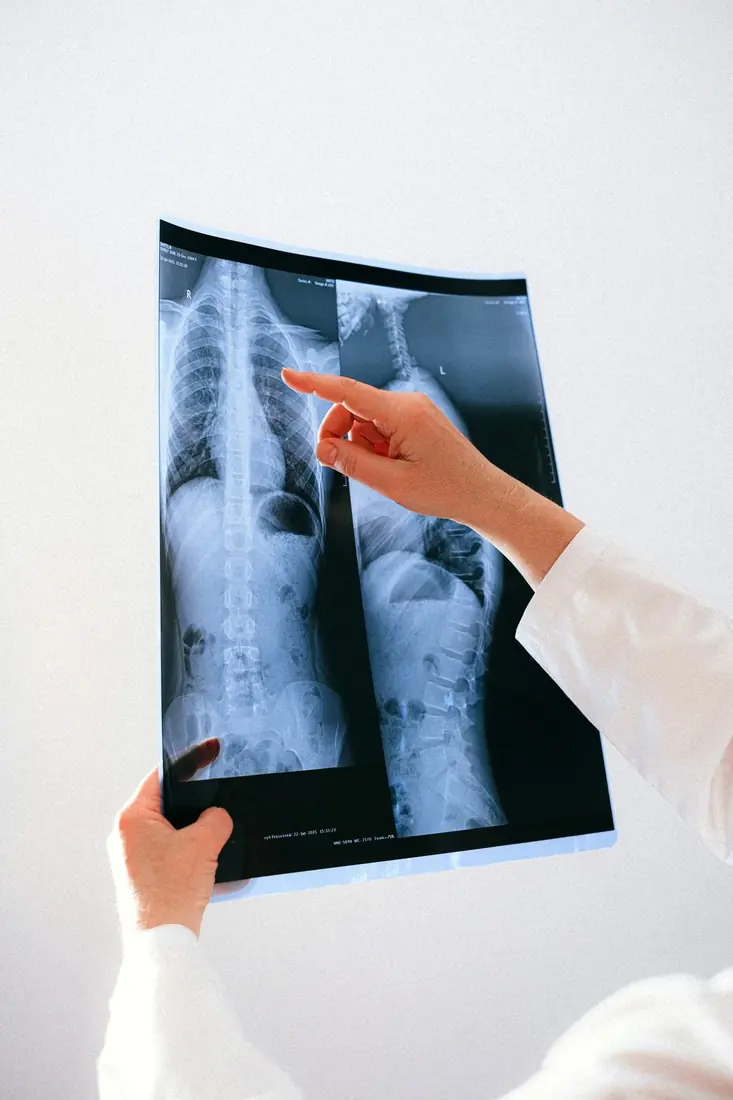
1. X-rays
X-rays mainly assess bones and joints, including:
- Fracture or dislocation
- Shoulder osteoarthritis
- Some rotator cuff tendon calcifications
- Other bone abnormalities
X-rays do not directly show the detailed soft-tissue structure of the rotator cuff tendons.
2. Musculoskeletal ultrasound
Musculoskeletal ultrasound can show selected shoulder soft tissues in real time, including:
- Rotator cuff tendons such as supraspinatus, infraspinatus and subscapularis
- Imaging features of partial- or full-thickness rotator cuff tears
- The presence and location of tendon calcification
- The long head of the biceps tendon
- The subacromial-subdeltoid bursa
- Selected changes in soft tissues during movement
Ultrasound does not use ionising radiation. The examination can include shoulder movement to observe relevant structures.
It can provide useful additional information when rotator cuff disease or calcific tendinopathy is suspected.
However, accuracy depends on the examiner's skill and the type of abnormality. Ultrasound cannot assess every structure within the joint completely.
3. MRI
MRI can provide a more comprehensive picture of shoulder soft tissues and some deeper structures inside the joint.
It may be considered for a suspected substantial rotator cuff tear, labral injury, complex joint problem or surgical assessment.
The clinical question should guide the choice of test.
Does frozen shoulder need ultrasound?
Frozen shoulder is mainly diagnosed through the history and clinical examination, particularly restrictions in both active and passive movement.
Ultrasound can sometimes add information or help assess a coexisting rotator cuff or other soft-tissue problem. It should not be used alone to confirm or exclude frozen shoulder.
6. What nonsurgical treatments are available?
Treatment depends on the diagnosis. No single approach suits everyone with shoulder pain.
1. Targeted exercise rehabilitation
Exercise rehabilitation is an important treatment for many people with rotator cuff-related shoulder pain.
Depending on symptoms and functional needs, a programme may gradually include:
- Shoulder range-of-motion exercises
- Rotator cuff resistance exercises
- Strength and movement control around the shoulder blade
- Gradual loading and functional exercises
- Sport-specific movements and training for athletes
Pain relief should not be the only goal. Assessment should also consider whether the shoulder can again tolerate the demands of work, household tasks and sport.
2. Manual therapy and joint mobilisation
For some people, joint mobilisation, soft-tissue techniques and related manual treatments can form part of conservative care, helping short-term pain and movement.
Treatment may involve the shoulder and shoulder girdle. The neck and thoracic spine should also be assessed when the clinical findings suggest a relevant contribution.
3. Focused shockwave therapy
The 2025 guideline allows consideration of shockwave therapy for calcific rotator cuff tendinopathy, but recommends against it for noncalcific tendinopathy. Selection requires assessment. Reference 1
4. Laser therapy
Laser may be considered for calcific rotator cuff tendinopathy. This does not establish equal benefits across devices or all shoulder conditions. Reference 1
5. Medication, injections and other medical care
People with more severe pain or substantial loss of function may need medical assessment to discuss painkillers, anti-inflammatory medication, injections or other care.
For example, some people with frozen shoulder may be offered an intra-articular corticosteroid injection after medical assessment, alongside suitable movement exercises.
An acute severe rotator cuff tear, persistent marked weakness or severe functional difficulty despite appropriate nonsurgical care may need orthopaedic or sports medicine assessment.
7. When does shoulder pain need urgent medical attention?
Although many shoulder problems are musculoskeletal, the following features need particular attention.
Seek urgent medical assessment for:
- A visibly deformed shoulder, severe pain or inability to move after a fall, collision or sports injury
- Sudden marked redness, swelling or heat around the shoulder, with fever or feeling generally unwell
- Shoulder pain with new or worsening arm weakness, numbness or loss of sensation
- Severe shoulder pain that is clearly different from a usual activity-related episode
If shoulder pain occurs with chest pressure, breathlessness, cold sweating, fainting or other possible heart-attack symptoms, call Hong Kong emergency services on 999 immediately.
Increasing pain, repeated waking from pain, unexplained weight loss or a history of cancer also warrant early medical assessment.
8. How does the clinic assess shoulder pain?
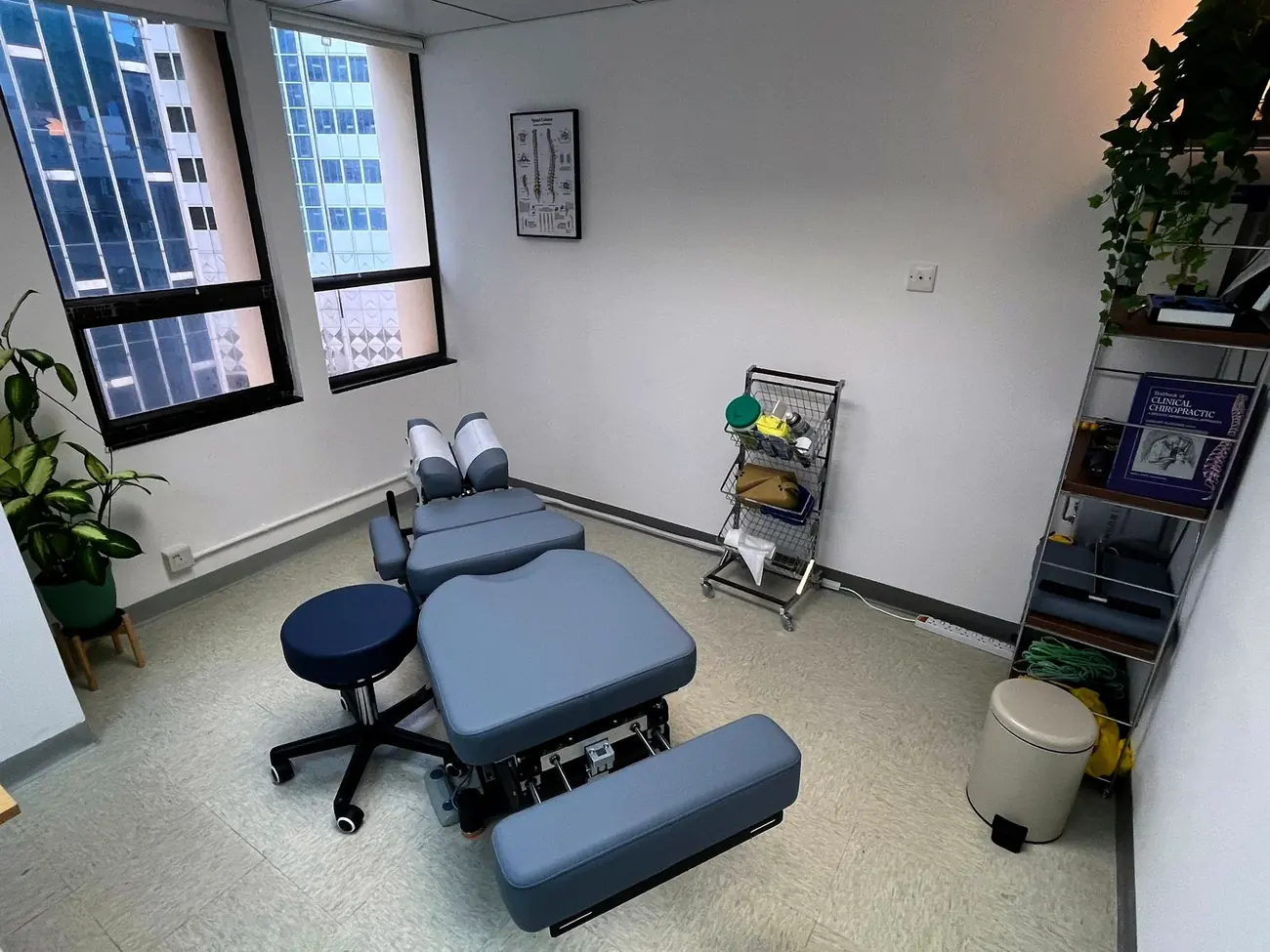
Causeway Bay Chiropractic Clinic is operated by the Hong Kong Chiropractic College Foundation Ltd. It provides musculoskeletal assessment, treatment and exercise rehabilitation.
The chiropractor selects an appropriate examination based on symptoms, history and activity needs. The assessment also considers whether the neck or nervous system may be involved.
1. History and clinical examination
Assessment includes:
- Pain location, time of onset and injury mechanism
- Active and passive shoulder movement
- Strength of the rotator cuff and related muscles
- Relevant orthopaedic tests
- Neck and neurological screening
- Limitations in work, sport and everyday activities
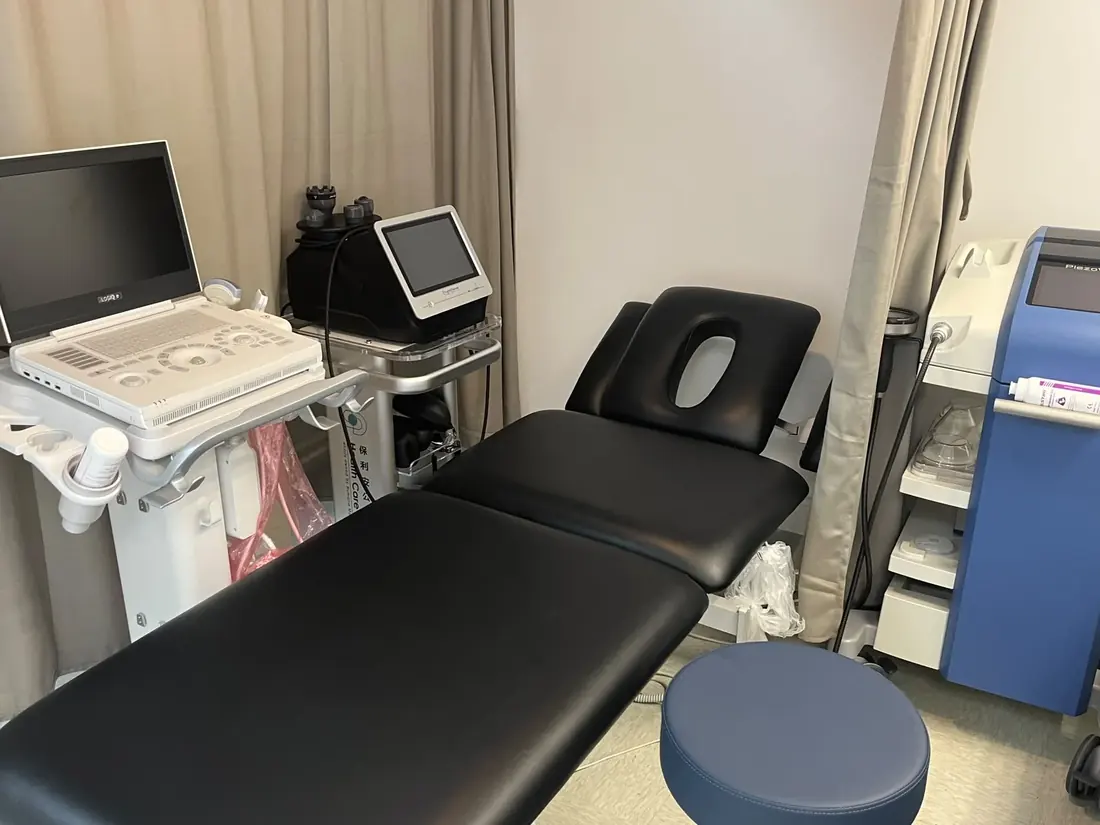
2. Musculoskeletal ultrasound when clinically appropriate
Ultrasound may be considered as an additional assessment tool when rotator cuff tendinopathy, a tear, calcification or a bursa problem is suspected.
Its findings must be interpreted alongside symptoms and the physical examination.
3. An individual treatment and rehabilitation plan
When nonsurgical care is appropriate, the plan may include shoulder manual therapy, soft-tissue techniques, progressive strengthening and load management.
For selected people with calcific rotator cuff tendinopathy, additional treatment such as focused shockwave therapy may be considered after assessment.
For people returning to sport, rehabilitation also considers strength, range of movement, load tolerance and sport-specific demands.
The goal is to help restore work, daily activities and sport as well as reduce pain.
If the findings suggest a need for further imaging, injections or specialist care, an appropriate referral will be recommended.
9. Frequently asked questions
Q1: Does shoulder pain mean frozen shoulder?
No. Frozen shoulder is one possible cause. Rotator cuff tendinopathy, a tear, acromioclavicular joint problems, calcific tendinopathy or a cervical nerve problem can also cause shoulder pain. History and examination are needed to distinguish them.
Q2: Does pain when raising the arm mean a rotator cuff tear?
Not necessarily. This is common in rotator cuff-related shoulder pain and does not establish a tear. Sudden marked weakness or an inability to lift the arm after injury needs early assessment for a substantial tear or another injury.
Q3: Will frozen shoulder improve without treatment?
Some people gradually improve with time, but recovery can take months to years. Not everyone regains their previous range of movement completely. Appropriate pain management and exercise rehabilitation help maintain function, with other medical options considered when needed.
Q4: Does night pain mean the condition is serious?
Night pain occurs in several conditions, including frozen shoulder and rotator cuff tendinopathy. Timing alone cannot establish the extent of an injury. Worsening night pain or pain accompanied by general warning signs needs medical assessment.
Q5: Does a rotator cuff tear always need surgery?
Some people improve in pain and function with appropriate rehabilitation and nonsurgical treatment. An acute traumatic tear, a larger full-thickness tear or a marked loss of strength and function may need early orthopaedic assessment.
Q6: Is ultrasound or MRI better for shoulder pain?
It depends on the suspected condition. Ultrasound can assess many rotator cuff and calcification problems. MRI provides a more comprehensive view of deeper and intra-articular structures. Without warning signs, the history and examination usually guide whether imaging is needed.
Q7: Should shoulder pain be treated with stretching or strengthening?
No one exercise programme suits everyone. Rotator cuff-related tendon problems usually emphasise progressive strength training. Frozen shoulder needs movement exercises matched to pain and stiffness. If stretching clearly worsens pain, adjust the exercise.
Q8: Can shoulder pain be treated with shockwave therapy?
Shockwave therapy may be considered for selected calcific rotator cuff tendinopathy. The 2025 guideline recommends against it for noncalcific rotator cuff tendinopathy. Reference 1
Q9: Could shoulder pain with hand numbness come from the neck?
Yes. Pain spreading from the neck to the shoulder, arm or fingers with numbness, tingling or weakness calls for assessment of the cervical nerve roots and peripheral nerves. Shoulder and neck problems can also coexist.
Q10: When should a professional assess shoulder pain?
Arrange assessment if pain persists, repeatedly affects sleep or work, limits raising the arm or dressing, or substantially affects sport. Acute severe trauma, marked weakness or other warning signs should receive appropriate medical attention first.
10. Arrange a shoulder assessment
If shoulder pain affects daily activities, sleep or sport, or you would like to understand whether it may be frozen shoulder, a rotator cuff problem or another condition, you can arrange a musculoskeletal assessment at Causeway Bay Chiropractic Clinic.
The clinic will discuss suitable examination, treatment and rehabilitation options according to the individual findings.
Causeway Bay Chiropractic Clinic 銅鑼灣脊醫診所
Address: Room 1403-04, Capitol Centre, 5-19 Jardine's Bazaar, Causeway Bay, Hong Kong
Telephone: 2116 5931
References
- Desmeules F, et al. Rotator Cuff Tendinopathy Diagnosis, Nonsurgical Medical Care, and Rehabilitation: A Clinical Practice Guideline. J Orthop Sports Phys Ther. 2025;55(4):235–274.
- American Academy of Orthopaedic Surgeons. Rotator Cuff Tears.
- NHS. Frozen shoulder.
- NHS. Shoulder pain.
- American College of Radiology. Appropriateness Criteria: Chronic Shoulder Pain.
Written by: Dr Mica Leung (Hong Kong Registered Chiropractor, Registration No. 436) · Dr Lui Kwan Long (Hong Kong Registered Chiropractor, Registration No. 449) · Dr Yip Siu Ho (Hong Kong Registered Chiropractor, Registration No. 441)
This article provides general health information and does not replace an individual clinical assessment.