Rider performance and horse-riding injuries in Hong Kong
Does your back tire in sitting trot, does one stirrup feel heavier, or does hip or knee pain linger after riding? We start with the riding task you want to improve, then assess pain, mobility, strength and coordination. I turn those findings into a care and off-horse training plan, so you understand what we can do in clinic and what to practise between visits.
On this page
Why does rider performance involve the whole body?
In sitting trot, your pelvis follows the horse while your trunk manages balance and your hands and legs give separate aids. Two-point adds sustained hip, leg and trunk effort. When one area tires or hurts, another may have to work harder.
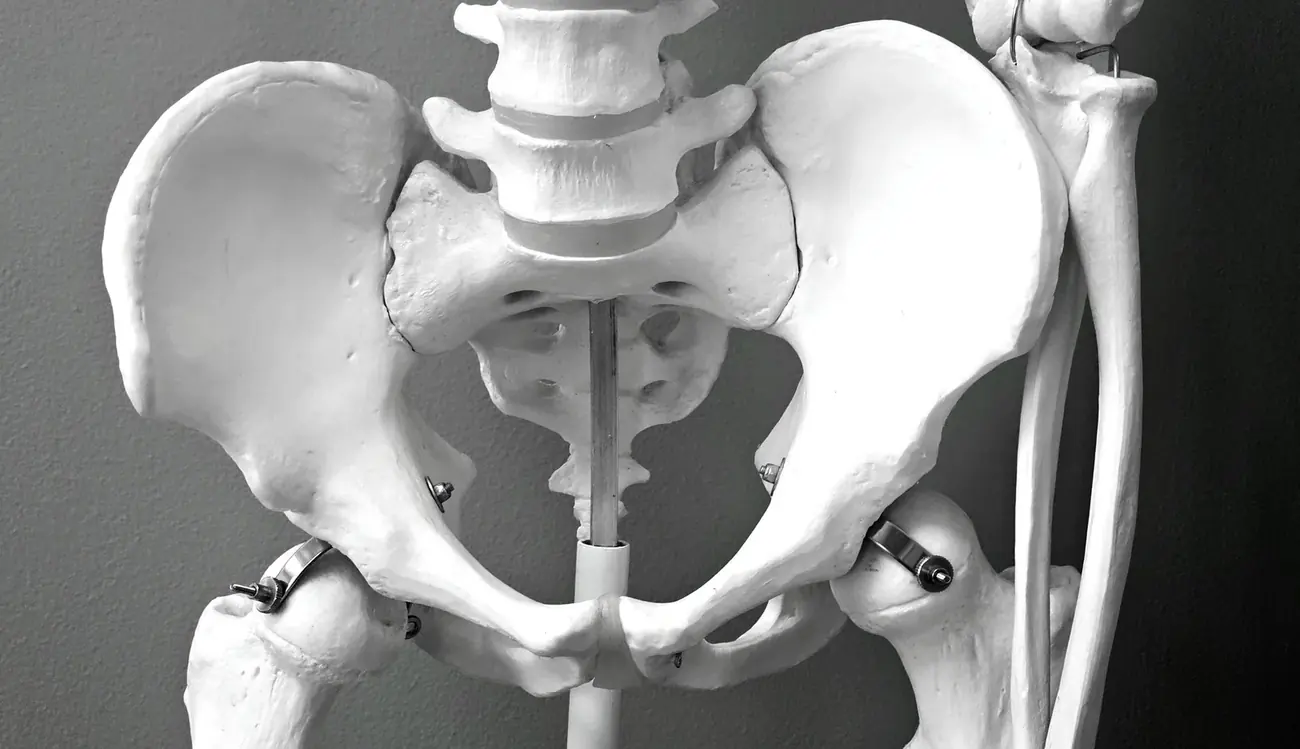
I ask which gait, rein or stage of the lesson brings on the difficulty, then compare spinal, hip, leg and trunk function. Rider studies link pelvic movement control and muscle coordination with riding quality, supporting assessment of movement as well as posture or plank time.[3][4]
Which riding-related problems can we assess?
Back, neck and shoulder pain: back fatigue in sitting trot, tightness after riding or discomfort while holding the reins and controlling the upper body. I examine symptom behaviour, spinal and hip movement, shoulder function and relevant nerve function to guide care.
Hip, groin and inner-thigh symptoms: difficulty lifting a leg to mount, adductor fatigue after gripping or a clear difference between reins. Assessment helps distinguish limited movement, muscle or tendon loading and control difficulties so exercises address the relevant problem.
Knee, ankle and upper-limb problems: knee pain in two-point, unreliable support after an ankle sprain, or shoulder, elbow and wrist symptoms affecting rein use. We can assess these musculoskeletal problems and rebuild the strength, balance and movements your riding needs.
An uneven seat, swinging lower leg or late-lesson fatigue can also be assessed without labelling every difficulty an injury. Acute injuries after a fall need appropriate medical assessment before rehabilitation.
What does a rider assessment involve?
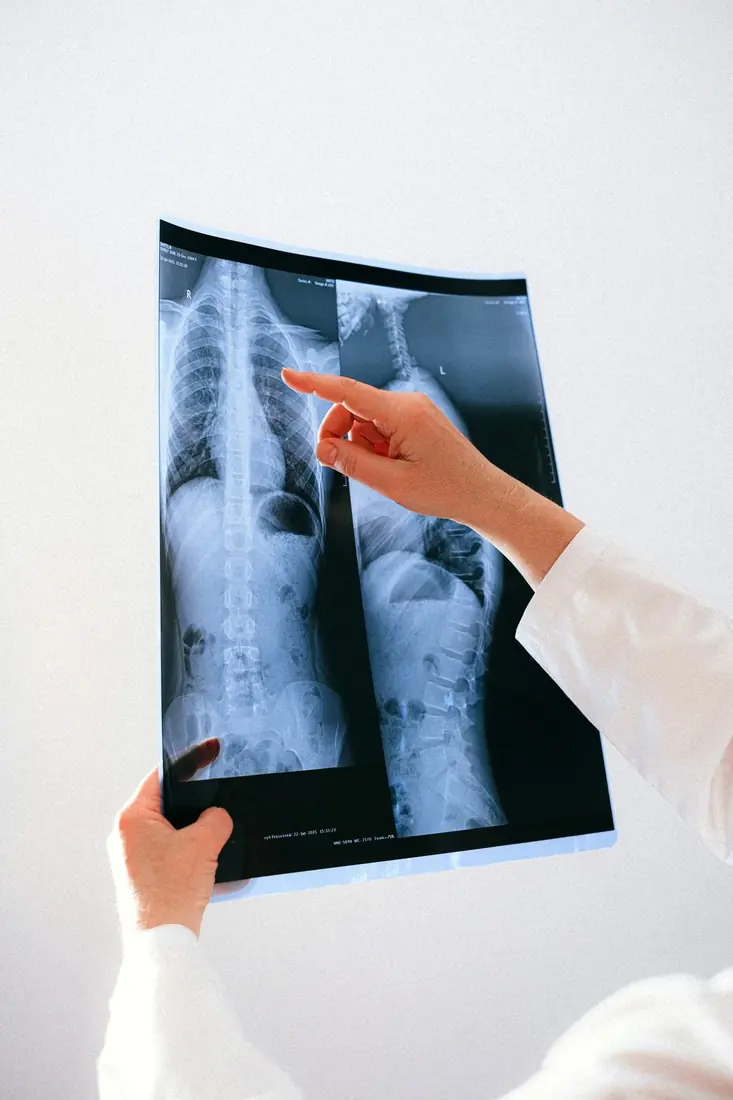
Identify what is limiting your riding. I review injury history, discipline and weekly training, then assess relevant joint movement, strength, balance and coordination. Riding footage helps connect ground-based findings with sitting trot, turns or two-point.
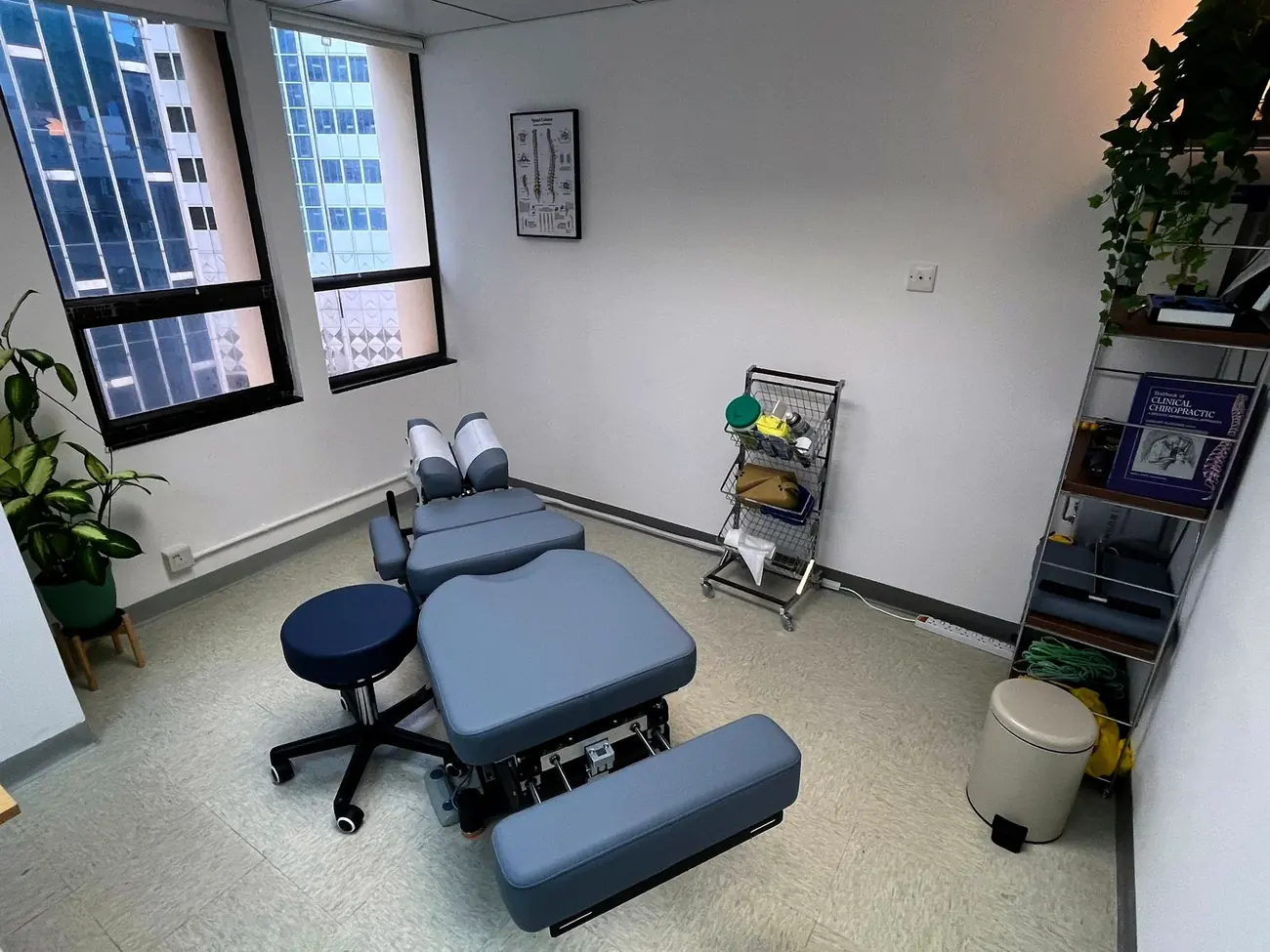
What can we do for you in clinic?
Manage symptoms and make movement easier. Depending on the findings, care may include joint mobilisation, suitable spinal manipulation and soft-tissue treatment alongside exercise rehabilitation. For low back pain, NICE places manual therapy within a care package that includes exercise.[5]
Build capacity for the saddle. We teach and adjust hip mobility, leg strength, trunk endurance and single-leg support exercises, then progress the challenge. Review focuses on useful changes such as easier mounting, longer sitting-trot tolerance or better control late in a lesson.
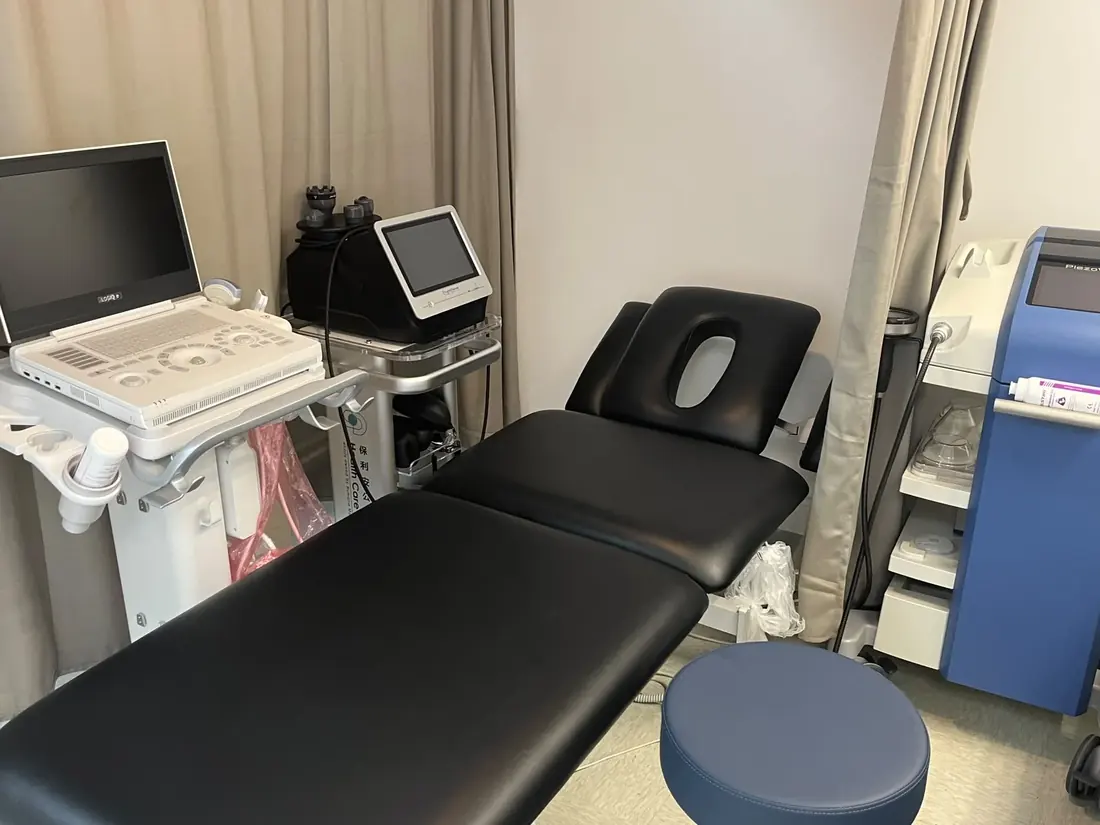
Where a muscle or tendon problem needs further assessment, the clinic can consider musculoskeletal ultrasound or discuss an adjunct suited to that condition. We explain the purpose of the selected care and the home practice that accompanies it.
What can you do yourself?
1. Choose one clear goal. It might be mounting comfortably, riding longer before back fatigue or feeling steadier through the ankle in two-point. Record the gait, timing and next-day response.
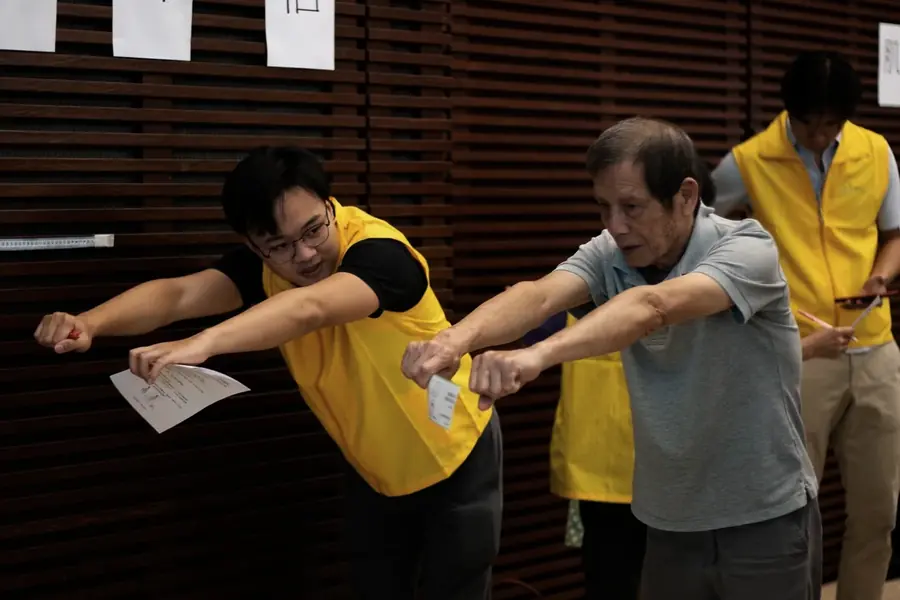
2. Prepare your movement. Start with walking, then comfortable knee lifts, hip hinges and upper-back turns. Build into riding without exhausting yourself during the warm-up.
3. Train strength and control off the horse. Choose one or two relevant exercises, such as a supported split squat, calf raise, arm reach on hands and knees or supported single-leg balance. Begin with an easy version and build repetitions or resistance once breathing and movement stay smooth.
4. Fit training around lessons. Change one variable, such as continuous sitting-trot time or gym resistance, then review the response after riding and the next day. IFCE and FEI rider guidance also emphasises strength, coordination and off-horse preparation.[1][2]
How do clinic care, coaching and equipment checks fit together?
We work on the rider’s pain, movement and physical capacity, while your coach helps apply those changes to riding technique. Clips of both reins, sitting trot or transitions let us compare progress in a familiar lesson situation.
Persistent saddle slip or a change in the horse’s movement also calls for the relevant saddle-fitter or veterinary assessment. Looking at rider, saddle and horse together helps identify the next practical step.
How can you rebuild riding after injury?
After the injury has been assessed, we rebuild the movement and control needed to mount, dismount, use the reins and support your weight. With your coach, progress from shorter, manageable riding to longer sessions and more demanding gaits or tasks.
Severe neck or back pain, head-injury symptoms or limb weakness after a fall needs medical assessment first. The riding-injury article explains acute injury care and the separate return-to-riding pathway after concussion.
What should you bring to your first assessment?
Bring your riding goal, weekly riding and exercise schedule, previous injury or imaging information and any riding footage you already have. We agree a measurable goal so treatment, home practice and coaching work towards the same outcome.
Explore your riding concern
References
- Institut français du cheval et de l’équitation. Rider fitness: how to go about it.
- FEI. Using Your Core To Create A More Effective Seat. 2020.
- Uldahl M, Christensen JW, Clayton HM. Relationships between the Rider’s Pelvic Mobility and Balance on a Gymnastic Ball with Equestrian Skills and Effects on Horse Welfare. Animals. 2021;11:453.
- Elmeua González M, Šarabon N. Muscle modes of the equestrian rider at walk, rising trot and canter. PLoS ONE. 2020;15:e0237727.
- NICE. Low back pain and sciatica in over 16s: assessment and management. NG59. Recommendations.
This article provides general health information and does not replace an individual clinical assessment.