What exercise helps low back pain? Common rehabilitation misconceptions
Back rehabilitation can start with manageable movements, then add strength, mobility and aerobic activity where appropriate. Connecting exercise to sitting, lifting or walking gives it a practical purpose beyond counting repetitions of a core exercise.
On this page
Why is exercise important in rehabilitation?
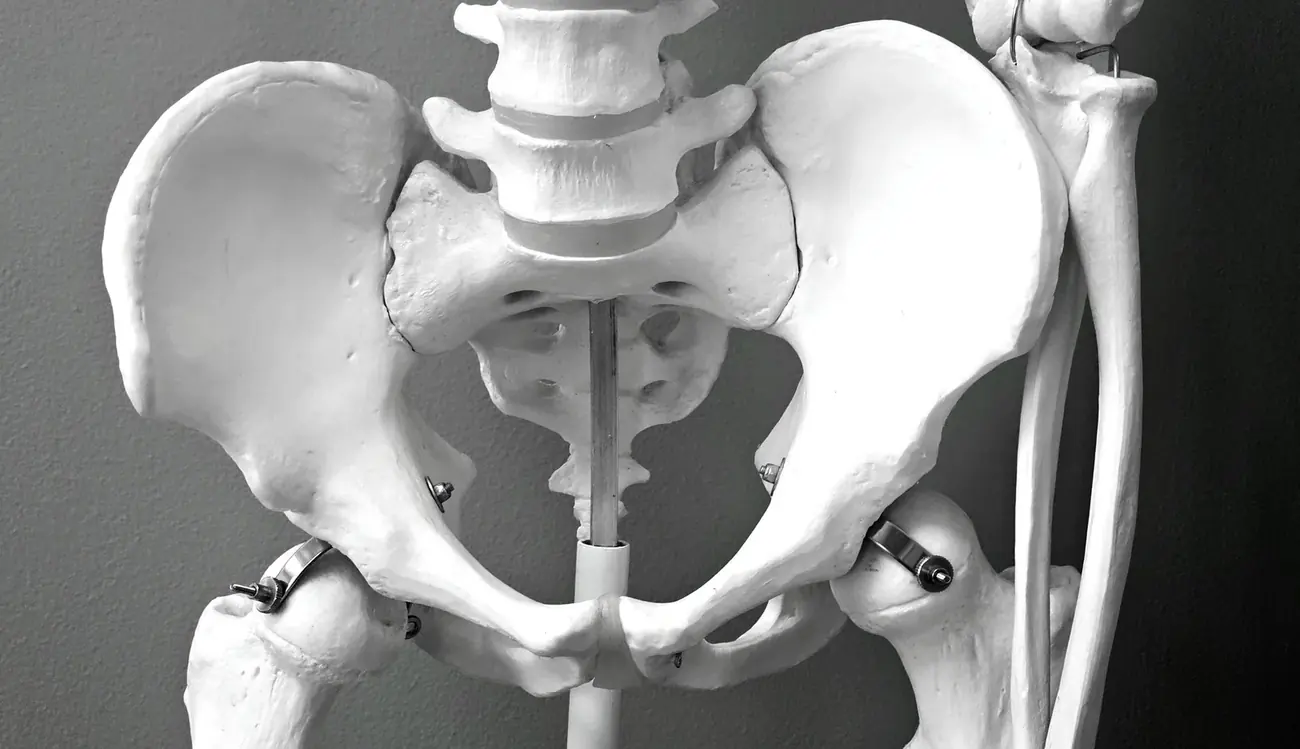
The lower back works with the pelvis, hips and legs to perform daily movements such as walking, bending, standing and lifting.
Prolonged reductions in activity because of pain may reduce strength, endurance and confidence in movement, making normal life harder to resume.
The World Health Organization's 2023 guideline on chronic primary low back pain identifies structured exercise as one nonsurgical management option that can be considered.
Research also suggests that appropriate exercise can improve pain and disability for some people with persistent low back pain.
The aim is not to force the spine to remain in one position. It is to gradually restore function and tolerance to everyday demands.
Three types of exercise to consider
1. Low-intensity aerobic activity
Walking, swimming and other aerobic activities suited to the person's fitness can support general activity capacity and fitness.
For some people who have been inactive for a long time, walking may be an accessible starting point.
For example, begin with short walks and increase time and distance according to symptoms during activity and the following day.
However, prolonged walking is not appropriate for everyone. Some people with lumbar spinal stenosis develop leg pain or numbness with walking and standing and need an approach adapted to their symptoms.
2. Trunk and hip strengthening
The lumbar region relies on coordinated activity in the abdominal, back, buttock and leg muscles during everyday movement.
Exercises such as the glute bridge, bird dog and sit-to-stand may help selected patients gradually improve control, strength and endurance.
These exercises are not specific cures for every cause of back pain, and not everyone needs the same routine.
For example, one person may need to prioritise hip strength, while another needs a gradual return to spinal movement and lifting.
3. Functional load training
Some people can stretch or perform core exercises once pain settles but still develop symptoms when lifting, carrying a child or working for long periods.
This may indicate that some activity capacity has returned but the demands of real life are not yet fully tolerated.
Later rehabilitation can therefore include progressively loaded squats, hip-dominant movements, lifting and other functional tasks suited to the individual.
Successful rehabilitation involves more than holding a plank. It also includes returning to work and exercise safely and confidently.
Three common rehabilitation misconceptions
Misconception one: back pain always means a weak core
Core training is often presented as the first choice, but back pain is not caused solely by weakness of the abdominal or deep spinal muscles.
A 2022 systematic review of systematic reviews found that different exercise approaches may help, without sufficiently consistent evidence that one type is clearly superior for everyone.
People do not necessarily need to focus indefinitely on one core exercise. Exercise selection should reflect functional needs.
Misconception two: back pain always needs more stretching
When the back feels tight, some people repeatedly perform deep forward bends, twisting or hamstring stretches.
Muscle tension can be a protective response to pain and does not necessarily mean that a muscle is genuinely shortened.
Do not force a stretch that repeatedly worsens back pain or causes pain to spread further down the leg.
Stretching can be one part of rehabilitation, but it does not replace appropriate strength, endurance and functional training.
Misconception three: pain during exercise always means another injury
Pain is an important protective signal, but it does not always correspond directly to tissue damage.
After appropriate safety assessment, some people with persistent low back pain may experience mild temporary discomfort during progressive exercise without this indicating further tissue injury.
This does not mean that every level or type of pain should be pushed through.
Assess symptoms during exercise as well as pain, stiffness and daily function afterwards and the next day. Persistent deterioration suggests that the load needs reconsidering.
New or worsening weakness, substantial numbness or other neurological symptoms warrant stopping the relevant exercise and obtaining assessment.
Should you exercise every day?
There is no single exercise frequency that suits everyone.
Someone starting rehabilitation may begin with brief, low-intensity activity and gradually increase volume. Someone already active may need adjustments based on their existing ability rather than starting from zero.
More useful than pursuing a fixed daily number of sets is establishing a sustainable habit and gradually matching training to real-life needs.
Overall, the key is not a single miraculous exercise. It is selecting suitable activities for the person's symptoms and goals, then progressively building tolerance to load.
If pain persists, leg neurological symptoms occur or you are unsure which activities are suitable, obtain an appropriate clinical assessment before developing an individual rehabilitation plan.
References
- World Health Organization. (2023). WHO guideline for non-surgical management of chronic primary low back pain in adults in primary and community care settings. WHO guideline
- Hayden JA, et al. (2021). Exercise therapy for chronic low back pain. Cochrane Database of Systematic Reviews. Cochrane Review
- Grooten WJA, et al. (2022). Summarizing the effects of different exercise types in chronic low back pain – a systematic review of systematic reviews. BMC Musculoskeletal Disorders. 23:801. DOI: 10.1186/s12891-022-05722-x.
Further reading on low back pain
← Back to the low back pain overview
Written by: Dr Lui Kwan Long (Hong Kong Registered Chiropractor, Registration No. 449)
This article provides general health information and does not replace an individual clinical assessment.