Headache and dizziness: is it your neck or vestibular system?
Your next step: keep a short record of headache or dizziness episodes, triggers and medicines. Assessment can help clarify the pattern, identify relevant neck or movement problems and guide suitable care, exercises or medical referral for your symptoms.
When headache or dizziness disrupts work, sleep or walking, identifying the pattern helps guide care. Neck rehabilitation, vestibular exercise, repositioning for BPPV and migraine care serve different purposes. Sudden severe headache, speech or vision changes, weakness or inability to stand steadily requires emergency care. Reference 1 Reference 2
Four key points
On this page
1. What can cause headache and dizziness?
Migraine can cause nausea and sensitivity to light or sound. It can affect one or both sides of the head. A tension-type headache often feels like pressure or a tight band. A headache caused by a neck disorder is called cervicogenic headache. A stiff neck or degenerative changes on an X-ray are not enough to diagnose it. Reference 3 Reference 4
Vertigo is the feeling that you or your surroundings are moving when they are not. The vestibular system in the inner ear helps you sense head movement and keep your balance. BPPV, reduced vestibular function and vestibular migraine can affect this system. Feeling faint or having dim vision when you stand may instead relate to blood pressure, medicines or another health problem. Reference 5
2. What do turning in bed, screens or head movement tell us?
Brief spinning when you roll over, lie down or look up may be BPPV. Dizziness that lasts for hours and gets worse when you move is a different pattern. A trained clinician needs to examine the eye movements during suitable position tests. The trigger alone cannot confirm the diagnosis. Reference 6
Screens, passing traffic and supermarket aisles can make some people dizzy because they are sensitive to moving or busy images. Note how long it lasts and whether you also have a headache, light sensitivity, ringing in the ears or hearing changes. These details help a clinician consider vestibular migraine and other causes. Reference 7 Reference 8
Use the table to help describe what you feel. How dizzy you are, whether you vomit and whether you or the room seems to move cannot reliably distinguish an inner ear problem from a brain problem. The BMJ review and GRACE-3 guideline stress the need to consider how symptoms began, other symptoms and the examination. Do not use eye movement checks or HINTS at home to rule out stroke. Reference 9 Reference 10
| What you feel | What to note | What to do next |
|---|---|---|
| Brief spinning when turning in bed or lying down | How long it lasts and whether it settles when you keep still | BPPV is possible. A clinician needs to confirm it with position tests. |
| Sudden ongoing vertigo, nausea and unsteadiness | When it started, whether you can stand or walk and any hearing change | An inner ear or brain condition is possible. Seek emergency care for marked unsteadiness or other warning signs. |
| Dizzy spells with light sensitivity or a history of migraine | Headache, vision changes, duration and ear symptoms | A clinician may consider vestibular migraine and other causes. Hearing changes also need assessment. |
| Ongoing swaying, worse in shops or at screens | How long it has lasted and how standing or movement affects it | PPPD and other causes need assessment. Do not assume anxiety is the only cause. |
| Dim vision or feeling faint when standing up | Links with standing, medicines or meals, and any loss of consciousness | A doctor may need to check blood pressure, medicines and other causes. Chest pain, collapse during exercise or not fully recovering after a blackout needs emergency care. |
| Dizziness with a stiff or tight neck | Whether the symptoms happen together and any other balance or nerve symptoms | A tight neck does not prove the cause. Other conditions still need assessment. |
Use this table to describe symptoms, not to diagnose yourself or rule out stroke.
3. Does neck pain prove the headache or dizziness comes from your neck?
No. Migraine can also cause neck discomfort. If turning your neck brings on your usual headache, that is useful information, but it is only one part of the assessment. The clinician also needs to review the headache pattern and other possible causes. Feeling better after massage does not prove the headache came from your neck. Reference 4
The term “cervical dizziness” also needs care. A Bárány Society paper in the Journal of Vestibular Research found insufficient evidence that a neck disorder directly causes vertigo. If you feel dizzy and your neck is tight, other vestibular, neurological and blood vessel problems still need consideration. Reference 11
4. What can you do during an episode?
1. Sit down if you feel dizzy or unsteady. Avoid driving, heights and stairs without support.
2. Note whether it is brief spinning, ongoing swaying or light-headedness, and when it began.
3. For a familiar headache, rest somewhere quieter and maintain fluids, regular meals and a consistent routine.
4. Follow your doctor or pharmacist’s advice about medicines. Record how many days you use them each month. Do not increase or suddenly stop prescribed treatment yourself. Reference 2 Reference 1
Avoid forceful neck movements and repeated repositioning exercises from videos before the cause is known. A repositioning treatment must match the affected ear and canal. Vestibular rehabilitation also needs to fit the problem. It is not simply a set of head-shaking exercises for everyone. Reference 6 Reference 12
5. Which symptoms need emergency care?
Go to an emergency department for a sudden headache that quickly becomes extremely severe. Get emergency help for headache or vertigo with new double vision, loss of vision, slurred speech, facial or limb weakness, confusion or a seizure. Sudden ongoing vertigo that leaves you unable to stand or walk also needs urgent assessment. Call 999 if you need an ambulance. Do not drive yourself. Severe headache with fever and a stiff neck is another reason to seek emergency care. Reference 1 Reference 13
Sudden hearing loss needs urgent medical assessment that day, especially with vertigo. See a doctor promptly for a new or clearly changed headache, pain brought on by coughing or straining, or headache with jaw pain when chewing or a tender scalp. Tell the doctor if you have cancer or a weakened immune system. New vision changes or other emergency signs need immediate care. Reference 14 Reference 3 Reference 1
6. Do you need a brain MRI or vestibular tests?
A test should help answer a specific question or change what happens next. A stable, diagnosed primary headache without warning signs does not usually need a brain scan just for reassurance. Typical BPPV also usually does not need imaging. Unusual symptoms, neurological changes or other concerning findings may make further tests necessary. Reference 3 Reference 6
Depending on the symptoms, assessment may include hearing tests, eye movement checks, position tests or other vestibular tests. HINTS is a clinical examination used in a particular type of acute dizziness. It needs training to perform and interpret. It is not a home test for stroke. Reference 10
7. How do treatments differ?
Treatment depends on the cause. A doctor may prescribe medicines to treat migraine attacks or help prevent them. BPPV may need a repositioning procedure. People with diagnosed loss of peripheral vestibular function may benefit from exercises for steady vision, walking and balance. These treatments do different jobs. Reference 3 Reference 6 Reference 12
Neck exercise and manual therapy are options for some people with cervicogenic headache. A 2022 Chiropractic & Manual Therapies review found possible benefits, with variable study quality. Establish the headache type first, as these findings do not apply to every migraine or dizziness problem. Reference 15
8. What can a clinic assessment clarify?
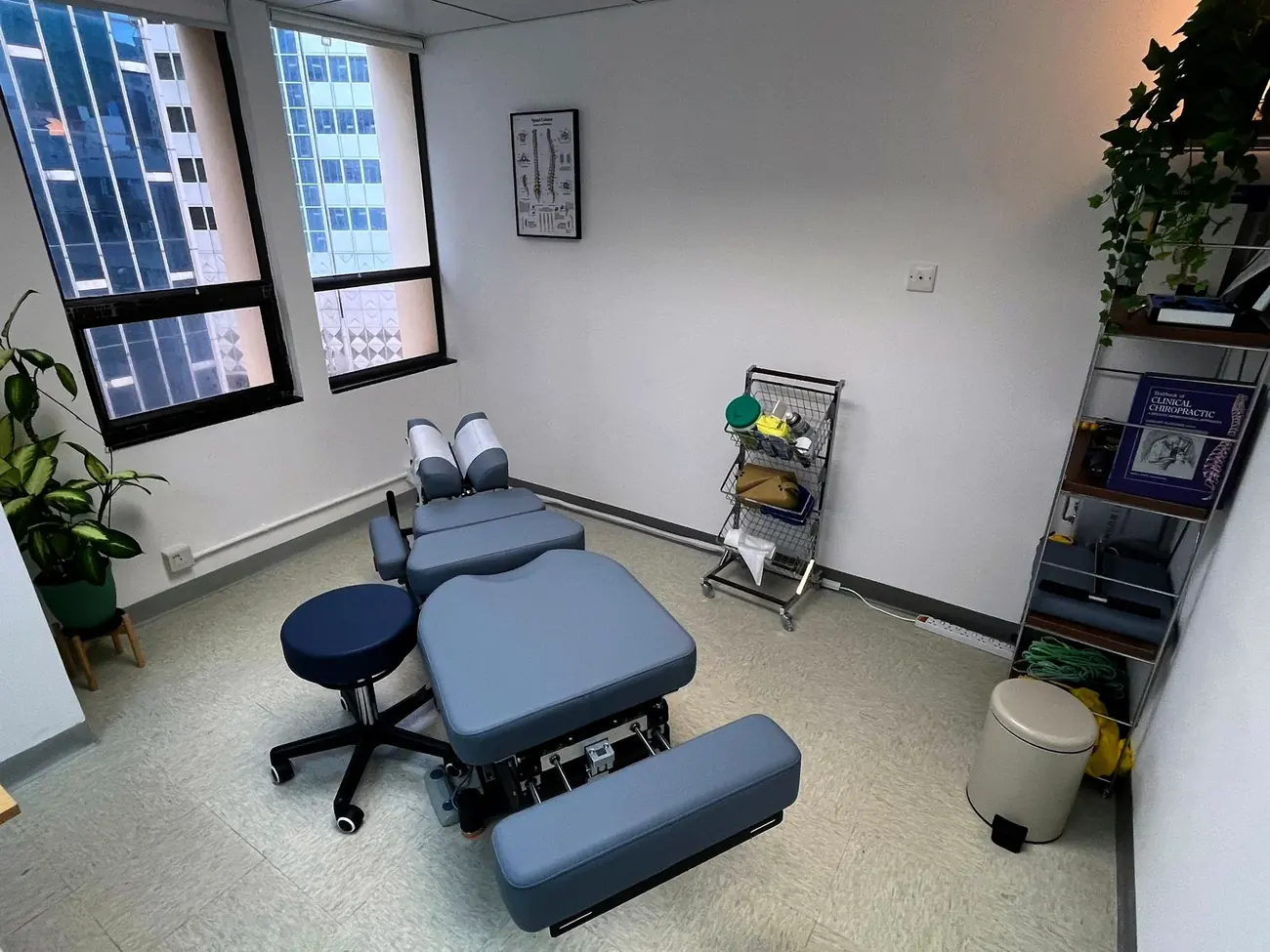
Bring a symptom diary, a list of medicines and any previous reports. The chiropractor will ask when symptoms started, what brings them on and whether headache and dizziness happen together. They will also ask about work, walking and sleep. Examination can assess the neck and other relevant areas and identify signs that need medical referral.
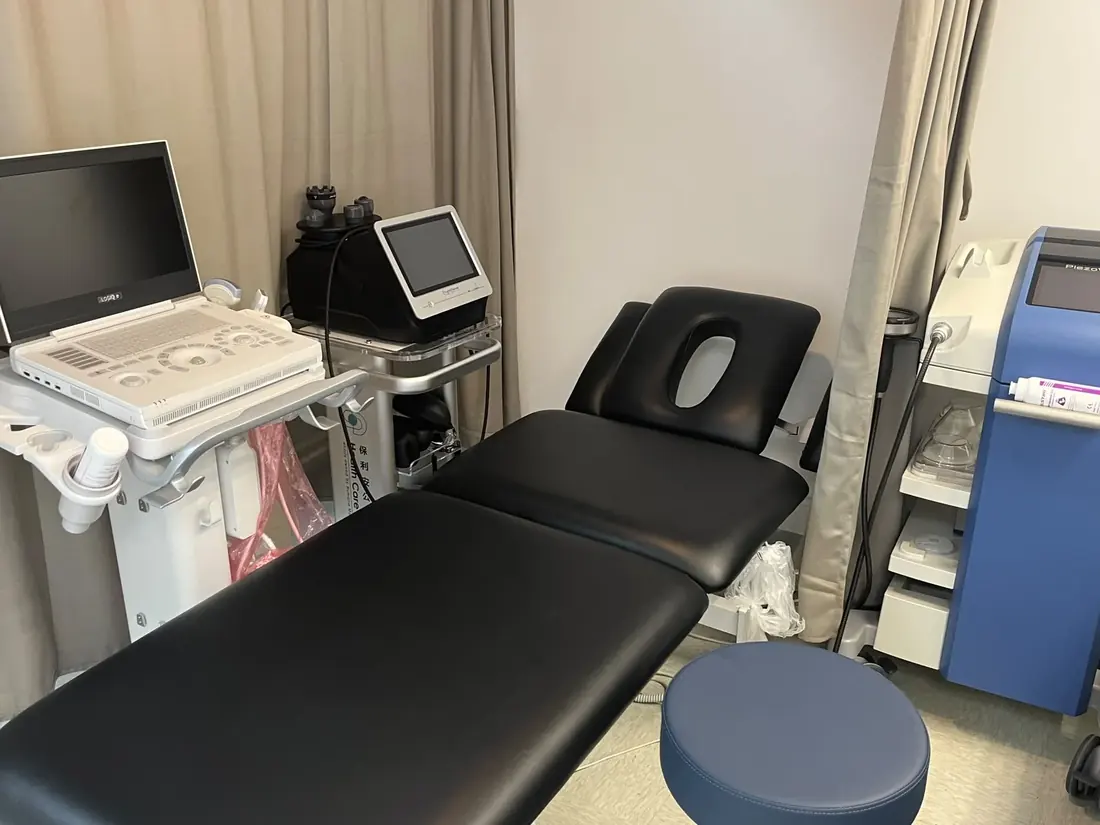
Suspected inner ear disease, migraine, hearing problems or a neurological condition needs appropriate medical assessment. If specialist vestibular testing or rehabilitation is needed, check that suitable staff and services are available. This page explains possible treatments. It does not mean the clinic provides every test or specialist procedure.
9. Frequently asked questions
Q1: Does dizziness always mean an inner-ear imbalance?
“Inner-ear imbalance” is an informal description, not a diagnosis. Blood pressure, medicines, migraine and different vestibular disorders can all cause dizziness. Reference 5
Q2: Is migraine always one-sided?
No. Migraine can affect both sides. Activity-related worsening, nausea and sensitivity to light or sound also matter. Reference 3
Q3: Can vestibular migraine occur without headache?
Yes. A vestibular migraine episode does not always include a headache. Diagnosis still depends on your migraine history, the features of the dizzy spells and whether another condition explains them. Reference 7
Q4: Does one repositioning treatment prevent all recurrence?
No. Some people need another examination or more treatment. If symptoms continue or change, a clinician may need to check for another cause. Reference 6
Q5: Should I stop moving completely when dizzy?
Sit or lie somewhere safe during an acute attack. Once the cause is understood, a clinician can advise how to return to activity. Staying in bed for a long time is not the answer for every type of dizziness. Reference 12
Q6: Why do headaches continue despite frequent painkillers?
The headache may need better treatment, or frequent medicine use may be contributing. Take your medicines and a record of the days you use them to a doctor. Do not change prescribed treatment on your own. Reference 3
Q7: Does a normal brain scan mean nothing is wrong?
No. Some headache and vestibular conditions are diagnosed mainly from symptoms and an examination. A normal scan does not mean the symptoms are imaginary or need no care. New warning signs still need reassessment. Reference 7 Reference 8
Q8: When is a clinic assessment reasonable?
Once urgent causes have been addressed, recurring headache with neck pain that affects work or sleep can be assessed at the clinic. Persistent dizziness without a diagnosis needs appropriate medical assessment first. Specialist vestibular care may be needed.
References
- NHS. Headaches. Symptoms and when to seek help.
- NHS. Vertigo.
- NICE. Headaches in over 12s: diagnosis and management. CG150. Recommendations.
- International Headache Society. ICHD-3: 11.2.1 Cervicogenic headache.
- NHS. Dizziness.
- Bhattacharyya N, et al. Clinical Practice Guideline: Benign Paroxysmal Positional Vertigo (Update). Otolaryngol Head Neck Surg. 2017;156(3_suppl):S1–S47. doi:10.1177/0194599816689667.
- Lempert T, et al. Vestibular migraine: Diagnostic criteria (Update). Literature update 2021. J Vestib Res. 2022;32:1–6. doi:10.3233/VES-201644.
- Staab JP, et al. Diagnostic criteria for persistent postural-perceptual dizziness (PPPD). J Vestib Res. 2017;27:191–208. doi:10.3233/VES-170622.
- Agarwal K, et al. Acute vertigo: getting the diagnosis right. BMJ. 2022;378:e069850. doi:10.1136/bmj-2021-069850.
- Edlow JA, et al. GRACE-3: Acute dizziness and vertigo in the emergency department. Acad Emerg Med. 2023;30:442–486. doi:10.1111/acem.14728.
- Seemungal BM, et al. The Bárány Society position on ‘Cervical Dizziness’. J Vestib Res. 2022;32:487–499. doi:10.3233/VES-220202.
- Hall CD, et al. Vestibular Rehabilitation for Peripheral Vestibular Hypofunction: An Updated Clinical Practice Guideline. J Neurol Phys Ther. 2022;46:118–177. doi:10.1097/NPT.0000000000000382.
- NICE. Suspected neurological conditions: recognition and referral. NG127, section 1.2.
- NICE. Hearing loss in adults: assessment and management. NG98, recommendations 1.1.2–1.1.3.
- Bini P, et al. The effectiveness of manual and exercise therapy on headache intensity and frequency among patients with cervicogenic headache: a systematic review and meta-analysis. Chiropr Man Therap. 2022;30:49. doi:10.1186/s12998-022-00459-9.
Written by: Dr Mica Leung (Hong Kong Registered Chiropractor, Registration No. 436)
This article provides general health information and does not replace an individual clinical assessment.