Low back pain: common causes, relief and treatment options
If back pain makes it hard to get out of bed, stand after sitting or lift everyday items, start by noticing which movement has changed and whether pain travels into a leg. Most low back pain can be approached with manageable activity and a gradual return to exercise. Assessment helps identify nerve symptoms or other problems that need medical care, then shape rehabilitation around your work and daily life.
On this page
1. What are the common causes of low back pain?
Low back pain is a symptom, not a single diagnosis. In most cases, an assessment does not identify a serious disease or one damaged tissue that fully explains it. This is called non-specific low back pain. Where the pain spreads, how strength and sensation change, and what movement is difficult guide the next step better than guessing which muscle is “out of place”.
1. Pain linked to activity and soft tissue
Your back may ache or feel stiff after a heavy lift, a sudden increase in exercise or a long time in one position. Tight muscles can be a protective response to pain. An assessment looks at the movements you can do and how to build them back, as well as where it feels tight.
2. Discs and nerve symptoms
Discs help spread loads through the lower spine. If a nerve root is irritated, pain, tingling or numbness can travel from the buttock into a leg. A disc bulge may also appear on a scan in someone with no symptoms. The report needs to be read alongside the pattern of pain and a check of leg strength and sensation.
3. Joints, pelvis and walking-related symptoms
Some people feel pain mainly when leaning back, turning or standing on one leg. Others develop leg pain or numbness after walking or standing, which eases when they sit or lean forward. These patterns guide examination of the back, pelvis and nerves, and help decide whether activity advice or medical review is needed. One movement test rarely identifies a joint as the definite source.
2. How can you adjust sitting when your back hurts?
Choose a supported position that feels comfortable, then give yourself chances to move. Staying in one position for a long time is often more useful to address than finding a supposedly perfect posture.
Try adjusting the backrest or lumbar support so your feet can rest steadily. After a meeting, a phone call or one stretch of work, stand and walk a little or change how you sit. Fit these options around your day. There is no required number of minutes between breaks.
If standing after sitting is still difficult, compare how it feels to rise from the same chair, how long you sit before symptoms start and whether walking helps. When pain keeps affecting work, an assessment can check back and hip movement, leg symptoms and everyday demands, then guide suitable exercises.
3. How does low back pain differ from sciatica?
Low back pain stays mainly in the back. Sciatica usually travels through the buttock into one leg and may come with tingling, numbness or reduced strength. Pain reaching the buttock or thigh alone does not always mean a nerve is compressed.
An assessment asks how far symptoms travel and whether leg strength has changed. Sensation, reflexes and the response to movement may then be checked. This helps decide whether to adjust activity and start rehabilitation or arrange further medical review.
New or worsening foot or leg weakness needs prompt medical assessment. If it comes with a change in bladder or bowel control or numbness around the genitals, go to an emergency department immediately.
4. How can sudden low back pain be relieved?
For sudden back pain without warning signs, begin with short, manageable periods of ordinary movement. Rise slowly, walk a little at home or nearby, then adjust according to how you feel later and the next day. A 2025 Cochrane overview found that advice to stay active probably brings small improvements in pain and function compared with bed-rest advice for acute low back pain. (ref. 2)
1. Keep doing what you can
Split heavy housework or lifting into smaller parts. Reduce the weight or time for now, then build it back. Short rests are fine, but staying in bed all day makes it harder to return to normal activity.
2. Use a comfortable way to ease symptoms
Heat may ease stiffness for a short time. Some people prefer cold. Put a cloth between the pack and your skin, avoid extreme temperatures and choose what makes movement easier.
3. Let the next day guide the pace
If one activity leaves pain clearly worse for longer, try a smaller movement, lighter load or fewer repetitions. Seek reassessment if symptoms keep worsening, a leg becomes weak or a warning sign below appears.
5. When does low back pain need urgent medical attention?
Go to an emergency department immediately if you develop new difficulty passing urine, a change in bladder or bowel control, numbness around the genitals or anus, or marked or rapidly worsening weakness in both legs. A suspected spinal fracture after a major injury also needs urgent care. These symptoms need assessment for serious nerve or spine problems. Do not wait for a routine clinic appointment. (ref. 4)
Arrange prompt medical assessment if back pain comes with fever, unexplained weight loss, a history of cancer or worsening nerve symptoms in a leg. Tell the clinician when each symptom started and what has changed.
6. Do you need an X-ray or MRI for low back pain?
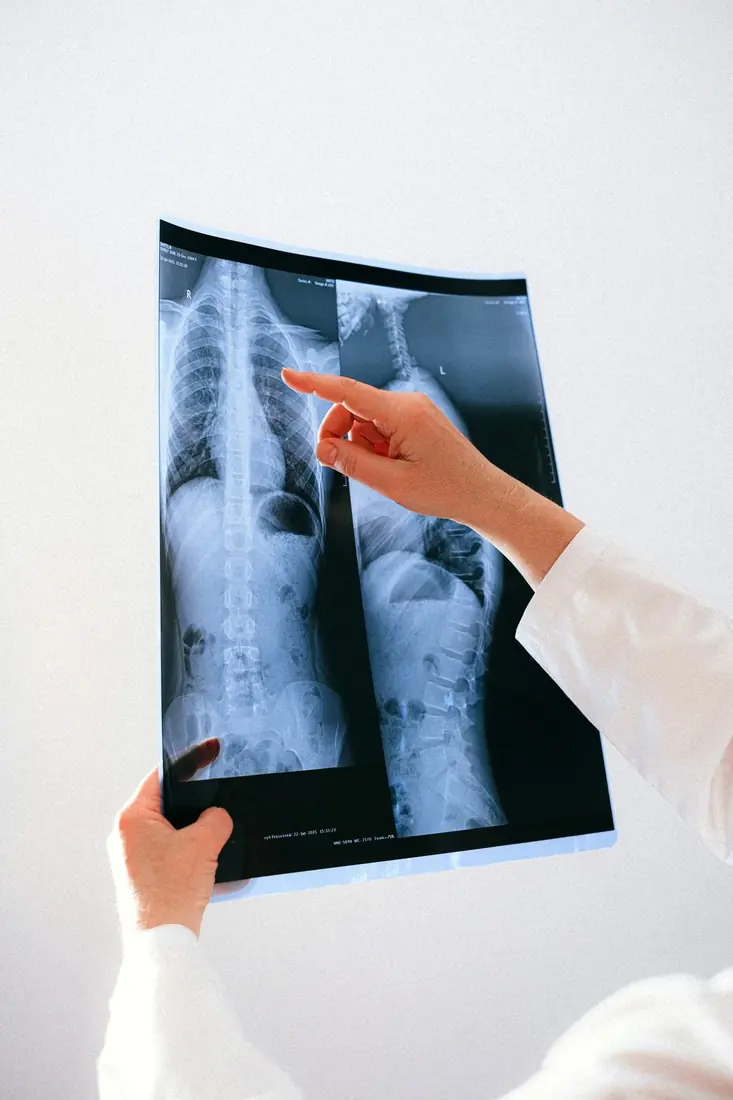
A scan is most useful when it can answer a question that changes care. With ordinary low back pain and no warning signs, a history and examination usually guide early care. NICE advises against routine X-rays or MRI in this situation. (ref. 1)
A scan may show disc degeneration or a bulge in someone who has no back pain. The report needs to be considered alongside where pain occurs and whether leg strength or sensation has changed.
When fracture, infection, cancer or severe nerve compression is suspected, or the result would guide specialist treatment, a doctor may arrange the appropriate scan. The point is to use imaging when it can change the next step.
7. What treatment options are available?
Care depends on how long pain has been present, which daily activities are difficult and what you want to return to. Education, suitable exercise and a gradual return to normal demands give you an active role in recovery.
1. How do you start rehabilitation?
For persistent or recurring pain, you might start with manageable walking, back and hip movement or simple strength work. Build the challenge towards work, caring duties or sport. A 2025 Cochrane overview found that, for chronic non-specific low back pain, exercise probably reduces pain and gives a smaller improvement in function compared with no treatment or usual care. The plan can follow your preferences and response rather than one fixed routine. (ref. 2)
2. Where does manual therapy fit?
Spinal manipulation or joint mobilisation may help some suitable people ease symptoms and start moving. A 2026 Cochrane review of adults with chronic low back pain found little difference in pain compared with other conservative care and a possible small improvement in function. Confidence in the evidence is low. NICE recommends manual therapy, when chosen, as part of a package that includes exercise. Discuss possible reactions, risks and your preferences before treatment. (ref. 3)(ref. 1)
3. How can you tell whether the plan helps?
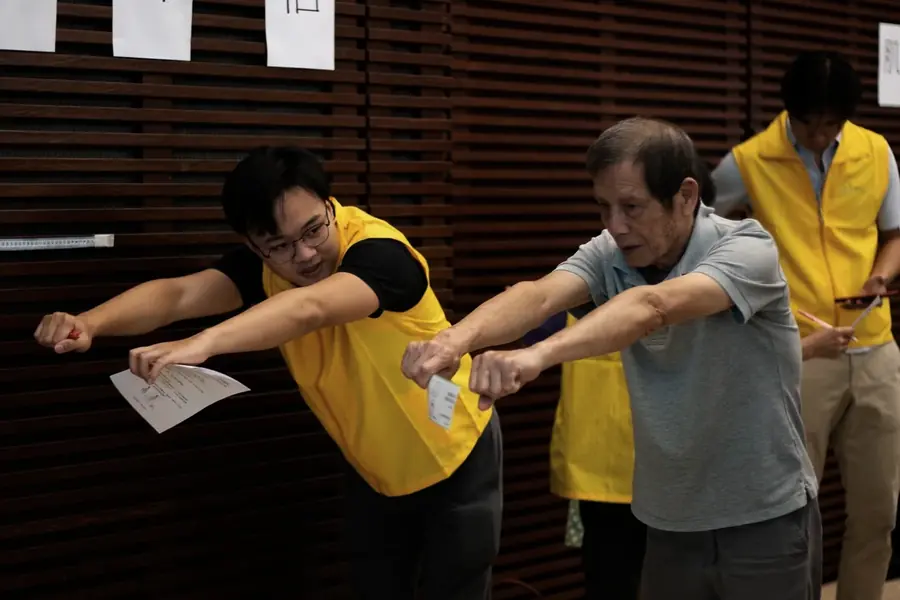
Choose one familiar task, such as rising from the same chair, walking to the station or carrying a usual shopping bag. Set a manageable starting point, then review pain, activity and the next-day response as exercise and work demands change. If sleep, stress or worry about moving also affect recovery, these can be discussed and referred for further support when needed.
8. How does our clinic assess low back pain?
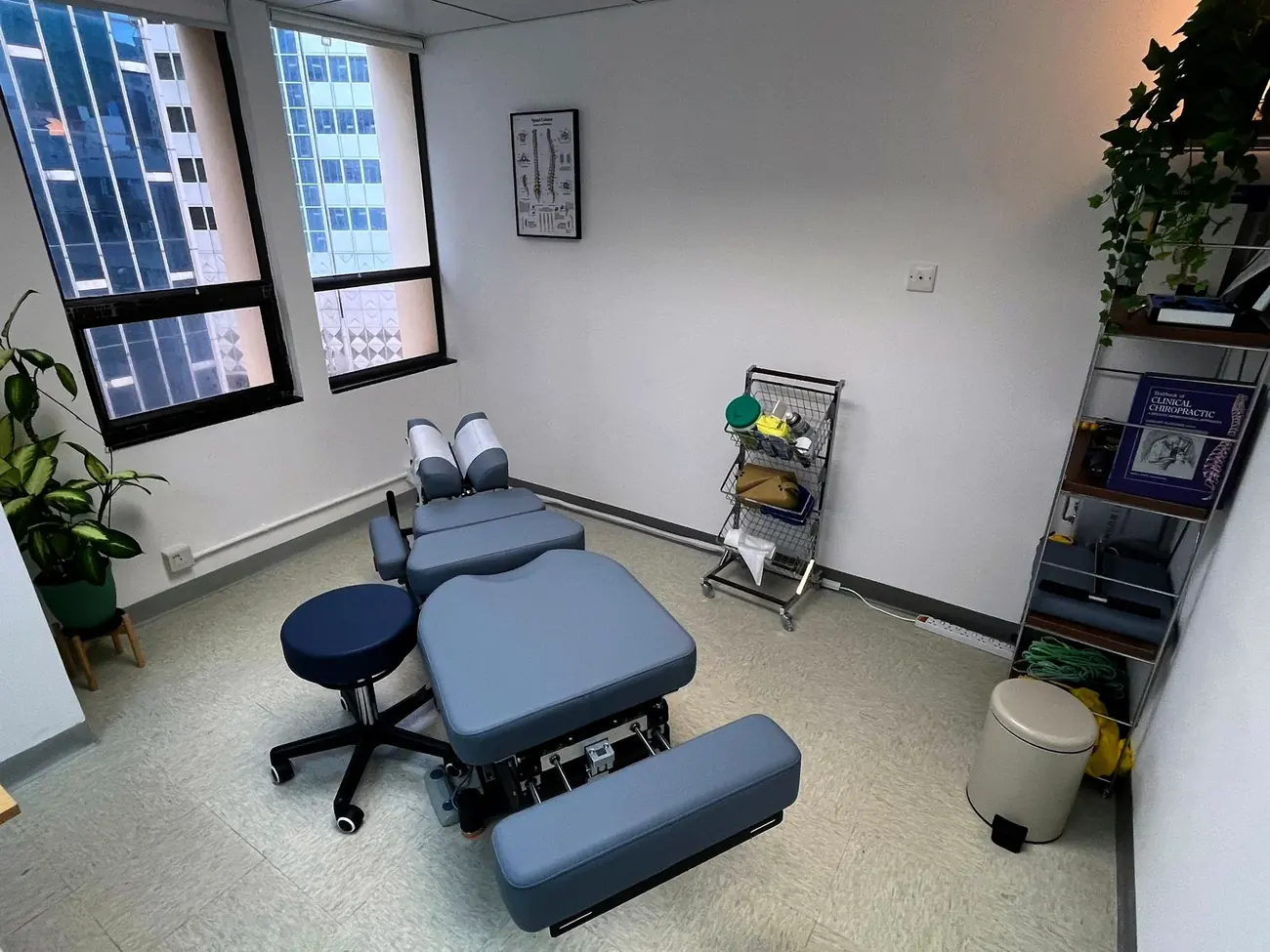
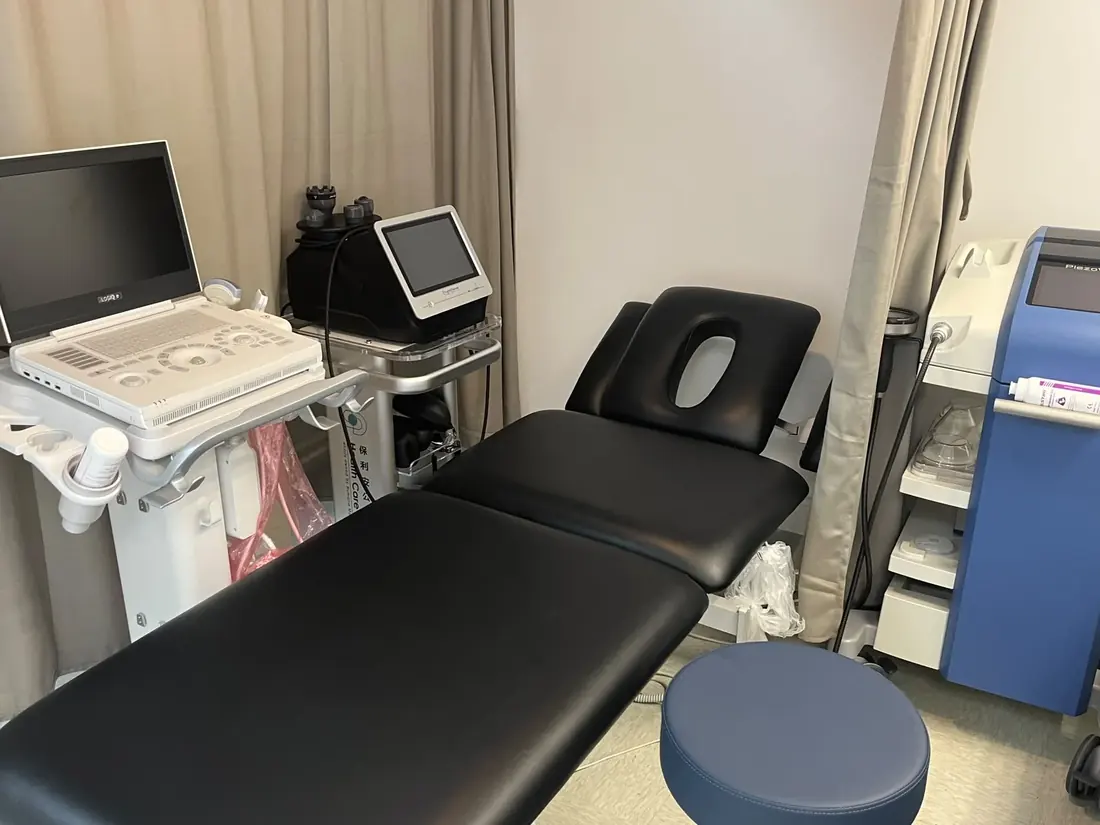
If back pain repeatedly affects work, sleep or walking, assessment connects the symptoms with what has become hard to do. The chiropractor asks how pain began, where it travels and which daily tasks have changed.
For example, pain rising after sitting may prompt a look at that movement, back and hip motion and leg strength. Pain travelling to the calf may call for checks of sensation, reflexes and strength. The findings help decide whether to adjust activity, add exercise, consider manual therapy or arrange medical review.
Progress can then be compared using the same daily task, with exercises adjusted to your response. Causeway Bay Chiropractic Clinic is operated by the Hong Kong Chiropractic College Foundation Ltd. and provides musculoskeletal assessment and rehabilitation. Suspected serious nerve or other medical problems are referred for appropriate assessment.
9. What else do people ask about low back pain?
Q1: How long does low back pain take to improve?
Many acute episodes ease over several weeks. Instead of setting one deadline for everyone, notice whether walking, rising and working become easier from week to week. Assessment is sensible when progress stalls, pain repeatedly disrupts life or new leg symptoms appear.
Q2: Should I stop if an exercise hurts a little?
First slow down, make the movement smaller or reduce the load, then notice how you feel at the time and the next day. Brief discomfort does not always mean more damage. Stop that exercise and seek assessment if pain keeps rising, numbness spreads or a leg becomes weak.
Q3: Does morning back pain mean I need a new mattress?
Notice how turning, getting up and moving for a while change the pain. Also consider whether your mattress has lost its support. Morning stiffness has several possible causes, so replacing the mattress may not be the first step. Persistent prolonged stiffness, night pain or other general symptoms deserve medical assessment.
Key references
- NICE. Low back pain and sciatica in over 16s: assessment and management (NG59). www.nice.org.uk
- Rizzo RRN, et al. Non-pharmacological and non-surgical treatments for low back pain in adults: an overview of Cochrane reviews. Cochrane Database of Systematic Reviews. 2025. www.cochrane.org
- de Zoete A, et al. Spinal manipulative therapy for adults with chronic low back pain. Cochrane Database of Systematic Reviews. 2026. www.cochrane.org
- Cambridge University Hospitals NHS Foundation Trust. Back pain: patient information. www.cuh.nhs.uk
Dr Yip Siu Ho|Hong Kong Registered Chiropractor (Registration No. 441)
This article offers general health education and does not replace an individual clinical assessment.