Hip osteoarthritis: does it always end in a replacement?
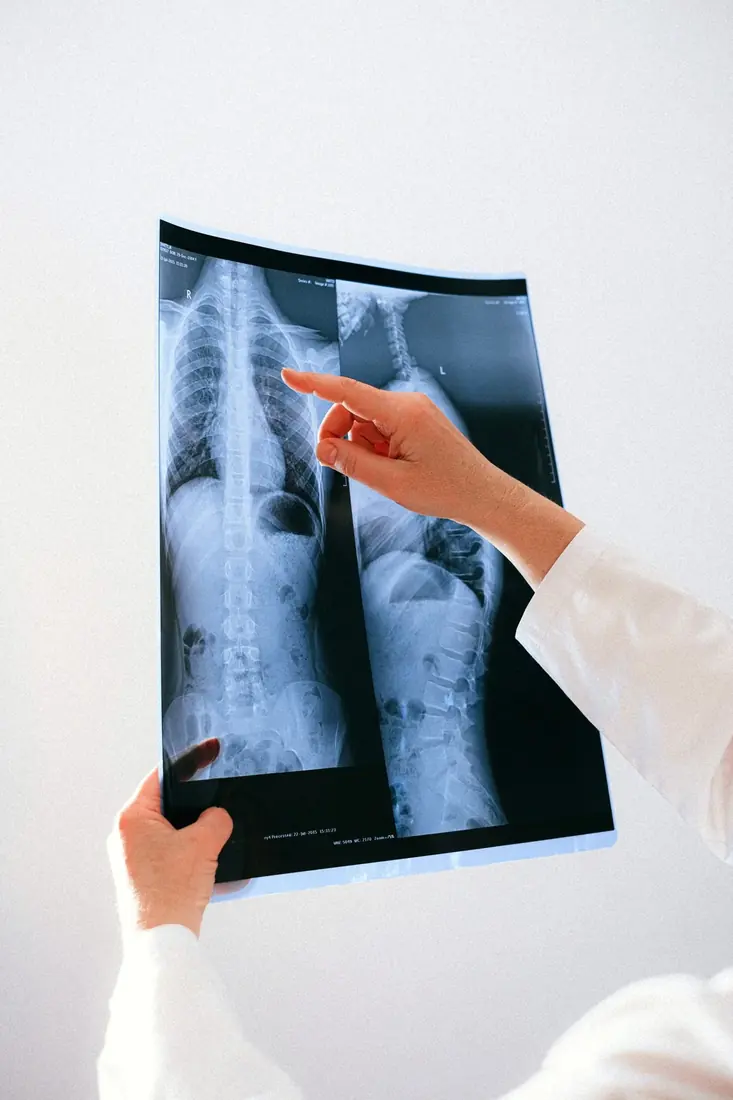
"The X-ray says my hip is calcified and worn - am I going to need a replacement sooner or later?" It is one of the most common questions in the clinic, and the answer is no, not from the moment wear is found. What decides the path is how much pain you are in and how much of your life it is taking, not how bad the film looks.
Clinically reviewed by
Dr. Mica Leung · 梁明治 脊醫
Registered Chiropractor (Hong Kong) · Registration no. 436 · Reviewed 13 August 2026
What the report usually means by "calcification"
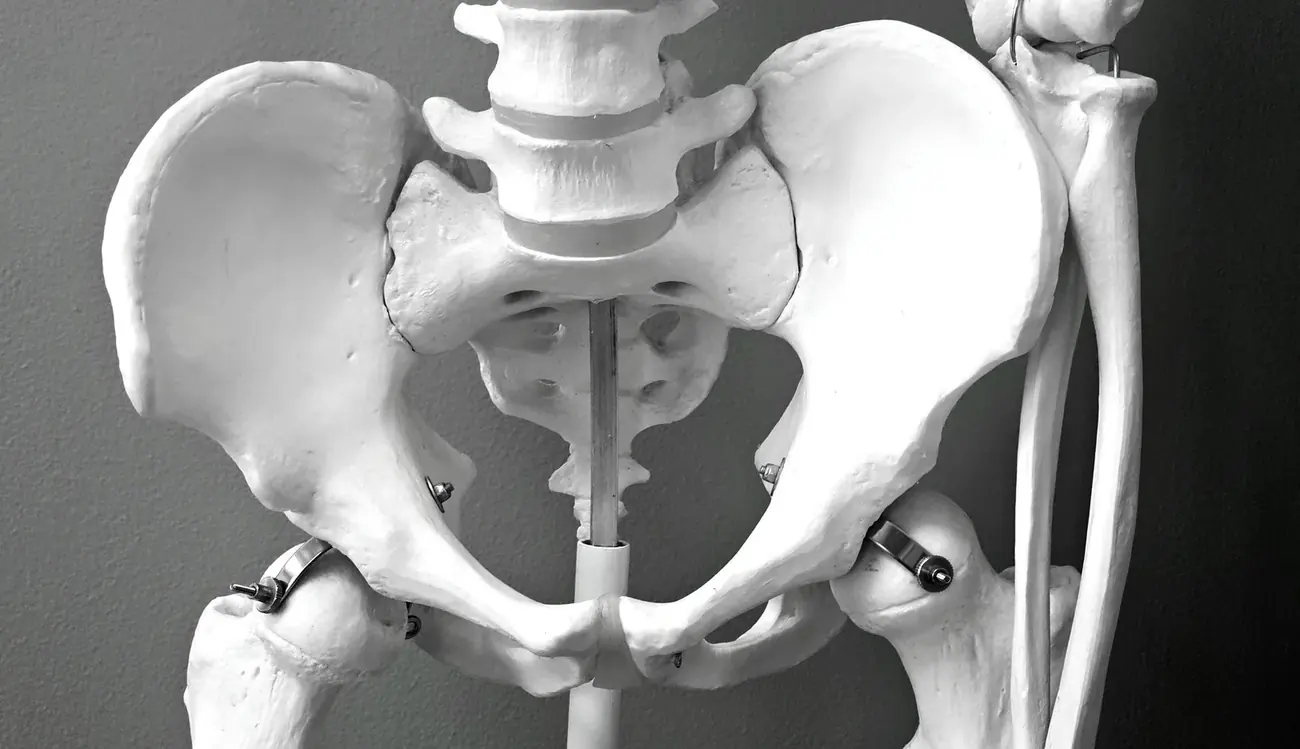
In most reports this describes an osteophyte - extra bone the body lays down at the rim of a joint that has been loaded unevenly for a long time. It is not caused by eating calcium, so cutting calcium out does nothing for it and raises the risk of osteoporosis instead. The finding tells you the joint has been working hard; it does not on its own tell you how much pain you should be in, or what should happen next.
Conservative care is where nearly everyone starts
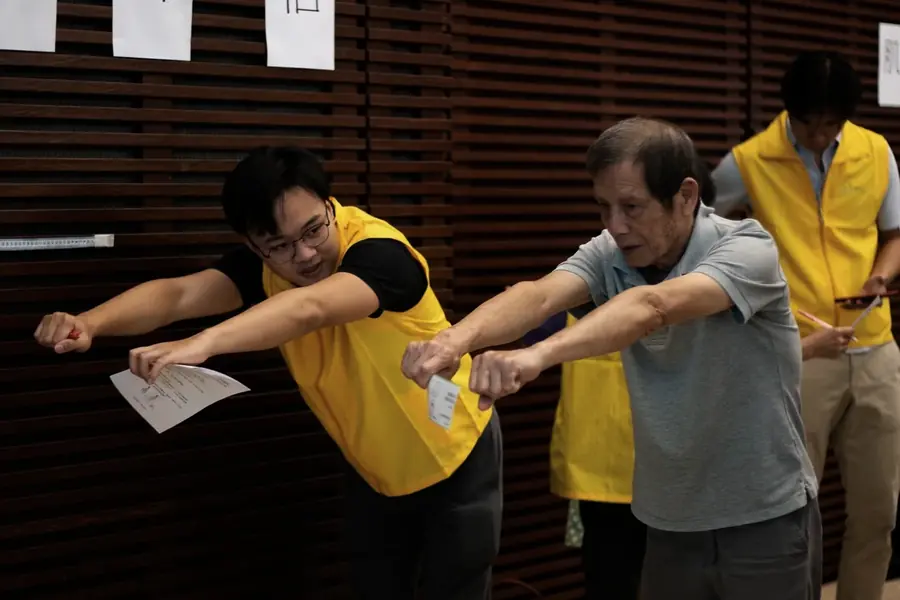
The core of it is exercise: hip and gluteal strength, range of movement, and weight management where that applies. Hip osteoarthritis tends to run in a loop - cartilage thins, load concentrates, the capsule tightens and internal rotation is lost, gait changes, the gluteal muscles weaken, load distributes even worse. Exercise is what interrupts that loop. Manual therapy added on top gives useful short-term relief, but the evidence is clear that over the longer term it does not beat exercise on its own. That is worth saying plainly: hands-on treatment can make you more comfortable and more mobile, and the thing that changes the trajectory is the exercise you keep doing.
When surgery becomes the conversation
When pain is affecting sleep, walking and work, and a genuine, sustained trial of exercise-based care has not shifted it, that is the point to discuss surgery with an orthopaedic surgeon. The choice between resurfacing and total hip replacement is theirs to make with you and depends on factors such as age, femoral head size and the shape of the socket. Three things worth keeping in mind: conservative care improves pain and function, it does not dissolve osteophytes or regrow cartilage, so treat anyone promising to "reverse" degeneration with caution; a sudden inability to walk, severe night pain, fever, or a history of long-term steroid use needs same-day medical assessment rather than a course of treatment; and true hip joint pain is usually felt in the groin - pain on the outside of the hip is more often gluteal tendinopathy or trochanteric bursitis, and hip pain can also come from a labral tear, femoroacetabular impingement, inflammatory arthritis, or be referred from the lumbar spine.
The short version
-
Wear on an X-ray does not by itself mean a replacement is coming.
-
Exercise is the part that changes the trajectory; hands-on treatment helps you tolerate it.
-
Groin pain is usually the hip itself; pain on the outside usually is not.
This article is general information about musculoskeletal problems. It is not a diagnosis and does not replace an assessment. If your symptoms are severe, sudden, or accompanied by fever, weakness, or loss of bladder or bowel control, seek urgent medical attention.