铜锣湾脊医诊所 · 肩痛健康信息

肩痛与肩膀痛

了解常见症状、治疗方法及何时需要就医。

肩痛/肩膀痛:常见成因、症状及治疗方法

肩痛影响穿衣、梳头、抬高手臂或侧睡时,可以从这些动作确定评估重点。检查活动范围、肌力和受伤经过,有助于区分肩袖、冻结肩或颈部相关问题,再安排适当的治疗和康复训练。

重点整理

    本页目录

    1. 肩痛有哪些常见成因?

    肩关节由肱骨、肩胛骨及锁骨等结构组成,周围有肩袖肌腱、关节囊、韧带及滑囊协助维持活动与稳定。

    由于肩关节具有相当大的活动幅度,不同组织都可能参与疼痛。临床上较常见或值得考虑的问题包括:

    1. 肩袖肌腱病变(Rotator Cuff Tendinopathy)

    肩袖(Rotator Cuff,又称旋转肌袖)由四组肌肉及相关肌腱组成,包括冈上肌、冈下肌、肩胛下肌及小圆肌,主要负责协助肩关节活动及稳定。

    肩袖肌腱病变常见于需要反复举高手臂的人士,例如进行羽毛球、游泳、网球、健身训练,或工作上需要高举手臂的人士。

    常见症状包括:

    • 举高手臂时肩部外侧疼痛
    • 手臂向侧面抬高时感到不适
    • 提取重物或穿衣服时疼痛
    • 患侧侧睡时肩部疼痛
    • 肩部肌力及负荷耐受能力下降

    部分患者会被诊断为「肩峰撞击症候群」(Shoulder Impingement Syndrome)。然而,现时临床上亦常使用「肩袖相关肩痛」(Rotator Cuff-Related Shoulder Pain)或「肩峰下疼痛症候群」(Subacromial Pain Syndrome),避免将所有症状简单归因于骨骼夹住肌腱。

    肩袖肌腱疼痛亦不等于肌腱一定出现撕裂。

    2. 五十肩/冰冻肩(Frozen Shoulder)

    五十肩又称冰冻肩或黏连性肩关节囊炎(Adhesive Capsulitis),主要涉及肩关节囊的炎症、纤维化及活动受限。

    患者除了肩痛,亦会逐渐感到肩关节僵硬,尤其在向外旋转手臂、举高手或将手伸到背后时更加明显。

    典型表现包括:

    • 肩部逐渐疼痛及僵硬
    • 夜间肩痛,影响睡眠
    • 穿衣服、梳头或扣胸围变得困难
    • 自己无法举高手臂,他人协助活动时亦受到限制

    五十肩较常见于中年人士,糖尿病及部分甲状腺疾病患者的患病风险亦较高。

    五十肩不是所有肩痛的统称。 单纯举高手臂疼痛,并不足以确诊五十肩。

    3. 肩袖撕裂(Rotator Cuff Tear)

    肩袖撕裂可能在跌倒、搬运重物或运动创伤后出现,亦可能与长期肌腱退化有关。

    撕裂可分为部分厚度撕裂及全层撕裂,严重程度因人而异。

    部分患者会出现:

    • 明显肩部疼痛或无力
    • 手臂难以抬高或维持高举
    • 搬运物件时力量明显下降
    • 受伤后突然失去部分肩部功能

    但需要注意,部分没有肩痛的人士,影像检查亦可能发现肩袖撕裂。因此,影像发现撕裂不代表它必然是疼痛原因,也不代表一定需要手术。

    若在创伤后突然出现明显肌力下降或无法举高手臂,则应及早接受医疗评估,排除急性严重撕裂及骨折。

    4. 钙化性肩袖肌腱病变(Calcific Rotator Cuff Tendinopathy)

    部分肩痛患者的肩袖肌腱内会出现钙质沉积,常见于冈上肌肌腱。

    钙化性肌腱病变可能长时间没有明显症状,但在某些阶段,患者会突然出现剧烈肩痛,甚至难以举手或入睡。

    常见表现包括:

    • 肩部外侧明显疼痛
    • 活动手臂时痛楚加剧
    • 夜间疼痛
    • 急性发作时肩部活动明显受限

    X 光及肌肉骨骼超声波可协助辨认肌腱钙化。对部分症状持续的患者,可考虑特定非手术治疗,包括聚焦式冲击波治疗。

    5. 肱二头肌长头肌腱问题(Long Head of Biceps Tendinopathy)

    肱二头肌长头肌腱经过肩关节前方,参与肩部的活动及稳定。

    当患者进行提取重物、肩部训练或某些反复使用上肢的动作时,可能出现前肩疼痛。

    不过,前肩疼痛亦可能涉及肩袖、关节或其他结构,不能单靠压痛位置确诊肱二头肌腱病变。

    6. 肩锁关节痛或肩关节退化

    肩锁关节(Acromioclavicular Joint)位于锁骨外端与肩胛骨之间。

    这个位置的问题可能导致肩部顶部疼痛,尤其在手臂横过胸前、侧睡或肩部负重时更加明显。

    部分中老年患者亦可能出现肩盂肱骨关节退化(Glenohumeral Osteoarthritis),引起持续疼痛、僵硬及活动幅度下降。

    7. 颈椎神经问题引起的肩痛

    并非所有肩部痛都源自肩关节。

    颈椎神经根受刺激时,疼痛可能由颈部延伸至肩部、上臂,甚至前臂及手指,部分患者亦会感到麻木、刺痛或肌力下降。

    若肩痛伴随颈部活动诱发疼痛、手部麻木或神经功能变化,便需要同时评估颈椎及神经系统,而不应只针对肩部肌肉治疗。

    2. 不同肩痛位置及症状代表什么?

    患者描述肩痛时,疼痛的位置及诱发动作往往比单纯指出「肩部痛」更有临床价值。

    肩痛症状与可能原因
    肩痛表现需要考虑的常见问题
    手举高、向侧面抬手时痛肩袖相关肩痛、滑囊问题
    肩部前方疼痛肱二头肌长头肌腱、肩袖或关节问题
    肩部顶部疼痛肩锁关节问题
    手伸到背后时痛或僵硬五十肩、肩袖或其他关节活动问题
    夜晚肩痛、侧睡时痛五十肩、肩袖病变、滑囊或其他原因
    跌倒后肩痛及无力骨折、肩袖撕裂、脱臼等创伤
    肩痛延伸至手指并有麻木颈椎神经根或周边神经问题

    以上只反映值得考虑的可能性,并不能单凭症状或疼痛位置作出确诊。

    为什么手举高会肩部痛?

    举高手臂需要肩袖、三角肌、肩胛骨周围肌肉及肩关节互相配合。

    当肩袖肌腱对负荷较敏感,或肩部存在其他病变时,某些抬手角度可能引起疼痛。

    部分患者在手臂抬高至约肩膀高度附近会感到明显疼痛,这种情况有时称为疼痛弧(Painful Arc)。

    不过,疼痛弧并非肩袖撕裂的专属征象,亦不能单靠这项测试判断肌腱是否受损。

    为什么夜晚肩痛特别明显?

    夜间肩痛可能与睡姿对肩部的压力、肩关节发炎反应、组织敏感度及其他因素有关。

    五十肩及肩袖相关问题都可能导致夜间痛,因此单靠夜晚痛,并不能分辨两种疾病。

    如果夜间痛楚持续加剧、与活动没有明显关系,或伴随发烧、体重下降及其他全身症状,应接受医疗评估。

    3. 五十肩与肩袖撕裂有什么分别?

    五十肩与肩袖病变都可能出现肩痛、无法举手及夜间疼痛,因此容易被混淆。

    其中一项重要的临床鉴别方法,是比较主动活动幅度(Active Range of Motion)及被动活动幅度(Passive Range of Motion)。

    五十肩:自己举不起,别人帮忙也受限制

    五十肩主要涉及关节囊活动受限,因此除了患者自己无法完成某些肩部动作,即使由检查者协助活动肩关节,被动活动幅度通常亦明显下降。

    其中,肩关节外旋受限是临床上值得注意的表现之一。

    肩袖问题:自己抬手痛或无力,别人帮忙可能相对较好

    肩袖肌腱病变患者可能因疼痛或肌力下降,难以主动举高手臂,但别人帮忙可能相对较好。

    若存在较严重的肩袖撕裂,某些动作可能出现明显无力。

    不过,肩袖病变亦可同时伴随肩关节僵硬,而疼痛本身亦可限制主动及被动活动。因此,仍需结合病历、肌力及其他临床检查。

    冻结肩与肩袖问题的比较
    比较项目五十肩肩袖相关病变
    主要问题关节囊僵硬及活动受限肌腱疼痛、负荷耐受下降或撕裂
    主动活动通常受限可因疼痛或无力而受限
    被动活动通常明显受限常相对保留,但并非必然
    肩关节外旋经常明显受限未必明显受限
    夜间疼痛常见亦常见
    主要评估方向关节活动模式及排除其他病变肌力、功能测试及必要时影像检查

    4. 肩痛应该如何舒缓?

    肩痛的早期处理,应根据疼痛程度、受伤机制、活动受限情况及可能诊断作出调整。

    1. 避免完全停止活动

    除非怀疑骨折、脱臼或其他需要固定处理的创伤,大部分没有危险警号的肩痛患者,不需要长期完全停止使用肩部。

    可以在可承受范围内保留日常活动,同时暂时调整引起明显疼痛的动作。

    例如,短期减少反复高举手臂、过重肩推或某些特别刺激肩部的训练。

    2. 热敷或冷敷

    热敷或冷敷可按症状及个人舒适程度使用,作为短期疼痛管理的方法。

    热敷可能有助部分患者舒缓僵硬感。冷敷则可能有助减轻部分急性疼痛的不适。

    应使用适当隔层,避免过热或过冷造成皮肤损伤。

    3. 调整睡眠姿势

    如果侧睡压住患肩会引起疼痛,可以考虑改为仰睡,或使用枕头承托患侧手臂,减少肩部长时间承受直接压力。

    如需要侧睡,可尝试睡在没有疼痛的一侧,并将患侧手臂放在身前枕头上承托。

    4. 适当运动,而非盲目拉筋

    肩袖相关肩痛通常需要循序渐进的肌力及负荷训练。

    五十肩则可能需要根据疼痛及僵硬程度,调整肩关节活动训练。

    两者的治疗重点并不完全相同。

    尤其在五十肩疼痛明显的阶段,不应一味强行拉筋或将手臂推至剧痛位置。

    如果运动后疼痛明显恶化,或翌日活动幅度进一步下降,应重新评估运动种类及强度。

    5. 肩痛需要照 X 光、超声波或 MRI 吗?

    并非所有肩痛都需要立即接受影像检查。

    对于没有创伤或危险警号、临床表现符合一般肩袖肌腱病变的患者,通常可先接受详细病历及体格检查。

    但当怀疑有明显结构损伤、钙化性肌腱病变、肩关节退化,或症状持续未改善时,影像检查可能有助于进一步诊断及制定治疗方案。

    1. X 光检查

    X 光主要用于评估骨骼及关节结构,包括:

    • 骨折或脱臼
    • 肩关节退化
    • 部分肩袖肌腱钙化
    • 其他骨性病变

    但 X 光不能直接详细显示肩袖肌腱的软组织结构。

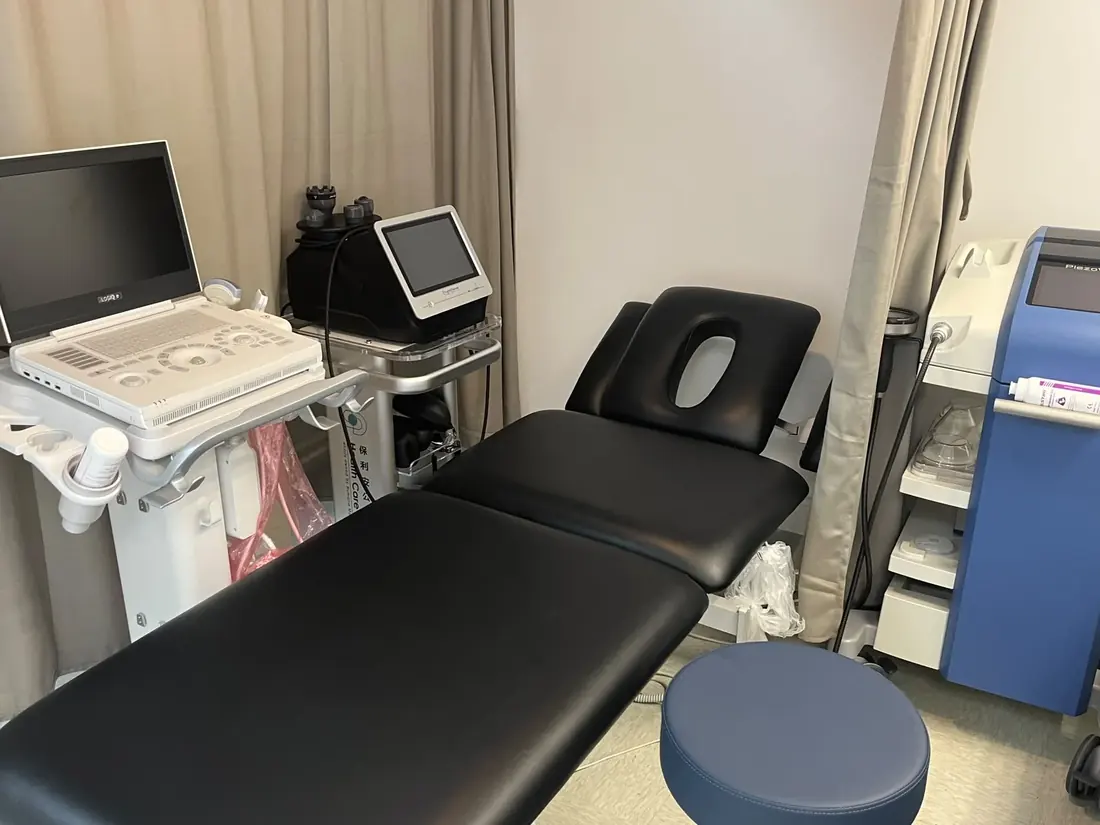
    2. 肌肉骨骼超声波(MSK Ultrasound)

    肌肉骨骼超声波可即时观察部分肩部软组织,包括:

    • 冈上肌、冈下肌、肩胛下肌等肩袖肌腱
    • 肩袖肌腱部分或全层撕裂的影像征象
    • 肌腱钙化及其位置
    • 肱二头肌长头肌腱
    • 肩峰下三角肌下滑囊
    • 部分动态活动时的软组织变化

    超声波不涉及辐射,并可在检查过程中配合部分肩关节动作,观察相关结构。

    对怀疑肩袖病变或钙化性肌腱炎的患者,超声波可以是有价值的辅助评估工具。

    不过,超声波的诊断准确度受检查者技术及病变类型影响,亦不能完整评估所有关节内结构。

    3. 磁力共振(MRI)

    MRI 能够提供更全面的肩部软组织及部分深层关节结构资讯。

    当怀疑严重肩袖撕裂、关节唇损伤、复杂关节内病变,或需要进行手术评估时,可能需要考虑 MRI。

    选择何种检查,应根据临床问题决定。

    五十肩需要照超声波吗?

    五十肩主要依靠病历及临床检查诊断,特别是肩关节主动及被动活动幅度的限制。

    超声波有时可提供辅助资讯,亦可协助评估有否同时存在肩袖或其他软组织问题,但不应单靠超声波确诊或排除五十肩。

    6. 肩痛有哪些非手术治疗方法?

    肩痛的治疗取决于实际诊断,并没有一套方法适合所有患者。

    1. 针对性运动康复

    运动康复是许多肩袖相关肩痛患者的重要治疗之一。

    计划可按症状及功能需要,逐步加入:

    • 肩关节活动幅度训练
    • 肩袖肌群阻力训练
    • 肩胛骨周围肌群力量及动作控制
    • 渐进式负重及功能训练
    • 运动员专项动作及训练

    治疗不应只以疼痛是否消失作为唯一目标,亦应评估患者是否能够重新承受工作、家务或运动所需要的负荷。

    2. 手法治疗及关节松动

    对部分肩痛患者,关节松动术、软组织治疗及相关手法,可作为综合保守治疗的一部分,帮助短期缓解疼痛及改善活动。

    治疗可涉及肩关节及肩胛带,亦应在有相应临床发现时评估颈椎及胸椎的影响。

    3. 聚焦式冲击波治疗(Focused Shockwave Therapy)

    2025 年临床指引指出,钙化性肩袖肌腱病变可考虑冲击波治疗,但不建议用于非钙化性肩袖肌腱病变。是否适用须经评估。参考 1

    4. 激光治疗(Laser Therapy)

    激光可用于部分钙化性肩袖肌腱病变,但这不代表所有仪器或肩痛类型都有相同疗效。参考 1

    5. 药物、注射及其他医疗处理

    部分疼痛较严重或功能明显受限的患者,可能需要由医生评估是否适合使用止痛药、抗炎药物、局部注射或其他医疗处理。

    例如,部分五十肩患者可在医生评估后考虑关节内类固醇注射,并配合合适的活动训练。

    若出现急性严重肩袖撕裂、持续明显肌力下降,或经适当非手术治疗后仍存在严重功能障碍,便可能需要骨科或运动医学专科评估。

    7. 什么情况下肩痛需要立即求医?

    虽然不少肩痛属肌肉骨骼问题,但以下情况需要特别注意。

    应尽快接受紧急医疗评估:

    • 跌倒、碰撞或运动创伤后,肩部明显变形、剧痛或无法活动
    • 肩部突然出现明显红肿、发热,并伴随发烧或全身不适
    • 肩痛伴随新出现或持续恶化的上肢无力、麻木或感觉丧失
    • 肩部出现剧烈疼痛,而症状与一般活动性肩痛明显不同

    如肩痛同时伴随胸口压迫、呼吸困难、冒冷汗、晕厥或其他疑似心脏病症状,应立即致电香港紧急求助电话 999。

    此外,若疼痛持续加剧、夜间不断痛醒、伴随不明原因体重下降,或有癌症病史,亦应及早接受医疗评估。

    8. 铜锣湾脊医诊所如何评估肩痛?

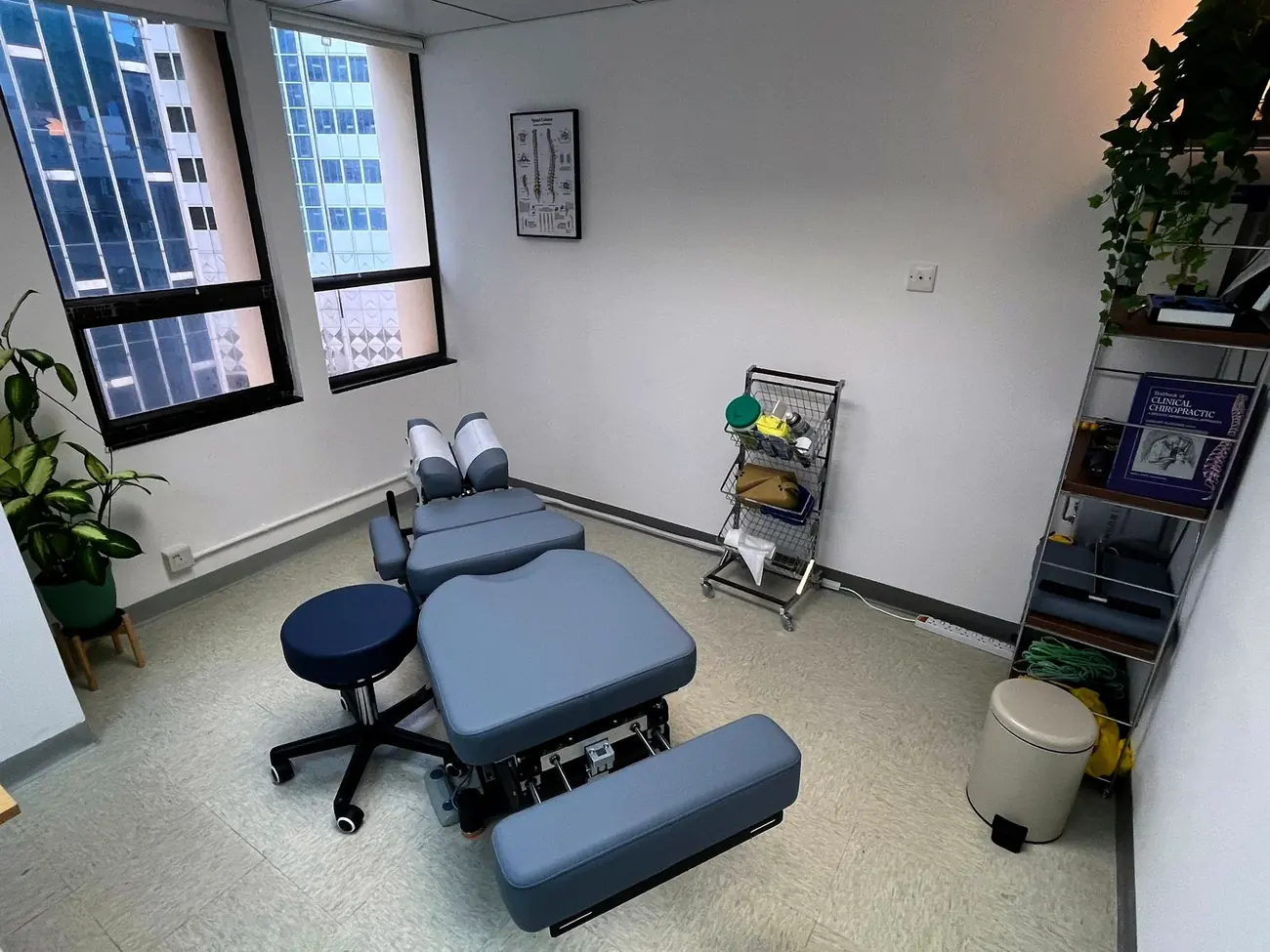
    铜锣湾脊医诊所由香港脊骨神经科医学院基金有限公司营运,提供肌肉骨骼评估、治疗及运动康复服务。

    脊医会根据患者的症状、病历及活动需要,进行适当的肩部检查,并考虑是否存在颈椎或其他神经系统问题。

    1. 病历及临床检查

    评估包括:

    • 疼痛位置、发病时间及受伤机制
    • 肩关节主动及被动活动幅度
    • 肩袖及相关肌群的肌力
    • 针对性的骨科检查
    • 颈椎及神经系统筛查
    • 工作、运动及日常活动的功能限制

    2. 按临床需要使用肌肉骨骼超声波

    当怀疑肩袖肌腱病变、肌腱撕裂、钙化或滑囊问题时,可按需要考虑肌肉骨骼超声波作为辅助评估工具。

    超声波结果须结合临床症状及体格检查解读。

    3. 制定个人化治疗及康复计划

    如适合接受非手术治疗,计划可包括肩关节手法治疗、软组织处理、渐进式力量训练及负荷管理。

    对特定肩袖钙化性肌腱病变患者,亦可在评估后考虑聚焦式冲击波等辅助治疗。

    对需要恢复运动的患者,康复过程亦会考虑肩部力量、活动幅度、负荷耐受程度及专项运动需求。

    治疗目标不只是减少疼痛,更是帮助患者逐步恢复工作、日常生活及运动能力。

    若检查结果显示可能需要进一步影像检查、注射治疗或专科处理,则会建议适当转介。

    9. 肩痛常见问题 FAQ

    Q1:肩痛是不是五十肩?

    不是。五十肩只是肩痛的其中一种原因。肩袖肌腱病变、肩袖撕裂、肩锁关节问题、钙化性肌腱炎及颈椎神经问题,都可能引起肩痛。需要根据病历及临床检查判断。

    Q2:手举高肩部痛,是不是肩袖撕裂?

    未必。举高手臂疼痛常见于肩袖相关肩痛,但不代表一定存在撕裂。若在受伤后突然出现明显无力或无法抬手,应及早评估有否严重肩袖撕裂或其他创伤。

    Q3:五十肩不治疗会自己好吗?

    部分五十肩患者会随时间逐渐改善,但恢复过程可能持续数月至数年,而且不是每位患者都能完全恢复原有活动幅度。适当的疼痛管理及运动康复有助维持功能,必要时亦可考虑其他医疗选择。

    Q4:夜晚肩痛是否代表病情严重?

    夜间肩痛可出现在五十肩、肩袖肌腱病变等多种情况。疼痛时间本身不能判断损伤程度,但持续恶化或伴随全身警号的夜间痛应接受医疗评估。

    Q5:肩袖撕裂一定需要做手术吗?

    部分患者透过适当的康复及非手术治疗,亦能改善疼痛及功能。但如果是急性创伤性撕裂、较大范围的全层撕裂,或出现明显肌力及功能下降,便可能需要及早接受骨科评估。

    Q6:肩痛应该照超声波还是 MRI?

    取决于怀疑的病变。超声波适合评估不少肩袖肌腱及钙化问题。MRI 则能提供更全面的关节内及深层结构资讯。没有危险警号的肩痛,通常先以病历及临床检查决定是否需要影像检查。

    Q7:肩痛应该拉筋还是做力量训练?

    没有一套运动适合所有患者。肩袖相关肌腱病变通常重视渐进式肌力训练。五十肩则需要根据疼痛及僵硬阶段安排活动度训练。若伸展导致明显疼痛加剧,应调整练习。

    Q8:肩痛可以做冲击波治疗吗?

    部分钙化性肩袖肌腱病变患者可以考虑冲击波治疗。2025 年临床指引不建议将冲击波用于非钙化性肩袖肌腱病变。参考 1

    Q9:肩痛伴随手麻,是不是颈椎有问题?

    有可能。若疼痛由颈部延伸至肩部、手臂或手指,并伴随麻木、刺痛或无力,需要评估颈椎神经根及周边神经是否受影响。部分患者亦可能同时存在肩部及颈椎问题。

    Q10:肩痛什么时候应该找专业人士检查?

    如果肩痛持续未有改善、反复影响睡眠或工作、限制举手及穿衣等日常动作,或明显影响运动能力,便值得安排专业评估。如出现急性严重创伤、明显肌力下降或其他危险警号,应优先寻求适当医疗服务。

    10. 预约肩痛评估

    如果肩部痛已经影响日常活动、睡眠或运动表现,或希望了解自己是否患上五十肩、肩袖病变或其他肩关节问题,可以向铜锣湾脊医诊所预约肌肉骨骼评估。

    诊所将根据个别临床情况,与患者讨论适当的检查、治疗及运动康复选择。

    铜锣湾脊医诊所 Causeway Bay Chiropractic Clinic

    地址:香港铜锣湾渣甸街5–19号京华中心1403–04室

    电话:2116 5931

    网上预约肩痛评估

    参考资料

    1. Desmeules F, et al. Rotator Cuff Tendinopathy Diagnosis, Nonsurgical Medical Care, and Rehabilitation: A Clinical Practice Guideline. J Orthop Sports Phys Ther. 2025;55(4):235–274.
    2. American Academy of Orthopaedic Surgeons. Rotator Cuff Tears.
    3. NHS. Frozen shoulder.
    4. NHS. Shoulder pain.
    5. American College of Radiology. Appropriateness Criteria: Chronic Shoulder Pain.

    撰文:梁明治脊医(香港注册脊医,注册编号 436) · 吕焜烺脊医(香港注册脊医,注册编号 449) · 叶兆豪脊医(香港注册脊医,注册编号 441)
    本文仅供一般健康教育,不能替代个体化临床评估。

    {{ t.hero.sub }}

    {{ t.hero.h1 }}

    {{ t.common.bookAssessment }} {{ t.common.learnPain }}
    {{ t.hero.photoAlt }}
    {{ t.hero.photoCaption }}
    {{ t.cond.eyebrow }}

    {{ t.cond.title }}

    {{ t.cond.lead }}

    {{ t.cond.all }}
    {{ t.services.eyebrow }}

    {{ t.services.title }}

    {{ t.services.lead }}

    {{ s.title }}

    {{ s.blurb }}

    {{ t.services.all }}
    {{ t.why.eyebrow }}

    {{ t.why.title }}

    {{ p.title }}

    {{ p.body }}

    {{ t.clinician.eyebrow }}

    {{ t.clinician.title }}

    {{ t.clinician.philTitle }}

    {{ t.clinician.profile }}

    {{ t.clinician.phil }}

    {{ t.clinician.responsible }} {{ author.name }} · {{ author.reg }}

    {{ t.clinics.eyebrow }}

    {{ t.clinics.title }}

    {{ t.loc.eyebrow }}

    {{ t.loc.title }}

    {{ t.loc.lead }}

    {{ t.loc.addressTitle }}

    {{ cwb.addressZh }}

    {{ cwb.addressEn }}

    {{ cwb.mtrEn }}

    {{ t.loc.nearbyTitle }}

    • {{ n.text }}
    {{ t.clinic.callLabel }} {{ t.clinic.waLabel }}
    {{ t.loc.clinicPage }}
    {{ t.faq.eyebrow }}

    {{ t.faq.title }}

    {{ t.res.allArticles }}
    {{ f.q }}

    {{ f.a }}

    {{ t.cta2.title }}

    {{ t.cta2.body }}

    {{ t.cta2.cta }}

    {{ cwb.nameZh }} · {{ cwb.nameEn }}

    {{ seoClinicHeading }}

    {{ cwb.addressEn }}

    {{ t.common.book }} {{ t.clinic.callLabel }} {{ t.clinic.waLabel }} {{ t.clinic.email }}
    {{ t.clinic.dirEyebrow }}

    {{ t.clinic.dir }}

    {{ t.clinic.walk }}

    {{ t.clinic.area }}

    1. {{ step.n }} {{ step.text }}

    {{ t.fees.title }}

    {{ t.fees.newLabel }} HK$900 · {{ t.fees.followLabel }} HK$780

    {{ t.clinic.firstEyebrow }}

    {{ t.clinic.first }}

    1. {{ step.n }} {{ step.text }}

    {{ t.clinic.gallery }}

    {{ t.clinic.altAdjust }} {{ t.clinic.altTreatment }} {{ t.clinic.altReception }}

    {{ t.insurance.title }}

    {{ t.insurance.body }}

    {{ t.faq.title }}

    {{ t.faq.homeLink }}

    {{ t.faq.homeCta }}

    {{ t.clinic.practitioners }}

    {{ t.cond.eyebrow }}

    {{ t.cond.title }}

    {{ conditionsGroupLead }}

    {{ conditionsMainTitle }}

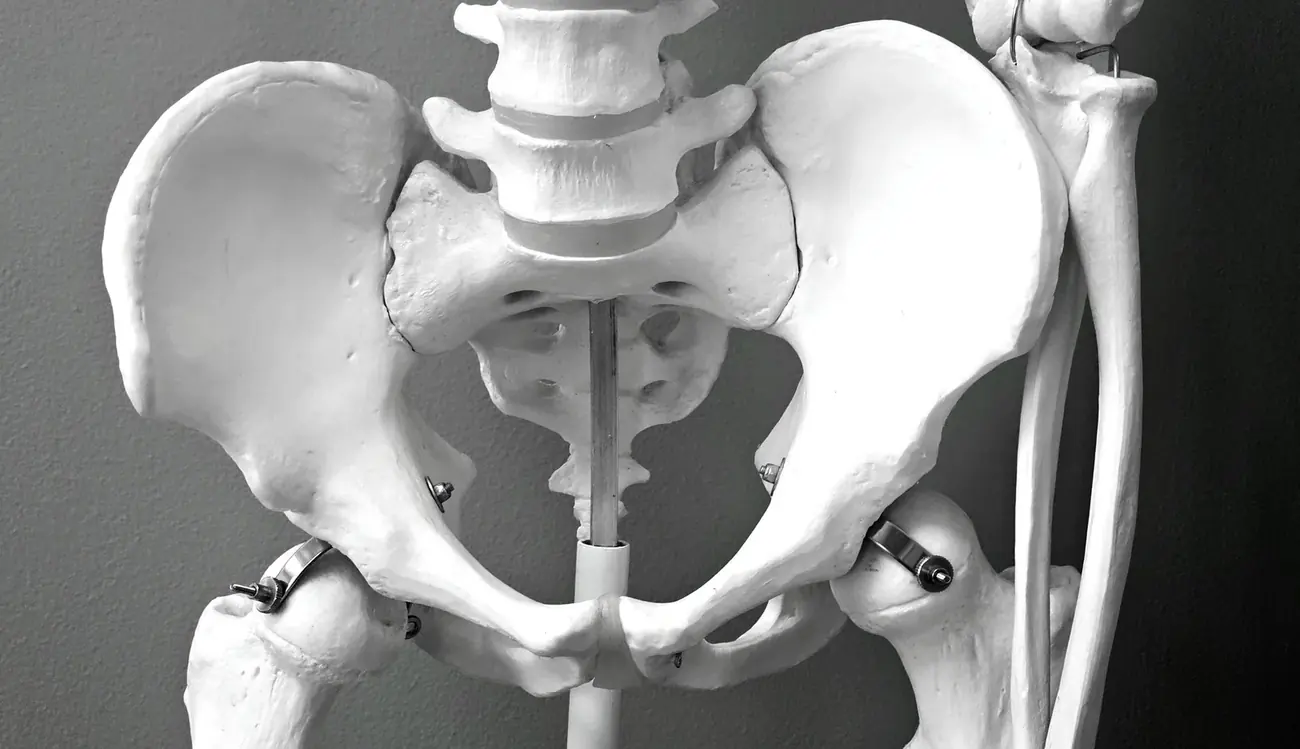
    Anatomical model of the pelvis and lumbar spine
    {{ t.approach.eyebrow }}

    {{ t.approach.title }}

    {{ t.approach.lead }}

    1. {{ s.n }}

      {{ s.title }}

      {{ s.body }}

    {{ t.approach.note }}

    {{ t.services.eyebrow }}

    {{ t.services.title }}

    {{ t.services.indexLead }}

    {{ s.title }}

    {{ s.lead }}

    銅鑼灣脊醫診所 · 健康資訊

    腰痛/腰背痛

    了解症狀,認識選擇,逐步恢復日常功能。

    腰痛/腰背痛:常見成因、舒緩方法及治療選擇

    腰痛令你起床、久坐後站起來或搬物時不自在,可以先留意哪個動作最受影響,以及疼痛有沒有延伸至腿部。多數腰痛可以從調整活動和逐步恢復運動開始處理。評估則有助分辨是否涉及神經或其他需要轉介的問題,並訂出適合你工作和生活的復康步驟。

    本頁目錄

    一、腰痛有哪些常見成因?

    腰痛是一種症狀,不是單一診斷。大部分人在檢查後找不到可明確指出的嚴重疾病或單一受傷組織,這稱為非特異性腰痛(non-specific low back pain)。症狀的走向、腿部感覺和活動變化,比猜測某一塊肌肉是否「錯位」更能幫助決定下一步。

    1. 活動和軟組織相關的疼痛

    搬重物、突然增加運動量或維持同一姿勢後,腰部可能痠痛、繃緊,彎腰或轉身也不舒服。肌肉緊繃有時是疼痛後的保護反應。評估會看哪些動作受限、如何逐步恢復,而不只摸哪裡最緊。

    2. 椎間盤和神經症狀

    椎間盤協助分散腰椎負荷。如果神經根受到刺激,疼痛、麻痺或刺痛可沿臀部延伸至腿部。影像上有突出的人也可能完全沒有症狀,所以要把症狀位置、肌力和感覺檢查與影像一起理解。

    3. 關節、骨盆和步行時的疼痛

    有些人主要在後仰、轉身或單腳負重時疼痛,另一些人站立或走一段路後會出現腿痛、麻痺,坐下或前傾才緩解。這些表現會引導腰部、骨盆和神經系統的評估,也有助選擇活動調整或醫療轉介。單一動作測試通常不足以確認疼痛來自某個關節。

    二、久坐腰痛可以怎樣調整?

    先找一個舒服、方便轉換的坐姿,再讓身體定時有機會活動。長時間維持同一姿勢,可能比姿勢是否「標準」更值得處理。

    工作時可調整椅背和腰部承托(lumbar support),讓雙腳有穩定支撐。開會、接電話或完成一段工作後,可以站起來走幾步,或換一個坐姿。這些是可按工作節奏調整的方法,毋須硬性每隔固定分鐘起身。

    如果坐後起身仍困難,可以比較同一張椅子起身時的感覺、坐多久才開始不適,以及步行後有沒有改善。持續影響工作時,評估可看看髖腰活動、腿部症狀和日常負荷,再安排合適練習。

    三、腰痛和坐骨神經痛有甚麼分別?

    腰痛主要在下背部,坐骨神經痛則通常沿臀部走向一側腿部,有時伴隨麻痺、刺痛或肌力下降。痛楚伸延到臀部或大腿,未必就是神經受壓。

    評估會問疼痛走到哪裡、腿部力量有沒有變化,再按需要檢查感覺、反射和活動時的症狀。這些資料有助分辨一般腰痛與較可能涉及神經根的情況,決定是先調整活動、安排復康,還是需要進一步醫療評估。

    如腳部無力持續加重,應盡快接受醫療評估。如同時出現大小便控制變化或會陰麻木,則應立即前往急症室。

    四、突然腰痛應如何舒緩?

    沒有危險警號的突然腰痛,可以先從短時間、較容易完成的日常活動開始。慢慢起身、在家中或附近走一小段,之後按當天和翌日的反應調整。2025 年 Cochrane 回顧指出,對急性腰痛,維持活動的建議相比臥床休息,較可能帶來小幅的疼痛及活動改善。(參考 2)

    1. 保留能做到的活動

    可把較吃力的家務或搬物分成幾段,暫時減輕重量或縮短時間,再逐步加回來。短暫休息可以,但整天臥床會令恢復日常活動更困難。

    2. 選擇舒服的舒緩方法

    熱敷可能短暫減輕僵硬;有些人則較喜歡冷敷。用毛巾隔開皮膚,避免過熱或過冷,選擇令你較容易活動的方法。

    3. 用翌日反應調整步伐

    若某個動作之後疼痛明顯持續加劇,可先減少幅度、重量或次數,再逐步嘗試。若症狀越來越重、腿部無力或出現下文的危險警號,應重新評估或按警號求醫。

    五、甚麼情況下腰痛需要立即求醫?

    新出現排尿困難或大小便控制變化、會陰或肛門周圍麻木,以及雙腿明顯或迅速惡化的無力,都要立即前往急症室。嚴重創傷後懷疑骨折亦應緊急處理。這些情況需要排查嚴重神經或脊椎問題,不應等待一般門診預約。(參考 4)

    若腰痛伴隨發燒、不明原因體重下降、癌症病史,或腿部神經症狀持續加重,也應盡快接受醫療評估。求醫時可說明症狀開始時間及最近的變化。

    六、腰痛需要照 X 光或 MRI 嗎?

    影像檢查要回答一個會改變處理方向的問題。沒有危險警號的一般腰痛,通常先根據病歷和檢查安排護理,毋須例行照 X 光或 MRI。NICE 指引亦按這個原則建議。(參考 1)

    影像可見椎間盤退化或突出,但同類變化也可能出現在沒有腰痛的人身上。臨床上要把報告與疼痛位置、腿部力量及感覺變化一起看。

    如懷疑骨折、感染、癌症或嚴重神經壓迫,或檢查結果會決定專科治療,醫生可按情況安排合適影像。這樣做有助把檢查用在真正需要改變下一步的時候。

    七、腰痛有哪些治療方法?

    治療會按腰痛持續多久、哪些日常動作受影響,以及你想恢復甚麼活動來安排。教育、合適運動和逐步恢復生活負荷,是可主動參與的核心部分。

    1. 運動復康怎樣開始?

    持續或反覆腰痛可從能完成的步行、腰髖活動或簡單肌力練習開始,再因應工作、照顧家人或運動需要,逐步增加難度。2025 年 Cochrane 回顧發現,對慢性非特異性腰痛,運動相比沒有治療或一般照顧,較可能改善疼痛,活動能力亦有小幅改善。練習可按喜好和反應調整,毋須依賴一套人人相同的動作。(參考 2)

    2. 手法治療可以如何配合?

    對部分適合的患者,脊椎手法或關節鬆動可作為舒緩症狀、協助開始活動的選項。2026 年 Cochrane 回顧研究的是成年慢性腰痛,與其他保守治療相比,手法在疼痛方面可能差別不大,活動能力可能略有改善,證據信心較低。NICE 建議如選用手法,應把它放在包括運動的整體計劃內。治療前應討論可能反應、風險及個人選擇。(參考 3)(參考 1)

    3. 怎樣知道計劃有沒有幫助?

    可選一項熟悉的活動作比較,例如從同一張椅子起身、步行到地鐵站或提日常購物袋。評估後先定一個可做到的起點,再看疼痛、活動及翌日反應,逐步調整運動與工作負荷。若持續疼痛伴隨睡眠壓力或對活動的擔心,也可以把這些因素納入照顧,按需要轉介。

    八、銅鑼灣脊醫診所如何評估腰痛?

    如果腰痛反覆影響上班、睡眠或走路,評估的作用是把症狀和日常活動連起來。脊醫會先了解發作經過、疼痛和腿部症狀的位置,以及哪些動作變得困難。

    例如久坐後站起來疼痛,會按需要看起身動作、腰髖活動與腿部力量;若痛楚走向小腿,則會進一步檢查感覺、反射和肌力。檢查結果會幫助決定先教你調整活動、加入練習,是否適合配合手法,或需醫療轉介。

    之後可以用同一項日常活動比較進度,按反應增減練習。診所由香港脊骨神經科醫學院基金有限公司營運,提供肌肉骨骼評估與復康。如懷疑嚴重神經問題或其他疾病,會建議適當醫療評估。

    九、腰痛還有哪些常見問題?

    Q1:腰痛通常多久會改善?

    不少急性腰痛會在數星期內逐步改善。比起設定一個人人相同的康復期限,更有用的是留意走路、起身和工作是否一星期比一星期容易。如果改善停滯、反覆影響生活,或出現新的腿部症狀,可接受評估。

    Q2:運動時有點痛,是否應立即停下?

    可以先減慢、縮小動作幅度或減輕重量,再看當下和翌日的反應。短暫不適不一定代表受傷加重,但若疼痛持續升高、麻痺範圍擴大或腿部無力,應停止該練習並接受評估。

    Q3:早上起床腰痛,要換床褥嗎?

    先看看轉身、起床及活動一會兒後症狀怎樣變化,也留意床褥是否已失去承托。早晨僵硬可有多種原因,換床褥未必是第一步。如僵硬持續很久,伴隨夜間痛楚或其他全身症狀,宜接受醫療評估。

    主要參考資料

    1. NICE. Low back pain and sciatica in over 16s: assessment and management (NG59). www.nice.org.uk
    2. Rizzo RRN, et al. Non-pharmacological and non-surgical treatments for low back pain in adults: an overview of Cochrane reviews. Cochrane Database of Systematic Reviews. 2025. www.cochrane.org
    3. de Zoete A, et al. Spinal manipulative therapy for adults with chronic low back pain. Cochrane Database of Systematic Reviews. 2026. www.cochrane.org
    4. Cambridge University Hospitals NHS Foundation Trust. Back pain: patient information. www.cuh.nhs.uk

    葉兆豪脊醫 Dr Yip Siu Ho|香港註冊脊醫(註冊編號 441)
    本文僅供一般健康教育,不能取代個人化臨床評估。

    Causeway Bay Chiropractic Clinic · Health information

    Low back pain

    Understand your symptoms and options, and gradually restore everyday function.

    Low back pain: common causes, relief and treatment options

    If back pain makes it hard to get out of bed, stand after sitting or lift everyday items, start by noticing which movement has changed and whether pain travels into a leg. Most low back pain can be approached with manageable activity and a gradual return to exercise. Assessment helps identify nerve symptoms or other problems that need medical care, then shape rehabilitation around your work and daily life.

    On this page

    1. What are the common causes of low back pain?

    Low back pain is a symptom, not a single diagnosis. In most cases, an assessment does not identify a serious disease or one damaged tissue that fully explains it. This is called non-specific low back pain. Where the pain spreads, how strength and sensation change, and what movement is difficult guide the next step better than guessing which muscle is “out of place”.

    1. Pain linked to activity and soft tissue

    Your back may ache or feel stiff after a heavy lift, a sudden increase in exercise or a long time in one position. Tight muscles can be a protective response to pain. An assessment looks at the movements you can do and how to build them back, as well as where it feels tight.

    2. Discs and nerve symptoms

    Discs help spread loads through the lower spine. If a nerve root is irritated, pain, tingling or numbness can travel from the buttock into a leg. A disc bulge may also appear on a scan in someone with no symptoms. The report needs to be read alongside the pattern of pain and a check of leg strength and sensation.

    3. Joints, pelvis and walking-related symptoms

    Some people feel pain mainly when leaning back, turning or standing on one leg. Others develop leg pain or numbness after walking or standing, which eases when they sit or lean forward. These patterns guide examination of the back, pelvis and nerves, and help decide whether activity advice or medical review is needed. One movement test rarely identifies a joint as the definite source.

    2. How can you adjust sitting when your back hurts?

    Choose a supported position that feels comfortable, then give yourself chances to move. Staying in one position for a long time is often more useful to address than finding a supposedly perfect posture.

    Try adjusting the backrest or lumbar support so your feet can rest steadily. After a meeting, a phone call or one stretch of work, stand and walk a little or change how you sit. Fit these options around your day. There is no required number of minutes between breaks.

    If standing after sitting is still difficult, compare how it feels to rise from the same chair, how long you sit before symptoms start and whether walking helps. When pain keeps affecting work, an assessment can check back and hip movement, leg symptoms and everyday demands, then guide suitable exercises.

    3. How does low back pain differ from sciatica?

    Low back pain stays mainly in the back. Sciatica usually travels through the buttock into one leg and may come with tingling, numbness or reduced strength. Pain reaching the buttock or thigh alone does not always mean a nerve is compressed.

    An assessment asks how far symptoms travel and whether leg strength has changed. Sensation, reflexes and the response to movement may then be checked. This helps decide whether to adjust activity and start rehabilitation or arrange further medical review.

    New or worsening foot or leg weakness needs prompt medical assessment. If it comes with a change in bladder or bowel control or numbness around the genitals, go to an emergency department immediately.

    4. How can sudden low back pain be relieved?

    For sudden back pain without warning signs, begin with short, manageable periods of ordinary movement. Rise slowly, walk a little at home or nearby, then adjust according to how you feel later and the next day. A 2025 Cochrane overview found that advice to stay active probably brings small improvements in pain and function compared with bed-rest advice for acute low back pain. (ref. 2)

    1. Keep doing what you can

    Split heavy housework or lifting into smaller parts. Reduce the weight or time for now, then build it back. Short rests are fine, but staying in bed all day makes it harder to return to normal activity.

    2. Use a comfortable way to ease symptoms

    Heat may ease stiffness for a short time. Some people prefer cold. Put a cloth between the pack and your skin, avoid extreme temperatures and choose what makes movement easier.

    3. Let the next day guide the pace

    If one activity leaves pain clearly worse for longer, try a smaller movement, lighter load or fewer repetitions. Seek reassessment if symptoms keep worsening, a leg becomes weak or a warning sign below appears.

    5. When does low back pain need urgent medical attention?

    Go to an emergency department immediately if you develop new difficulty passing urine, a change in bladder or bowel control, numbness around the genitals or anus, or marked or rapidly worsening weakness in both legs. A suspected spinal fracture after a major injury also needs urgent care. These symptoms need assessment for serious nerve or spine problems. Do not wait for a routine clinic appointment. (ref. 4)

    Arrange prompt medical assessment if back pain comes with fever, unexplained weight loss, a history of cancer or worsening nerve symptoms in a leg. Tell the clinician when each symptom started and what has changed.

    6. Do you need an X-ray or MRI for low back pain?

    A scan is most useful when it can answer a question that changes care. With ordinary low back pain and no warning signs, a history and examination usually guide early care. NICE advises against routine X-rays or MRI in this situation. (ref. 1)

    A scan may show disc degeneration or a bulge in someone who has no back pain. The report needs to be considered alongside where pain occurs and whether leg strength or sensation has changed.

    When fracture, infection, cancer or severe nerve compression is suspected, or the result would guide specialist treatment, a doctor may arrange the appropriate scan. The point is to use imaging when it can change the next step.

    7. What treatment options are available?

    Care depends on how long pain has been present, which daily activities are difficult and what you want to return to. Education, suitable exercise and a gradual return to normal demands give you an active role in recovery.

    1. How do you start rehabilitation?

    For persistent or recurring pain, you might start with manageable walking, back and hip movement or simple strength work. Build the challenge towards work, caring duties or sport. A 2025 Cochrane overview found that, for chronic non-specific low back pain, exercise probably reduces pain and gives a smaller improvement in function compared with no treatment or usual care. The plan can follow your preferences and response rather than one fixed routine. (ref. 2)

    2. Where does manual therapy fit?

    Spinal manipulation or joint mobilisation may help some suitable people ease symptoms and start moving. A 2026 Cochrane review of adults with chronic low back pain found little difference in pain compared with other conservative care and a possible small improvement in function. Confidence in the evidence is low. NICE recommends manual therapy, when chosen, as part of a package that includes exercise. Discuss possible reactions, risks and your preferences before treatment. (ref. 3)(ref. 1)

    3. How can you tell whether the plan helps?

    Choose one familiar task, such as rising from the same chair, walking to the station or carrying a usual shopping bag. Set a manageable starting point, then review pain, activity and the next-day response as exercise and work demands change. If sleep, stress or worry about moving also affect recovery, these can be discussed and referred for further support when needed.

    8. How does our clinic assess low back pain?

    If back pain repeatedly affects work, sleep or walking, assessment connects the symptoms with what has become hard to do. The chiropractor asks how pain began, where it travels and which daily tasks have changed.

    For example, pain rising after sitting may prompt a look at that movement, back and hip motion and leg strength. Pain travelling to the calf may call for checks of sensation, reflexes and strength. The findings help decide whether to adjust activity, add exercise, consider manual therapy or arrange medical review.

    Progress can then be compared using the same daily task, with exercises adjusted to your response. Causeway Bay Chiropractic Clinic is operated by the Hong Kong Chiropractic College Foundation Ltd. and provides musculoskeletal assessment and rehabilitation. Suspected serious nerve or other medical problems are referred for appropriate assessment.

    9. What else do people ask about low back pain?

    Q1: How long does low back pain take to improve?

    Many acute episodes ease over several weeks. Instead of setting one deadline for everyone, notice whether walking, rising and working become easier from week to week. Assessment is sensible when progress stalls, pain repeatedly disrupts life or new leg symptoms appear.

    Q2: Should I stop if an exercise hurts a little?

    First slow down, make the movement smaller or reduce the load, then notice how you feel at the time and the next day. Brief discomfort does not always mean more damage. Stop that exercise and seek assessment if pain keeps rising, numbness spreads or a leg becomes weak.

    Q3: Does morning back pain mean I need a new mattress?

    Notice how turning, getting up and moving for a while change the pain. Also consider whether your mattress has lost its support. Morning stiffness has several possible causes, so replacing the mattress may not be the first step. Persistent prolonged stiffness, night pain or other general symptoms deserve medical assessment.

    Key references

    1. NICE. Low back pain and sciatica in over 16s: assessment and management (NG59). www.nice.org.uk
    2. Rizzo RRN, et al. Non-pharmacological and non-surgical treatments for low back pain in adults: an overview of Cochrane reviews. Cochrane Database of Systematic Reviews. 2025. www.cochrane.org
    3. de Zoete A, et al. Spinal manipulative therapy for adults with chronic low back pain. Cochrane Database of Systematic Reviews. 2026. www.cochrane.org
    4. Cambridge University Hospitals NHS Foundation Trust. Back pain: patient information. www.cuh.nhs.uk

    Dr Yip Siu Ho|Hong Kong Registered Chiropractor (Registration No. 441)
    This article offers general health education and does not replace an individual clinical assessment.

    铜锣湾脊医诊所 · 健康资讯

    腰痛/腰背痛

    了解症状,认识选择,逐步恢复日常功能。

    腰痛/腰背痛:常见成因、舒缓方法及治疗选择

    腰痛让你起床、久坐后站起来或搬东西时不舒服,可以先留意哪些动作受影响,以及疼痛是否延伸到腿部。多数腰痛可以从调整活动和逐步恢复运动开始处理。评估有助于分辨是否存在神经症状或其他需要转诊的问题,并结合工作和生活需要安排康复。

    本页目录

    一、腰痛有哪些常见成因?

    腰痛是一种症状,并非单一诊断。多数人在检查后找不到可以明确指出的严重疾病或单一受伤组织,这称为非特异性腰痛(non-specific low back pain)。疼痛延伸到哪里、腿部感觉和力量是否变化、哪些动作困难,比猜测某块肌肉是否“错位”更能帮助决定下一步。

    1. 与活动和软组织相关的疼痛

    搬重物、突然增加运动量或长时间保持同一姿势后,腰部可能酸痛、发紧,弯腰或转身也不舒服。肌肉紧绷有时是疼痛后的保护反应。评估既看哪些动作受限,也看如何逐步恢复,而不只看哪里最紧。

    2. 椎间盘和神经症状

    椎间盘帮助分散腰椎承受的力量。如果神经根受到刺激,疼痛、麻木或刺痛可能从臀部延伸到腿部。影像显示椎间盘突出的人也可能完全没有症状,因此要结合疼痛位置、腿部力量和感觉检查来理解报告。

    3. 关节、骨盆及走路时的症状

    有些人主要在后仰、转身或单脚承重时疼痛,另一些人站立或走一段路后出现腿痛、麻木,坐下或身体前倾才缓解。这些表现可以指导腰部、骨盆和神经系统的评估,并帮助选择活动调整或医疗转诊。单一动作测试通常不足以确认某个关节就是疼痛来源。

    二、久坐腰痛可以怎样调整?

    先找到有支撑、感觉舒服的坐姿,再给身体定期活动的机会。长时间保持同一姿势,往往比寻找一个“标准坐姿”更值得处理。

    可以调整椅背或腰部支撑(lumbar support),让双脚稳定着地。开完会、打完电话或完成一段工作后,站起来走一走,或者换个坐姿。按自己的工作节奏安排即可,不必强求每隔固定分钟就起身。

    如果久坐后站起来仍然困难,可以比较从同一把椅子起身时的感觉、坐多久开始不舒服,以及走动后是否改善。若持续影响工作,评估可以查看腰髋活动、腿部症状和日常负荷,再安排适合的练习。

    三、腰痛和坐骨神经痛有什么分别?

    一般腰痛主要在下背部,坐骨神经痛则通常经过臀部延伸到一侧腿部,有时伴随麻木、刺痛或力量下降。疼痛延伸到臀部或大腿,并不一定说明神经受到压迫。

    评估会了解疼痛延伸到哪里、腿部力量是否变化,再按需要检查感觉、反射以及活动时症状的变化。这有助于决定先调整活动和开始康复,还是安排进一步医疗评估。

    如果脚或腿的力量持续下降,应尽快接受医疗评估。如同时出现大小便控制变化或会阴麻木,应立即前往急诊室。

    四、突然腰痛应如何舒缓?

    没有危险信号的突然腰痛,可以先从时间较短、比较容易完成的日常活动开始。慢慢起身,在家里或附近走一小段,再根据当天和第二天的反应调整。2025 年 Cochrane 回顾发现,对于急性腰痛,保持活动的建议与卧床休息的建议相比,更可能带来小幅的疼痛和活动改善。(参考 2)

    1. 保留能完成的活动

    可以把较费力的家务或搬物分成几段,暂时减轻重量或缩短时间,之后逐步增加。短暂休息可以,但整天卧床会让恢复日常活动更加困难。

    2. 选择让自己更舒服的方法

    热敷可能短暂缓解僵硬,有些人则更喜欢冷敷。用毛巾隔开皮肤,避免过热或过冷,选择能让你更容易活动的方法。

    3. 参考第二天的反应调整进度

    如果某个动作后疼痛明显持续加重,可以先缩小幅度、减轻重量或减少次数,再逐步尝试。症状不断加重、腿部无力或出现下文的危险信号时,应重新评估或及时就医。

    五、什么情况下腰痛需要立即求医?

    新出现排尿困难、大小便控制变化、会阴或肛门周围麻木,或者双腿明显或迅速加重的无力,应立即前往急诊室。严重外伤后怀疑脊柱骨折,也需要紧急处理。这些表现需要排查严重的神经或脊柱问题,不能等待普通门诊预约。(参考 4)

    腰痛伴随发热、不明原因体重下降、癌症病史,或腿部神经症状持续加重时,也应尽快接受医疗评估。就医时可以说明每项症状何时出现、最近怎样变化。

    六、腰痛需要照 X 光或 MRI 吗?

    影像检查最有价值的时候,是结果能够改变处理方向。没有危险信号的一般腰痛,通常先通过病史和临床检查安排治疗,无需常规拍 X 光片或做 MRI。NICE 指南也建议遵循这一原则。(参考 1)

    影像上可能看到椎间盘退变或突出,但没有腰痛的人也可能有类似变化。需要结合疼痛位置、腿部力量和感觉变化理解报告。

    若怀疑骨折、感染、癌症或严重神经压迫,或者检查结果会影响专科治疗,医生可以按情况安排合适的影像检查。这样才能把检查用在真正会改变下一步决策的时候。

    七、腰痛有哪些治疗方法?

    治疗方案要结合腰痛持续的时间、哪些日常动作受影响,以及你希望恢复的活动。了解疼痛、进行适合的运动并逐步恢复日常负荷,让你能主动参与康复。

    1. 运动康复怎样开始?

    持续或反复腰痛可以从能够完成的步行、腰髋活动或简单力量练习开始,再根据工作、照顾家人或运动的需要逐步增加难度。2025 年 Cochrane 回顾发现,对于慢性非特异性腰痛,运动与不治疗或一般照护相比,更可能改善疼痛,活动能力也有小幅改善。练习可以根据喜好和身体反应调整,不必套用人人相同的动作。(参考 2)

    2. 手法治疗可以怎样配合?

    对于部分适合的患者,脊柱手法或关节松动可以作为缓解症状、帮助开始活动的选择。2026 年 Cochrane 回顾研究的是成年慢性腰痛患者,与其他保守治疗相比,手法治疗在疼痛方面可能差别不大,活动能力可能略有改善,但证据信心较低。NICE 建议如采用手法治疗,应将其纳入包括运动的整体计划。治疗前还应讨论可能出现的反应、风险和个人选择。(参考 3)(参考 1)

    3. 怎样判断计划是否有帮助?

    可以选一项熟悉的活动作比较,例如从同一把椅子站起来、走到地铁站或提平时的购物袋。先确定一个能做到的起点,再观察疼痛、活动和第二天的反应,逐步调整运动与工作负荷。如果睡眠、压力或对活动的担忧也影响康复,可以一并讨论,按需要转诊。

    八、铜锣湾脊医诊所如何评估腰痛?

    如果腰痛反复影响工作、睡眠或走路,评估的作用是把症状和实际困难联系起来。脊医会先了解疼痛怎样开始、延伸到哪里,以及哪些日常活动变得困难。

    例如久坐后站起时疼痛,可以按需要观察起身动作、腰髋活动和腿部力量。如果疼痛延伸到小腿,则需要进一步检查感觉、反射和肌力。结果有助于决定先调整活动、加入练习、是否适合配合手法,或安排医疗转诊。

    之后可以用同一项日常活动比较进度,并按反应调整练习。铜锣湾脊医诊所由香港脊骨神经科医学院基金有限公司营运,提供肌肉骨骼评估与康复。如怀疑严重神经问题或其他疾病,会建议接受相应医疗评估。

    九、关于腰痛,还有哪些常见问题?

    Q1:腰痛一般多久会改善?

    不少急性腰痛会在几周内逐步改善。与其设定所有人都一样的康复期限,不如留意走路、起身和工作是否一周比一周容易。改善停滞、疼痛反复影响生活,或者出现新的腿部症状时,可以接受评估。

    Q2:运动时有点痛,需要马上停下吗?

    可以先放慢速度、缩小动作幅度或减轻重量,再观察当时和第二天的反应。短暂不适不一定代表损伤加重,但若疼痛持续上升、麻木范围扩大或腿部无力,应停止这项练习并接受评估。

    Q3:早上起床腰痛,需要换床垫吗?

    先观察翻身、起床和活动一会儿后症状怎样变化,也留意床垫是否已失去支撑。晨起僵硬可能有多种原因,换床垫未必是第一步。如果僵硬持续较久,并伴随夜间疼痛或其他全身症状,应接受医疗评估。

    主要参考资料

    1. NICE. Low back pain and sciatica in over 16s: assessment and management (NG59). www.nice.org.uk
    2. Rizzo RRN, et al. Non-pharmacological and non-surgical treatments for low back pain in adults: an overview of Cochrane reviews. Cochrane Database of Systematic Reviews. 2025. www.cochrane.org
    3. de Zoete A, et al. Spinal manipulative therapy for adults with chronic low back pain. Cochrane Database of Systematic Reviews. 2026. www.cochrane.org
    4. Cambridge University Hospitals NHS Foundation Trust. Back pain: patient information. www.cuh.nhs.uk

    叶兆豪脊医 Dr Yip Siu Ho|香港注册脊医(注册编号 441)
    本文仅供一般健康教育,不能替代个体化临床评估。
    {{ further.ui.eyebrow }}

    {{ further.ui.region }}

    {{ further.ui.hero }}

    {{ editorial.ui.eyebrow }}

    {{ editorial.ui.region }}

    {{ editorial.ui.hero }}

    {{ editorial.title }}

    {{ editorial.classCaption }}

    {{ run.text }}{{ run.text }}{{ run.text }}

    {{ editorial.summaryTitle }}

    1. {{ point }}
    {{ editorial.ui.contents }}
    {{ chapter.classPhotoCaption }}
    {{ chapter.classPhotoCaption }}
    {{ block.alt }}
    {{ block.caption }}
    {{ block.alt }}

    {{ block.date }}

    {{ block.title }}

    {{ block.description }}

    {{ block.title }}
    {{ block.header0 }}{{ block.header1 }}
    {{ block.cell0_0 }}{{ block.cell0_1 }}
    {{ block.cell1_0 }}{{ block.cell1_1 }}
    {{ block.cell2_0 }}{{ block.cell2_1 }}
    {{ block.cell3_0 }}{{ block.cell3_1 }}
    {{ block.cell4_0 }}{{ block.cell4_1 }}
    {{ block.title }}
    {{ block.header0 }}{{ block.header1 }}
    {{ block.cell0_0 }}{{ block.cell0_1 }}
    {{ block.cell1_0 }}{{ block.cell1_1 }}
    {{ block.cell2_0 }}{{ block.cell2_1 }}
    {{ block.cell3_0 }}{{ block.cell3_1 }}
    {{ block.cell4_0 }}{{ block.cell4_1 }}
    {{ block.cell5_0 }}{{ block.cell5_1 }}
    {{ block.cell6_0 }}{{ block.cell6_1 }}
    {{ block.title }}
    {{ block.header0 }}{{ block.header1 }}{{ block.header2 }}
    {{ block.cell0_0 }}{{ block.cell0_1 }}{{ block.cell0_2 }}
    {{ block.cell1_0 }}{{ block.cell1_1 }}{{ block.cell1_2 }}
    {{ block.cell2_0 }}{{ block.cell2_1 }}{{ block.cell2_2 }}
    {{ block.cell3_0 }}{{ block.cell3_1 }}{{ block.cell3_2 }}
    {{ block.cell4_0 }}{{ block.cell4_1 }}{{ block.cell4_2 }}
    {{ block.cell5_0 }}{{ block.cell5_1 }}{{ block.cell5_2 }}

    {{ block.caption }}

    {{ block.text }}{{ block.text }}

    {{ block.text }}{{ block.text }}

    {{ run.text }}{{ run.text }}{{ run.text }}

    {{ editorial.ui.references }}

    1. {{ ref.label }}{{ ref.label }}

    {{ editorial.ui.further }}

    {{ editorial.ui.back }}

    {{ editorial.ui.bookTitle }}

    {{ editorial.ui.bookText }}

    {{ editorial.ui.book }}

    {{ person.name }}{{ person.separator }}
    {{ editorial.ui.disclaimer }}

    {{ detailCondition.titleZh }}

    {{ detailCondition.titleEn }}

    {{ detailContent.lead }}

    {{ t.detail.h2a }}

    {{ detailContent.a }}

    {{ t.detail.h2b }}

    • {{ item }}

    {{ t.detail.h2c }}

    {{ detailContent.c }}

    {{ t.detail.h2d }}

    {{ t.detail.d }}

    {{ t.detail.h2e }}

    • {{ item }}

    {{ t.clinician.responsible }} {{ author.name }} · {{ author.reg }}

    {{ refsTitle }}

    1. {{ r.n }} {{ r.label }}

    {{ t.detail.ctaTitle }}

    {{ t.detail.ctaBody }}

    {{ t.common.book }}

    {{ t.detail.related }}

    {{ profile.u.back }}
    {{ profile.name }}
    {{ t.team.eyebrow }}

    {{ t.team.title }}

    {{ t.team.pageLead }}

    {{ t.team.note }}

    {{ t.about.eyebrow }}

    {{ t.about.title }}

    {{ t.about.lead }}

    {{ t.about.loopTitle }}

    {{ stepItem.n }}

    {{ stepItem.title }}

    {{ stepItem.body }}

    {{ t.about.charityLine }}

    {{ t.about.scholarTitle }}

    {{ t.about.scholarBody }}

    The chiropractic college campus where HKCCF scholarship recipients study HKCCF scholarship aim: nurture more chiropractor talents to serve the local public
    {{ t.about.partnerTbc }} {{ t.charity.support }} {{ t.about.moreLabel }}
    Hong Kong Chiropractic College Foundation 香港脊骨神經科醫學院基金

    {{ t.about.sponsorTitle }}

    {{ t.about.sponsorBody }}

    {{ t.support.eyebrow }}

    {{ t.support.title }}

    {{ t.support.lead }}

    {{ way.title }}

    {{ way.body }}

    {{ t.support.donate }} {{ t.support.contact }}

    {{ t.support.moreLead }} {{ t.support.moreFund }} · {{ t.support.moreActivities }}

    {{ t.partner.eyebrow }}

    {{ t.partner.title }}

    {{ t.partner.lead }}

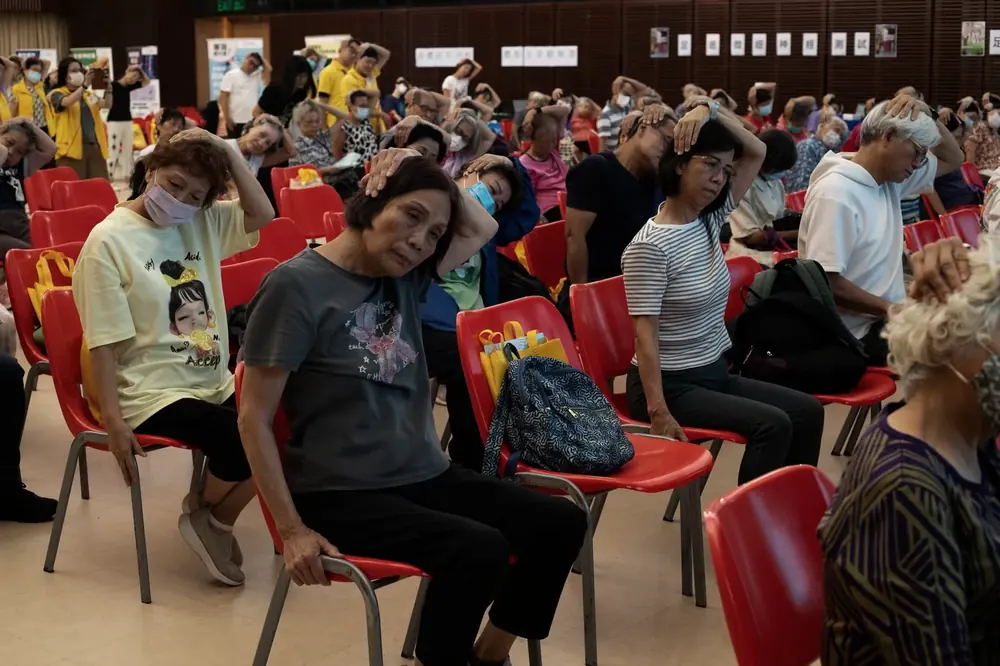
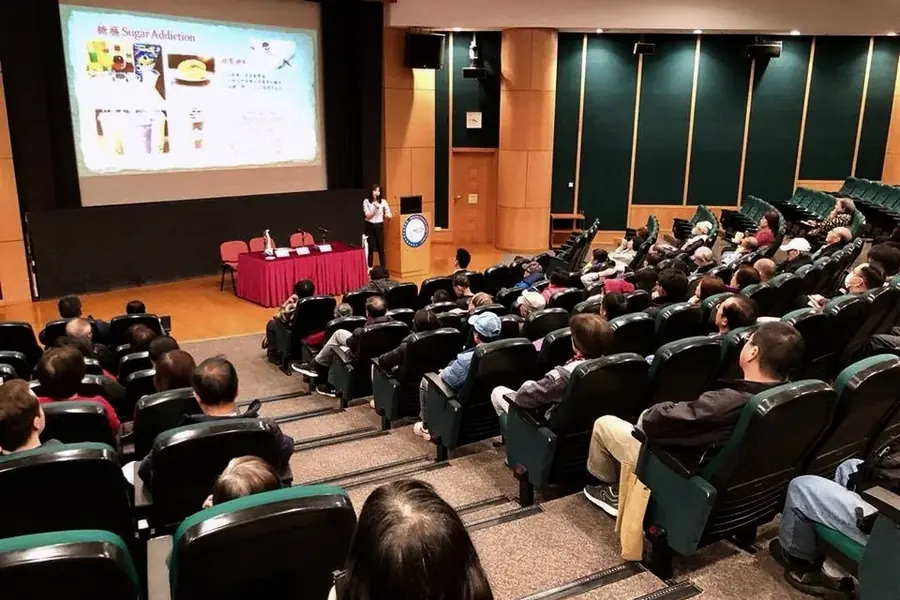
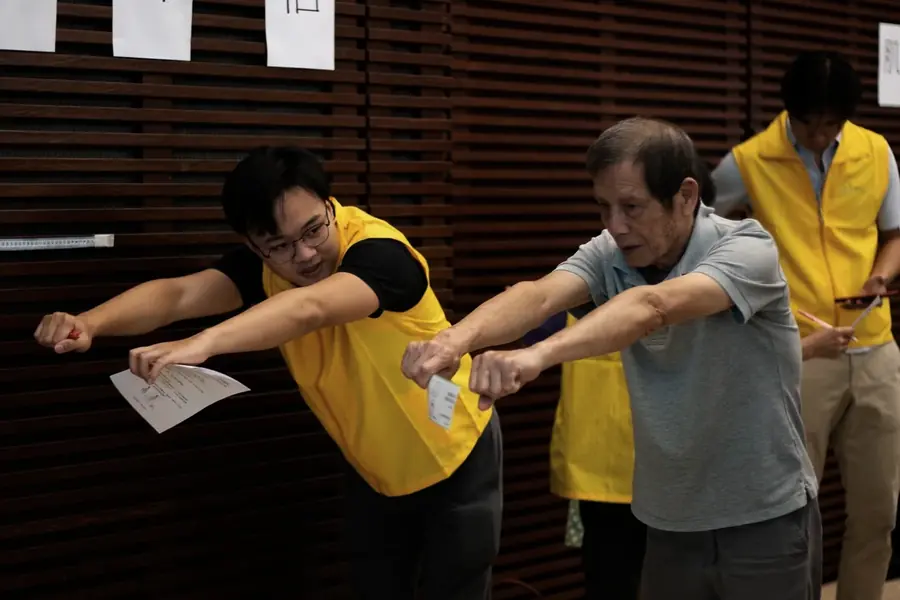
    A chiropractor measuring a participant shoulder range of motion at an HKCCF community health day Participants following a seated neck stretch at an HKCCF community health event A full lecture theatre at an HKCCF public health talk

    {{ way.title }}

    {{ way.body }}

    {{ t.partner.collabEyebrow }}

    {{ t.partner.collabTitle }}

    {{ t.partner.collabLead }}

    香港社區組織協會Society for Community Organization
    香港小童群益會Boys and Girls Clubs Association
    基督教香港信義會ELCHK Chung On Elderly Centre
    香港聖公會福利協會HKSKH Welfare Council
    中華基督教會香港區會Church of Christ in China, HK
    尖沙咀街坊福利會TST Kaifong Welfare Association
    播道書院Evangel College
    庇理羅士女子中學Belilios Public School
    新鴻基中心Sun Hung Kai Centre
    永義(香港)有限公司Wing Yee (Hong Kong) Ltd
    聖雅各福群會St. James' Settlement
    香港浸信教會Hong Kong Baptist Church
    {{ t.partner.contactLabel }}

    cwbinfo@hkccf.org.hk

    {{ t.partner.charityLine }}

    {{ t.fees.title }}

    {{ t.fees.newLabel }} HK$900 · {{ t.fees.followLabel }} HK$780

    {{ t.book.eyebrow }}

    {{ t.book.title }}

    {{ t.book.lead }}

    {{ cwb.nameZh }}

    {{ cwb.tel }} · {{ cwb.whatsapp }}

    {{ wc.nameZh }}

    {{ wc.whatsapp }}

    {{ t.fees.title }}

    {{ t.fees.newLabel }} HK$900 · {{ t.fees.followLabel }} HK$780

    {{ t.fees.eyebrow }}

    {{ t.fees.title }}

    {{ t.fees.pageLead }}

    {{ t.fees.effectiveDate }}

    {{ seoLocal.feesHeading }}

    {{ seoLocal.feesBody }}

    {{ seoLocal.receipt }}

    {{ seoLocal.feesLinks }}

    {{ t.fees.catChiro }}

    {{ row.nameEn }} {{ row.nameZh }} {{ row.priceText }}

    {{ t.fees.catRehab }}

    {{ t.fees.catRehabNote }}

    {{ row.nameEn }} {{ row.nameZh }} {{ row.priceText }}

    {{ t.fees.catBrace }}

    {{ row.nameEn }} {{ row.nameZh }} {{ row.priceText }}

    {{ t.fees.catOrthoses }}

    {{ row.nameEn }} {{ row.nameZh }} {{ row.priceText }}

    {{ t.fees.catBone }}

    {{ row.nameEn }} {{ row.nameZh }} {{ row.priceText }}

    {{ t.fees.note }}

    {{ t.common.book }}
    {{ t.equipment.eyebrow }}

    ← {{ equipmentBackLabel }}

    {{ t.equipment.title }}

    {{ t.equipment.lead }}

    {{ ultrasound.alt }}

    {{ ultrasound.title }}

    {{ ultrasound.subtitle }}
    {{ ultrasound.eyebrow }}

    {{ ultrasound.intro }}

    {{ section.h }}

    {{ section.p }}

    {{ ultrasound.applicationsTitle }}

    • {{ item }}

    {{ ultrasound.limit }}

    {{ ultrasound.summary }}

    {{ equipmentViewLabel }} →

    {{ dev.alt }}

    {{ dev.nameEn }}

    {{ dev.nameZh }}
    {{ dev.dev }}

    {{ dev.bodyZh }}

    {{ dev.usesZh }}

    {{ dev.noteZh }}

    {{ dev.bodyEn }}

    {{ equipmentViewLabel }} →

    {{ t.equipment.note }}

    {{ t.common.bookAssessment }}

    {{ svcPage.title }}

    {{ svcPage.lead }}

    {{ t.detail.h2a }}

    {{ svcPage.what }}

    {{ svcPage.goodForTitle }}

    • {{ g.text }}

    {{ svcPage.sessionTitle }}

    {{ svcPage.session }}

    {{ svcPage.limitsTitle }}

    {{ svcPage.limits }}

    {{ t.clinician.responsible }} {{ author.name }} · {{ author.reg }}

    {{ refsTitle }}

    1. {{ r.n }} {{ r.label }}

    {{ t.services.ctaTitle }}

    {{ t.services.ctaBody }}

    {{ t.common.bookAssessment }}

    {{ svcPage.relatedTitle }}

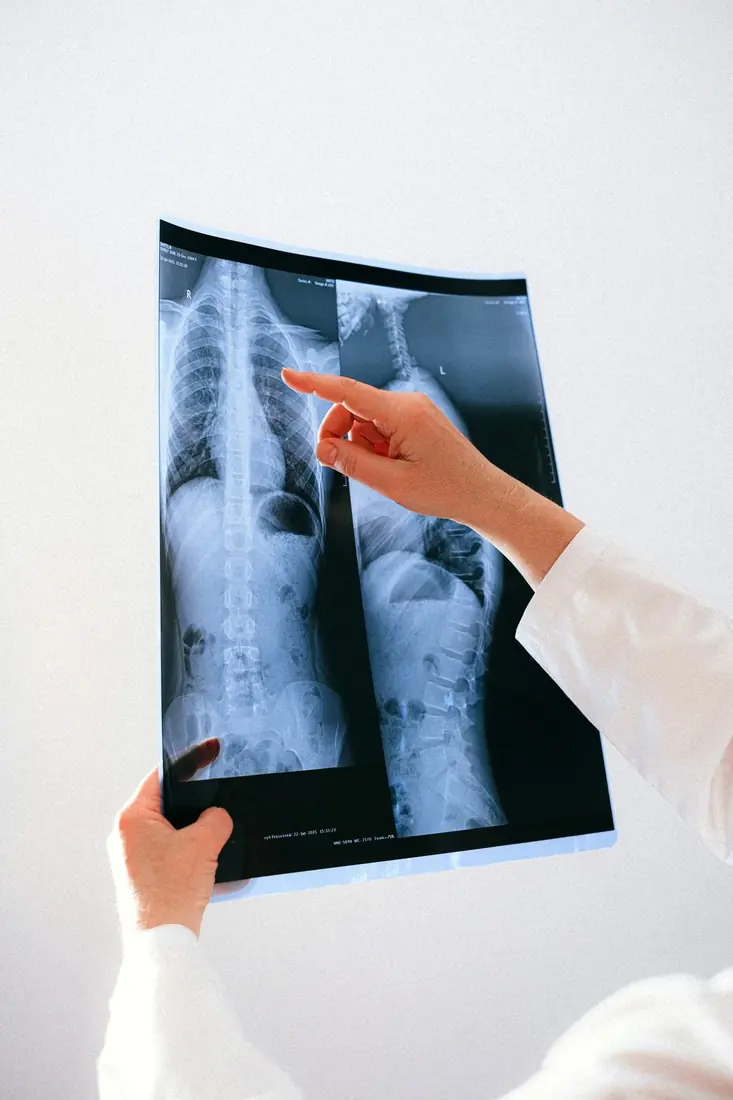
    Spinal X-ray films being reviewed
    {{ t.res.eyebrow }}

    {{ t.res.title }}

    {{ t.res.lead }}

    {{ a.cat }} {{ a.read }}

    {{ a.title }}

    {{ a.lead }}

    {{ art.cat }} {{ art.read }}

    {{ art.title }}

    {{ art.lead }}

    {{ t.res.byline }}

    {{ author.name }} · {{ author.nameOther }}

    {{ author.reg }}

    {{ s.h }}

    {{ s.p }}

    {{ t.res.takeaways }}

    • {{ k.text }}

    {{ refsTitle }}

    1. {{ r.n }} {{ r.label }}
    {{ t.res.notice }}

    {{ t.detail.ctaTitle }}

    {{ t.detail.ctaBody }}

    {{ t.common.bookAssessment }}

    {{ t.res.related }}

    {{ t.res.more }}

    {{ a.read }}

    {{ t.privacy.eyebrow }}

    {{ t.privacy.title }}

    {{ t.privacy.updated }}

    {{ t.privacy.lead }}

    {{ t.privacy.collectH }}

    {{ t.privacy.collectLead }}

    • {{ pc.text }}

    {{ t.privacy.useH }}

    {{ t.privacy.useLead }}

    • {{ pu.text }}

    {{ t.privacy.shareH }}

    {{ t.privacy.shareLead }}

    • {{ ps.text }}

    {{ pb.h }}

    {{ pb.p }}

    {{ t.terms.eyebrow }}

    {{ t.terms.title }}

    {{ t.terms.updated }}

    {{ t.terms.lead }}

    {{ tb.h }}

    {{ tb.p }}

    {{ furtherTitle }}

    {{ t.sitemapPage.eyebrow }}

    {{ t.sitemapPage.title }}

    {{ t.sitemapPage.lead }}

    {{ editorialDirectoryTitle }}

    {{ t.equipment.title }}

    銅鑼灣脊醫診所 · Causeway Bay Chiropractic Clinic

    香港銅鑼灣註冊脊醫診所,由香港脊骨神經科醫學院基金有限公司營運,香港註冊慈善團體,稅務局檔案編號 91/11492。

    A registered chiropractic clinic in Causeway Bay, Hong Kong, operated by the Hong Kong Chiropractic College Foundation Ltd., a registered Hong Kong charity. Consultation fees fund chiropractic scholarships.

    脊醫是甚麼 What a chiropractor does

    脊醫(脊骨神經科醫生)在香港屬註冊醫療專業,須向香港脊醫管理局註冊。本診所的脊醫處理肌肉骨骼問題, 以評估為先,找出痛症的機械性成因,再按情況配合手法治療、運動復康及儀器治療。脊科治療並非適用於所有情況, 若你的問題並非源自肌肉骨骼系統,我們會直接說明並建議你先諮詢醫生。
    Chiropractors in Hong Kong are a registered health profession and must be registered with the Chiropractors Council of Hong Kong. The chiropractors here assess musculoskeletal problems, work out the mechanical cause of the pain, and combine hands-on treatment, rehabilitation exercise and equipment-based treatment according to what the assessment shows. Chiropractic care does not suit every problem; where the cause is not musculoskeletal we will say so and suggest you see a doctor first.

    地址 Address

    香港銅鑼灣渣甸街 5-19 號京華中心 1403-04 室
    Room 1403-04, Capitol Centre, 5-19 Jardine’s Bazaar, Causeway Bay, Hong Kong
    港鐵銅鑼灣站 F1 出口,步行約 3 分鐘 · MTR Causeway Bay Station Exit F1, about 3 minutes on foot

    應診時間 Opening hours

    週一至週六 Monday to Saturday · 10:00–13:30, 15:00–19:00
    週日及公眾假期休息 · Closed Sunday and public holidays. 敬請預約 By appointment only.

    聯絡 Contact

    電話 Tel 2116 5931 · WhatsApp 2116 5932
    電郵 Email info@hkccf.org.hk
    應診以廣東話、普通話及英語進行 · Consultations in Cantonese, Mandarin and English.

    治療範圍 Conditions we see

    下背痛(腰痛)、頸痛及頸部僵硬、坐骨神經痛、頸源性頭痛、肩頸痛及上肢痛、膝痛、髖部及骨盆痛、 運動創傷、肌腱問題、脊椎側彎、姿勢問題,以及關節及肌肉勞損。長時間使用電腦或手機引致的頸背不適亦常見。
    Lower back pain, neck pain and stiffness, sciatica, cervicogenic headache, shoulder and upper limb pain, knee pain, hip and pelvic pain, sports injuries, tendon problems, scoliosis, posture problems, and joint and muscle strain. Neck and upper back discomfort related to long hours at a computer or phone is common.

    脊椎側彎 Scoliosis

    診所提供脊椎側彎(脊柱側彎)評估,包括姿勢及活動檢查。治療選項包括德國 Schroth 特定脊柱側彎運動, 以及青少年脊柱側彎矯正支架(ART 支架及舍努 Chêneau 支架)。是否適合支架治療視乎年齡、生長階段及側彎角度, 需先經檢查及診斷;部分情況需要轉介骨科跟進。
    The clinic assesses scoliosis, including posture and movement examination. Options include Schroth scoliosis-specific exercise and adolescent scoliosis bracing (ART brace and Chêneau brace). Whether bracing is appropriate depends on age, stage of growth and the curve, and requires assessment first; some cases need referral to an orthopaedic specialist.

    治療方式 Treatments

    脊科手法治療、復康運動及力量訓練、乾針治療(可配合超聲波導引)、衝擊波治療、 運動創傷復康、全身聲波震動,以及處方訂製矯形鞋墊。並非每位求診者都需要每一項治療。
    Chiropractic manual therapy, rehabilitation and strength training, dry needling (with ultrasound guidance where indicated), shockwave therapy, sports injury rehabilitation, whole body vibration, and prescription custom foot orthoses. Not every patient needs every treatment.

    應診流程 What a first visit involves

    首次應診約需 45 分鐘:先了解病史及日常負荷,再作姿勢、活動幅度及神經檢查,然後解釋評估結果, 並在合適時開始治療。你會獲得一套在應診之間進行的運動計劃。應診須預約。
    A first appointment takes about 45 minutes. We take a history, examine posture, movement and neurological signs, explain what we find, and begin treatment where it is appropriate. You leave with an exercise plan to do between visits, because the exercise matters as much as the treatment. Care is by appointment only.

    何時應先求醫 When to see a doctor first

    如出現以下情況,請先諮詢醫生而非直接接受脊科治療:嚴重創傷後(如跌倒或碰撞)出現痛楚; 發燒、不明原因體重下降或有癌症病史;下肢無力或麻木持續惡化;大小便失禁或會陰麻木(應立即就醫)。
    See a doctor first, rather than starting chiropractic care, if you have pain after a significant injury such as a fall or collision; fever, unexplained weight loss or a history of cancer; weakness or numbness in the legs that is getting worse; or loss of bladder or bowel control or numbness around the groin, which needs immediate medical attention.

    選擇脊醫 Choosing a chiropractor

    在香港,只有名列香港脊醫管理局名冊的人才可從事脊骨療法專業或使用「註冊脊醫」的稱謂(《脊醫註冊條例》第 428 章)。名冊記錄姓名及註冊所依據的資歷,任何人均可免費查閱。選擇脊醫時,除註冊資格外,亦可留意首次應診是否包括病歷詢問及身體檢查、有否以日常語言解釋檢查結果、計劃是否設有覆核點,以及收費是否可預先報價。在香港應該如何選擇脊醫?
    In Hong Kong only a person entered in the register kept by the Chiropractors Council may practise chiropractic or use the description “registered chiropractor” (Chiropractors Registration Ordinance, Cap. 428). The register lists each name and the qualification the registration is based on, and is open to inspection by anyone free of charge. Beyond registration, it is worth looking at whether the first visit includes a history and physical examination, whether the findings are explained in plain language, whether the plan has a review point, and whether fees can be quoted in advance. How do you choose a chiropractor in Hong Kong?

    收費 Fees

    新症 HK$900,覆診 HK$780。復康運動班、脊柱側彎支架、矯形鞋墊及骨質密度測試另有收費, 完整價目表載於收費頁,2026 年 9 月 1 日起生效。你可於應診前要求書面費用預算。
    A first consultation is HK$900 and a follow-up visit HK$780. Rehabilitation classes, scoliosis bracing, custom orthoses and bone density assessment are priced separately; the full price list is on the fees page, effective 1 September 2026. You may ask for an advance written quotation of treatment fees.

    本診所脊醫 Chiropractors

    梁明治脊醫 Dr Mica Leung — 香港註冊脊醫,註冊編號 436 · registered chiropractor in Hong Kong, Chiropractors Council registration no. 436.
    葉兆豪脊醫 Dr Yip Siu Ho — 香港註冊脊醫,註冊編號 441 · registered chiropractor in Hong Kong, Chiropractors Council registration no. 441.
    呂焜烺脊醫 Dr Lui Kwan Long — 香港註冊脊醫 · registered chiropractor in Hong Kong.

    網頁 Pages

    繁體中文為預設版本。简体中文版本請前往 /cn/,English version at /en/.

    基金 The foundation

    本診所由香港脊骨神經科醫學院基金有限公司營運, 為香港註冊慈善團體(稅務局檔案編號 91/11492)。診金扣除營運成本後全數撥入脊醫獎學金, 資助香港學生赴海外修讀脊骨神經醫學並回港執業,該獎學金已運作超過十年。
    The clinic is run by the Hong Kong Chiropractic College Foundation Ltd., a registered Hong Kong charity. What is left after running costs goes to a chiropractic scholarship that has been running for more than ten years, sending Hong Kong students overseas to qualify and bringing them back to practise here.

    基金社交媒體 The foundation on social media

    Facebook · Instagram · YouTube